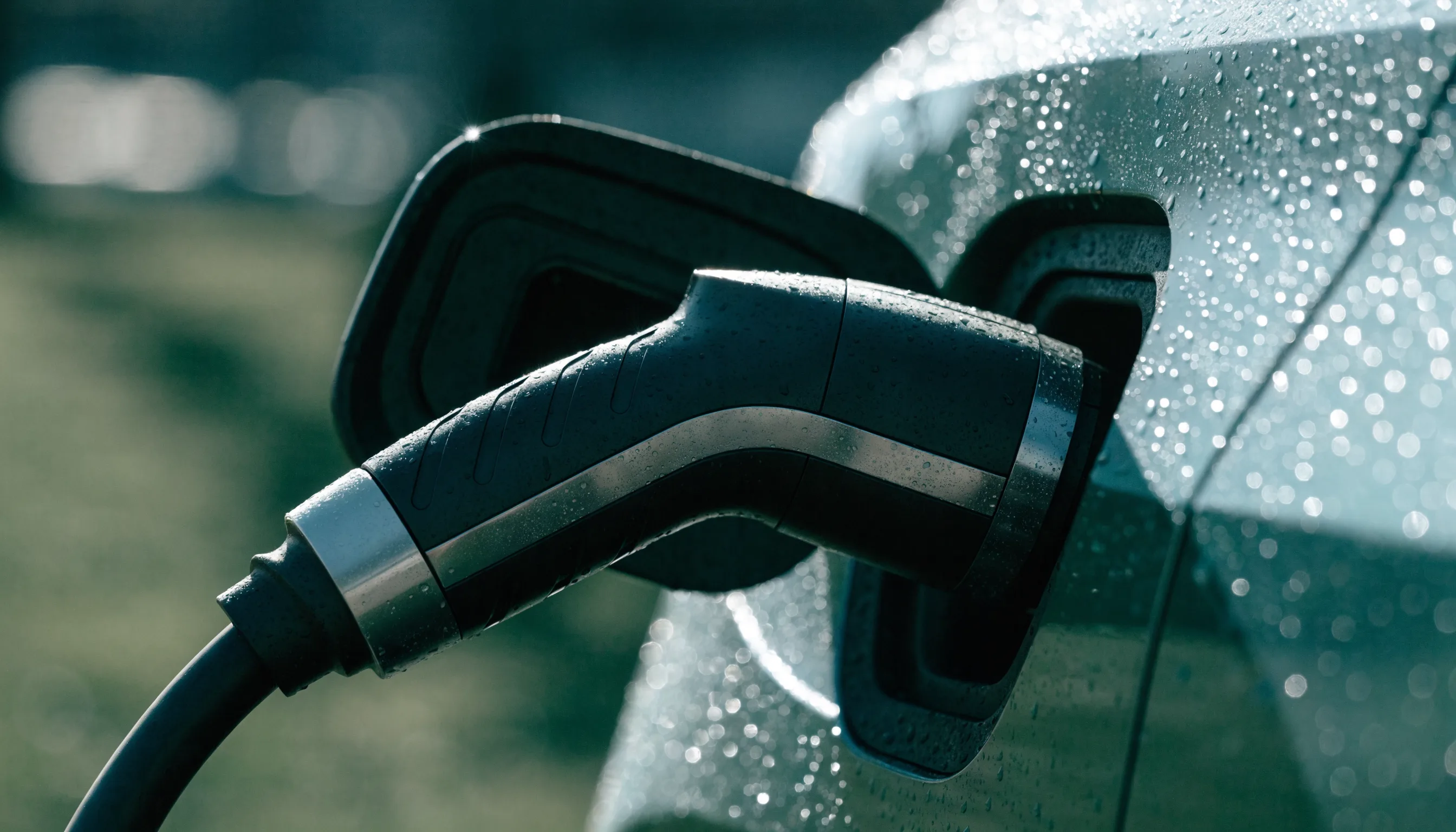
Why DC charging slows down near 80%
It is not a bug and it is not the charger. It is chemistry, and understanding it will save you real time on a long trip.
Plug into a 150 kW charger at 15% and you may well see 150 kW. Come back at 75% and the same charger is delivering 50 kW. Nothing has broken.
What is actually happening
A lithium-ion cell charges by moving lithium ions from one electrode to the other. When the destination electrode is mostly empty, they slot in easily and the cell accepts a lot of current. As it fills, there is less room, and pushing ions in faster than they can settle causes lithium to plate on the electrode surface — permanent, irreversible damage.
The battery management system prevents that by tapering the current as the pack fills. The taper is not a safety margin someone chose to be cautious; it is the physical limit of how fast the chemistry can absorb charge.
The charging curve
Every car has a distinctive shape:
- 10–50% — the fast part, at or near the car's peak rate
- 50–80% — a steady decline
- 80–100% — slow, and increasingly so
The 10–80% time is quoted precisely because it captures the useful part. A manufacturer claiming "350 kW charging" is quoting a peak that may hold for only a few minutes.
Never assume peak equals average. A car that peaks at 250 kW and one that peaks at 150 kW can have almost identical 10–80% times if the second holds its rate for longer. The area under the curve is what determines your wait.
Temperature matters as much as state of charge
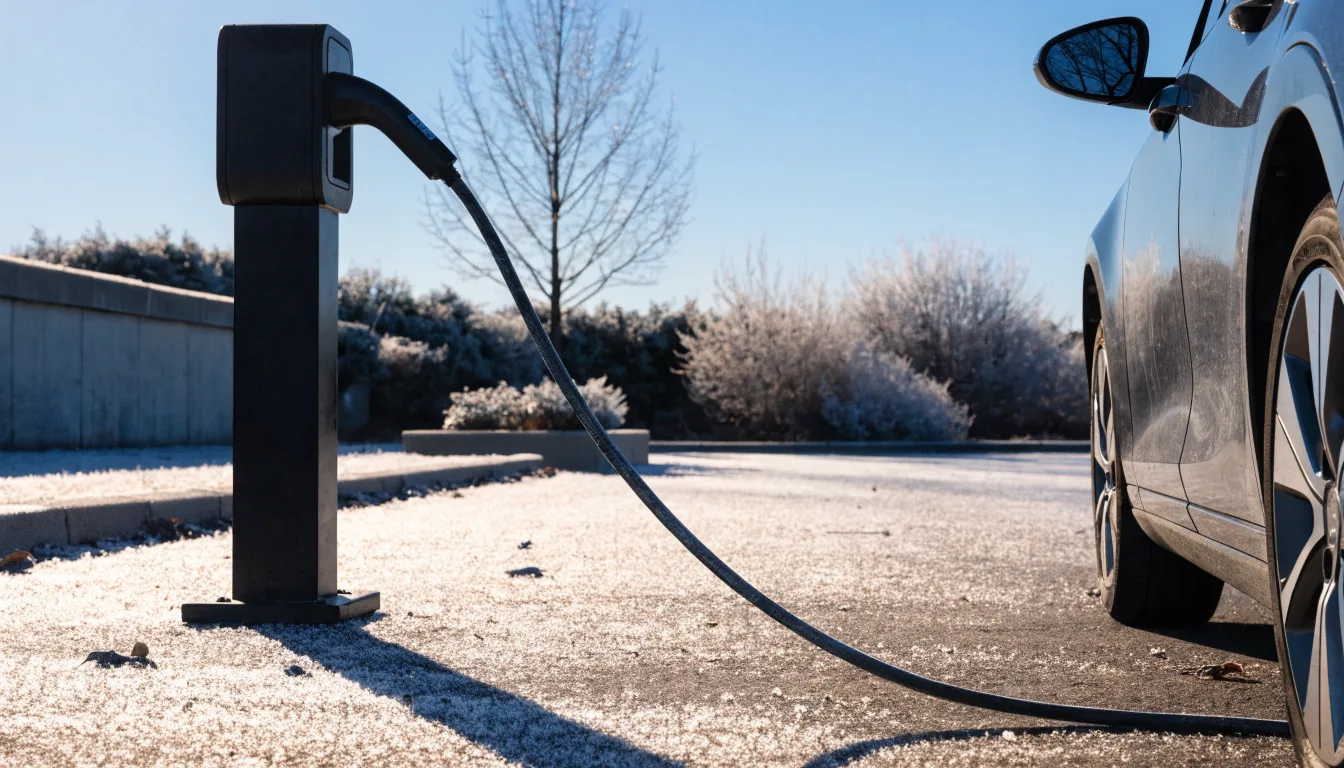
A cold pack accepts far less current regardless of how empty it is. Arrive at a rapid charger on a winter morning after a short drive and you may see a fraction of the advertised rate.
Cars with battery preconditioning warm the pack while you drive to a charger, usually triggered by navigating to one in the car's own system. It makes a substantial difference in winter — often the difference between a 25-minute and a 50-minute stop.
What to do with this
On a long trip, stop more often for less time. Two stops from 15% to 60% are usually faster overall than one from 15% to 90%, because you stay in the steep part of the curve.
Precondition if your car supports it, and use the car's navigation to the charger rather than your phone, or the car may not know to warm the pack.
Ignore 100% on rapids unless the next leg genuinely needs it.
Our charge time calculator shows the limiting factor for a given car and charger — whether you are constrained by the charger's output or the car's own acceptance rate.
In pictures


Common questions
Should I ever charge to 100% on a rapid?
Rarely. The last 20% can take as long as the previous 70, so unless the next charger is genuinely out of range, you will arrive sooner by stopping at 80% and driving on.
Why was my charge slow even at 30%?
Almost always battery temperature. A cold battery accepts far less current. Cars with preconditioning warm the pack en route when you navigate to a charger.
About the author
ElectraMile EditorialEditorial desk
The ElectraMile editorial team covers charging, running costs and EV ownership for readers in the UK and US.
Spotted something wrong? Tell us — we correct and date every change.
Figures shown for United Kingdom in GBP. Switch market in the header to see local pricing and terminology.