Solar panels and EV charging: what actually pairs well
Charging a car on your own generation is the cheapest electricity you will ever put in it. The catch is that cars mostly charge at night, and panels mostly work in the day.
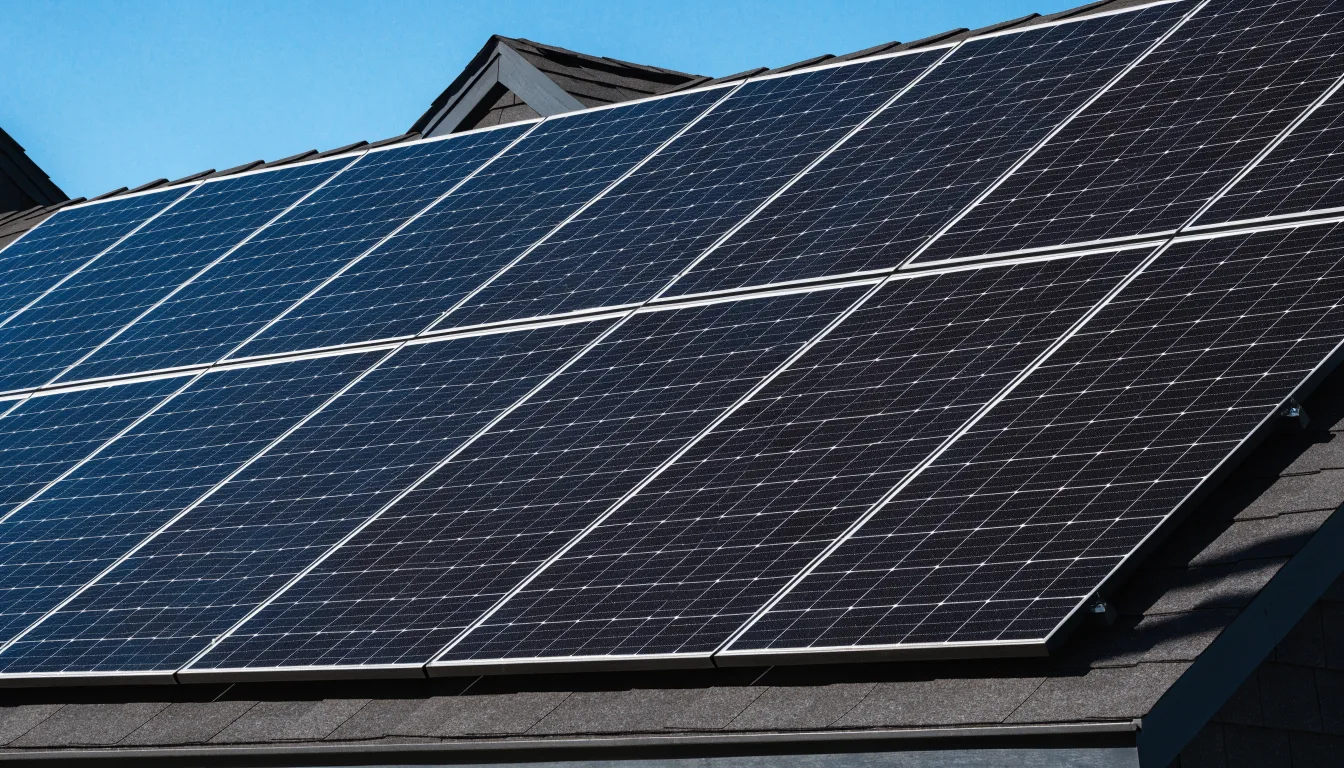
Electricity you generated yourself and would otherwise export is the cheapest energy that will ever go into your car. Pairing solar with EV charging is genuinely worth doing — it just needs the right hardware to work at all.
The timing problem
Panels generate during the day. Cars are usually plugged in at night, when they are home.
If you commute, the car is at work exactly when generation peaks. That mismatch is the whole design problem, and it has three answers:
Charge when you are home in daylight. Weekends, remote-working days, retirement. Simple and free.
Use solar diversion. A charger that watches your generation and adjusts its draw to match the surplus, so it uses what would otherwise be exported.
Use a home battery. Store the surplus, discharge it to the car later. More hardware, more cost, more flexibility.
Solar diversion, in practice
This is the feature that matters, and it works like this:
- The charger monitors what your home is generating and consuming
- It calculates the surplus — generation minus household use
- It charges the car at exactly that rate, ramping up and down as clouds pass
Most such chargers offer modes: pure surplus only, a hybrid that tops up from the grid to a minimum rate, and standard grid charging.
The pure-surplus caveat: EV charging has a minimum rate, typically around 1.4 kW. Below that, charging stops. On a dim day you may generate 800 W of surplus and add nothing at all.
Does it pay?
The honest answer depends on how much of your generation you currently export, and what you are paid for exporting it.
If your export rate is low, using that energy yourself is a large saving. If your export rate is generous, the gap narrows considerably — you are comparing self-use against a decent price for selling it.
Work out your own number rather than trusting a headline: our charging cost calculator will give you the cost of a charge at any unit price, including zero.
Buying advice
If solar matters to you, check for diversion before you buy the charger, not after. It is a hardware and firmware capability, not something that can be added later, and it is the main reason to pay more than the base price for a unit.
Also check that the diversion works with your inverter. Compatibility is not universal, and a charger that cannot see your generation cannot divert it.
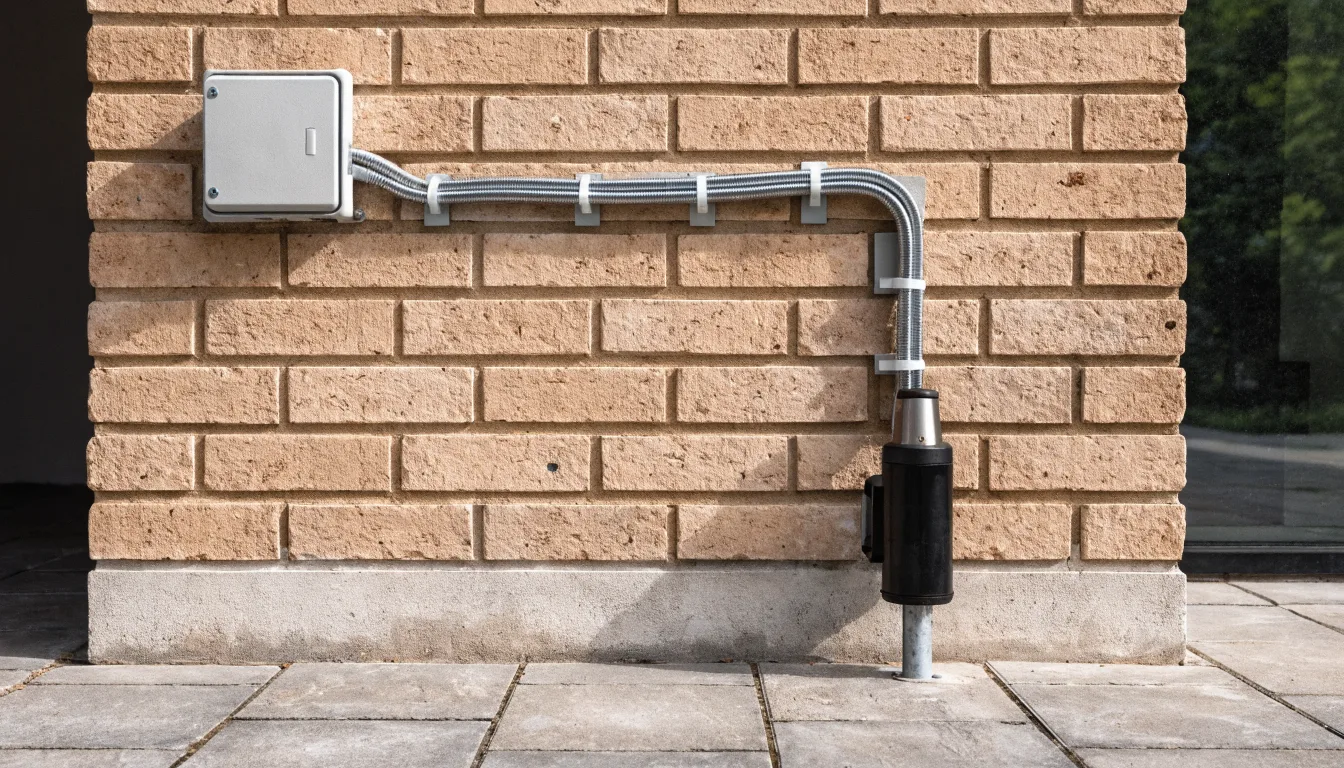
In pictures

Common questions
Do I need a battery as well?
Not necessarily. A car is already a very large battery. A home battery helps if you want to store surplus for evening household use rather than for driving.
Will a standard charger use my solar?
Not intelligently. Without solar diversion it draws whatever it needs from the supply, so surplus generation gets exported rather than used.
About the author
ElectraMile EditorialEditorial desk
The ElectraMile editorial team covers charging, running costs and EV ownership for readers in the UK and US.
Spotted something wrong? Tell us — we correct and date every change.
Figures shown for United Kingdom in GBP. Switch market in the header to see local pricing and terminology.