Tethered or untethered? The decision most people get backwards
It is not really about the cable. It is about who else will ever park on your drive, and how long you plan to keep the car.

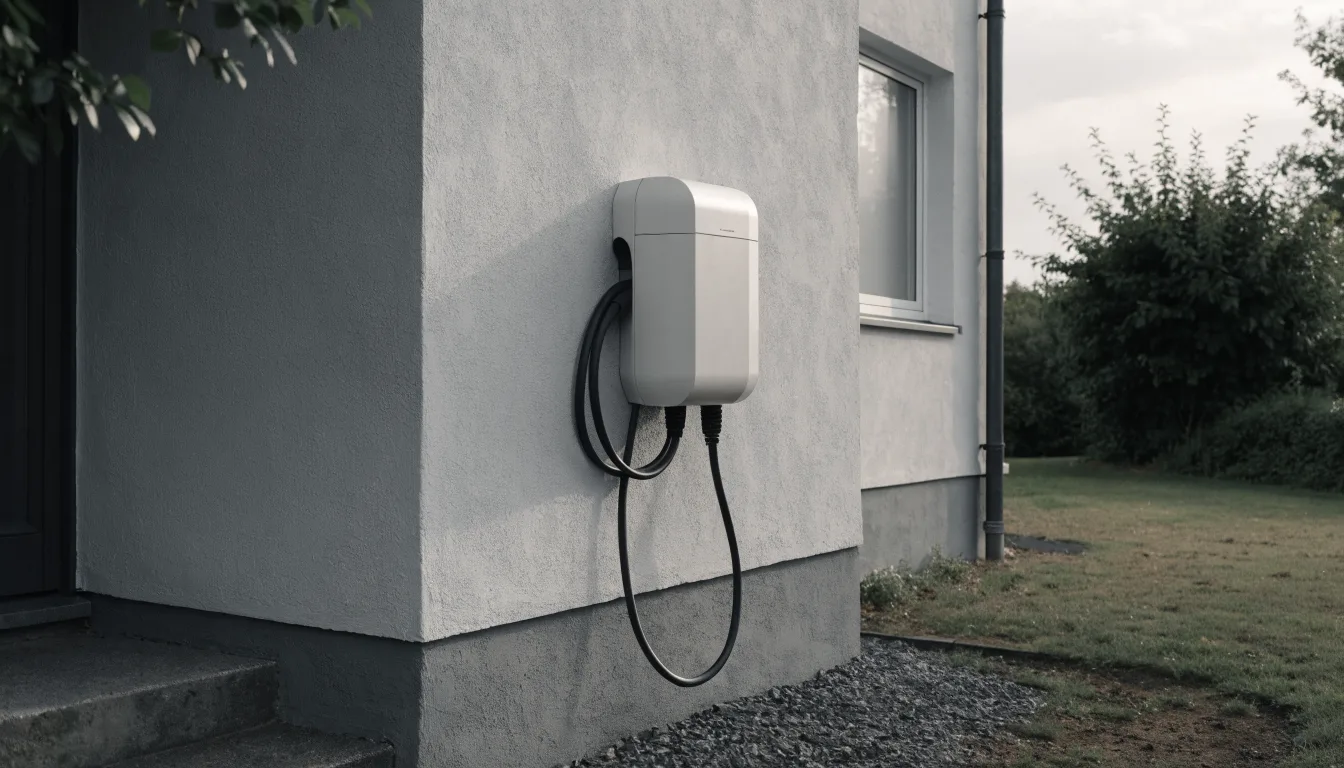
A tethered charger has the cable permanently attached. An untethered one is a socket — you supply the cable and plug it in at both ends.
Most advice frames this as convenience versus tidiness. That misses the decision that actually matters.
The real question
Will more than one type of car ever charge here?
Untethered handles anything. A visitor with a different connector, a future car with the port on the other side, a second household car — all fine, because the cable is a variable rather than a fixture.
Tethered handles exactly what its cable handles. That is fine for a single car in a single position, and genuinely nicer to use day to day.
The honest trade-offs
Tethered
- Faster in daily use — grab, plug, done
- No cable to store, no wet cable in the boot
- Fixed length and fixed connector type
- A damaged cable can mean replacing the unit
Untethered
- Works with any car and any cable length
- Tidier when not in use — nothing hanging on the wall
- Cheap to replace a damaged cable
- You handle a heavy cable every time, and store it somewhere
What actually decides it
Choose tethered if you have one EV, a settled parking position, and you value the daily convenience. Most single-car households are happier with it.
Choose untethered if you have two EVs with different connectors, you expect to change cars within a few years, guests will charge, or your parking position varies.
Cable length is the trap
The most common regret is not the tethered/untethered choice — it is a cable that is too short.
Measure from where the unit will actually be mounted to where the car's charge port will sit when parked, and add slack for parking imprecision. Ports vary wildly in position: front-left, rear-right, dead centre of the nose. A 5m cable that works for one car may not reach on the next.
If in doubt, go longer. A 7.5m cable is mildly more awkward to store and solves a problem that is otherwise expensive to fix.
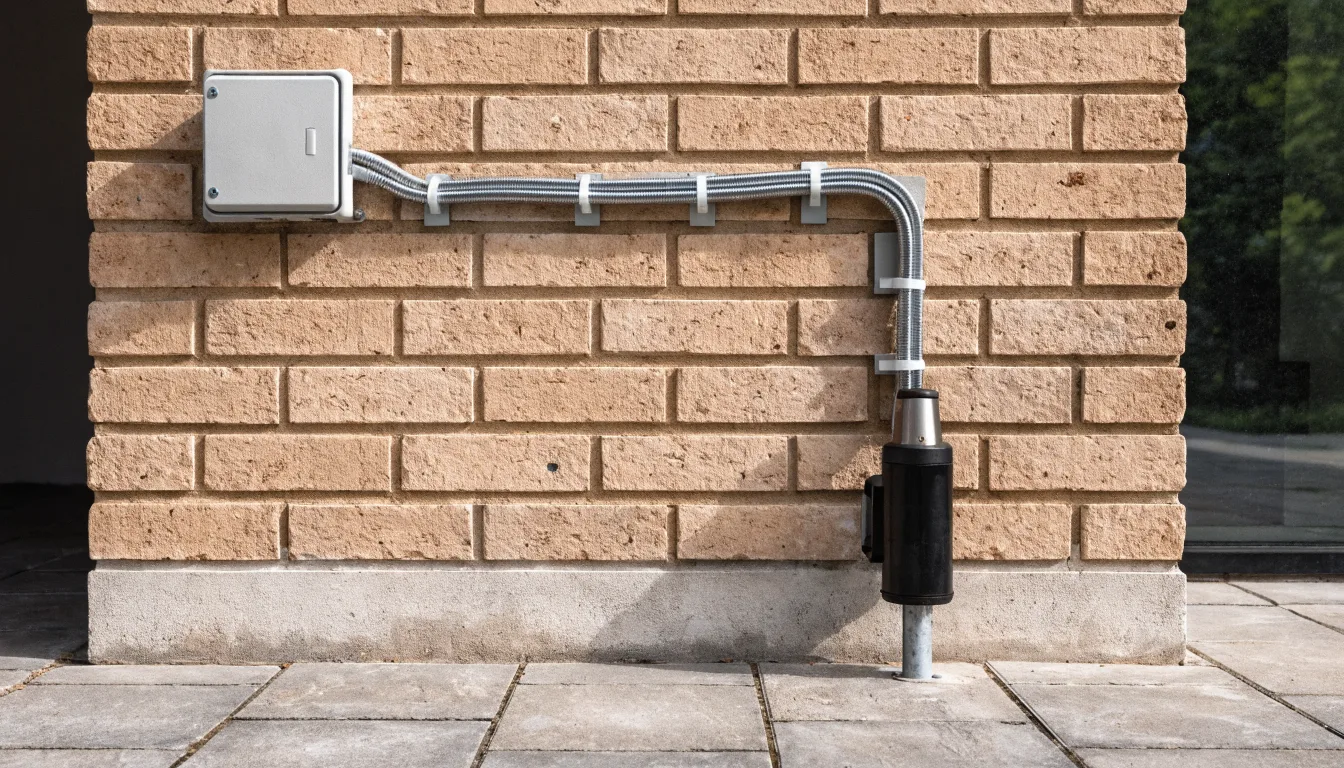
In pictures

Common questions
Can I convert one to the other later?
Not usually. Some manufacturers sell both variants of the same unit, but converting a fitted charger generally means replacing it.
Is a tethered cable long enough?
Standard tethered cables are around 5m, with 7.5m options. Measure from the proposed charger position to where the car's port will actually sit, not to where the car parks.
About the author
ElectraMile EditorialEditorial desk
The ElectraMile editorial team covers charging, running costs and EV ownership for readers in the UK and US.
Spotted something wrong? Tell us — we correct and date every change.
Figures shown for United Kingdom in GBP. Switch market in the header to see local pricing and terminology.