Why EV tyres wear faster, and what to do about it
Weight and instant torque are hard on tyres. The good news is that most of the extra wear is a driving-style problem, not a physics problem.
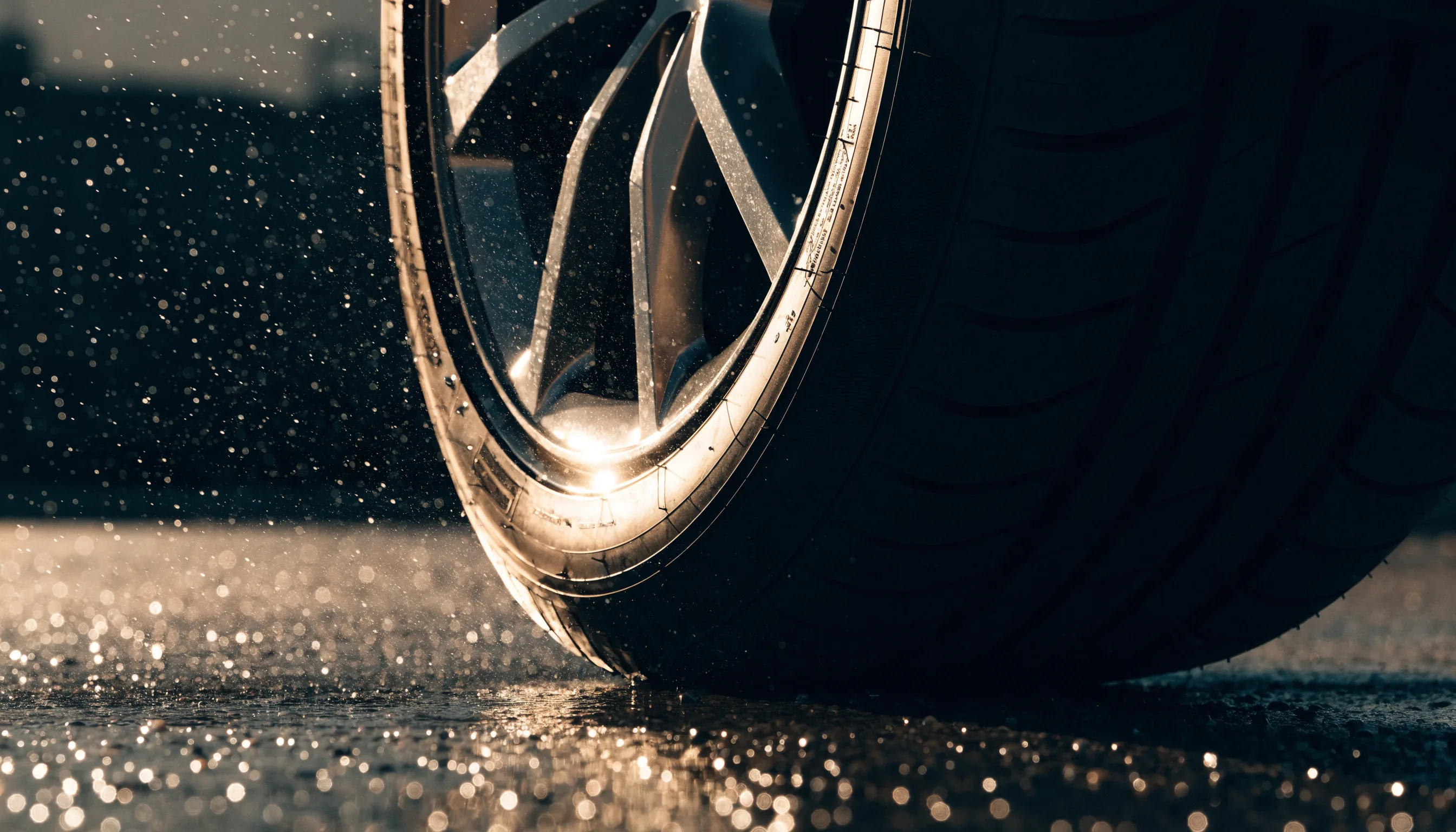
Electric cars go through tyres faster than equivalent combustion cars. Two reasons, and one of them is under your control.
Weight
Batteries are heavy. A mid-size EV commonly weighs 200–500 kg more than its petrol equivalent. That load passes through four contact patches roughly the size of your hand, and wear scales with it.
Nothing to be done here — it is inherent to the car.
Torque
This is the one people underestimate. An electric motor delivers maximum torque from a standstill, with no clutch slip or rev-building to soften it. Pull away briskly and you apply more force to the contact patch, more suddenly, than almost any combustion car of similar output.
Repeated across every set of traffic lights, it adds up quickly.
What actually helps
Ease off the first two seconds. Instant torque is the headline feature of an EV and also the main cause of the wear. Being gentle from a standstill costs almost nothing in journey time.
Use regenerative braking smoothly. Strong regen is easier on tyres than hard friction braking, but abrupt lift-off deceleration still scrubs. Smooth is the goal in both directions.
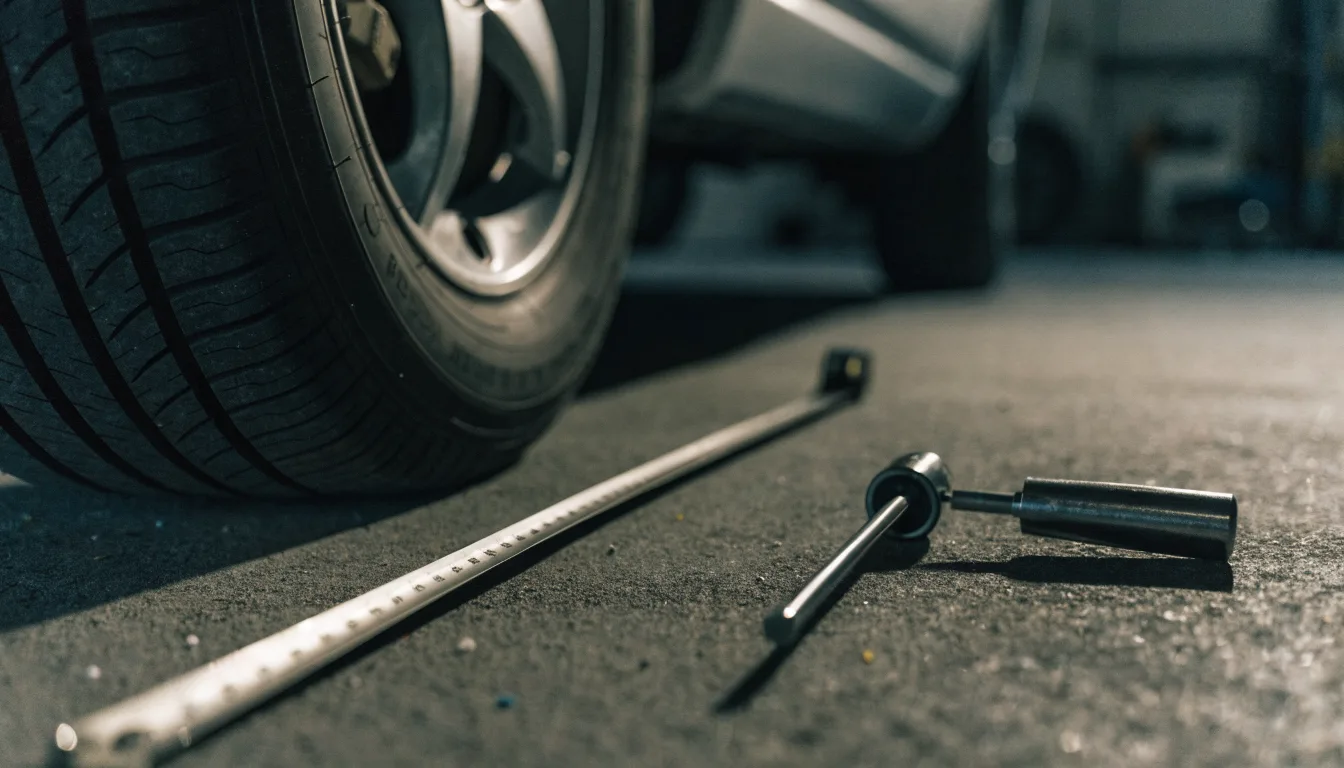
Keep pressures right. Under-inflation increases wear at the shoulders and costs range at the same time. Check monthly — EVs are heavy enough that a few PSI matters more than it would on a lighter car.
Rotate on schedule. Especially important on single-motor cars, where one axle does all the driving and wears markedly faster.
Buy EV-rated tyres. They carry higher load ratings, usually with reinforced sidewalls and compounds chosen for the load. They often cost more up front and less per mile.
What to expect
A driver who accelerates briskly on an unrotated set of standard tyres can get through a set startlingly fast. The same car driven with a little restraint on EV-rated tyres, rotated on schedule, can approach normal replacement intervals.
The gap between those two outcomes is mostly behaviour, which makes this one of the cheaper problems to fix.
In pictures
Common questions
Do I need EV-specific tyres?
Not strictly, but EV-rated tyres are built for the extra load and usually have lower rolling resistance and reduced noise. On a heavy EV they generally last longer and cost less per mile than a standard equivalent.
About the author
ElectraMile EditorialEditorial desk
The ElectraMile editorial team covers charging, running costs and EV ownership for readers in the UK and US.
Spotted something wrong? Tell us — we correct and date every change.
Figures shown for United Kingdom in GBP. Switch market in the header to see local pricing and terminology.