Do you need a granny cable?
DisclosureSome links on this page earn ElectraMile a commission. It never changes what we recommend.
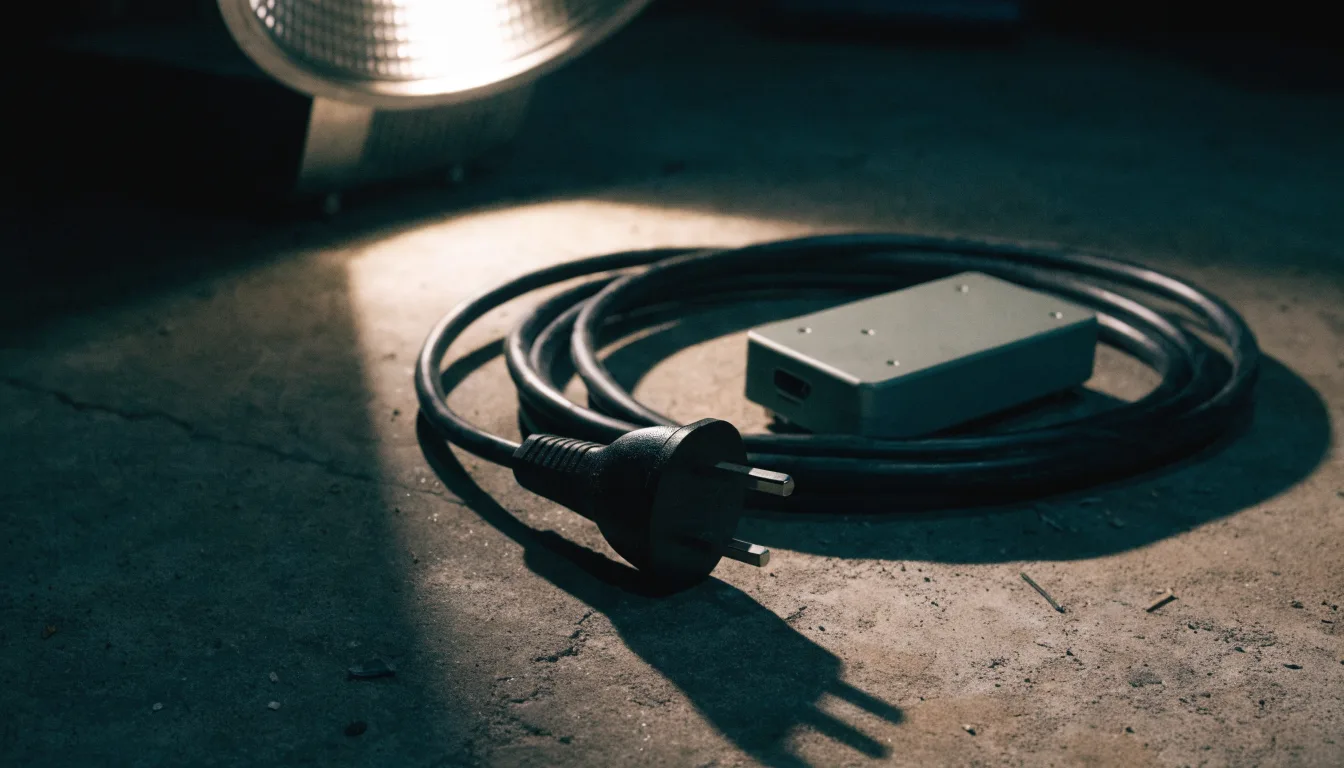
A granny cable plugs into a standard domestic socket. It is the slowest way to charge an electric car and, occasionally, exactly the right tool.
What it actually delivers
Around 2.3 kW, which at typical efficiency adds roughly 9 miles of range per hour.
Overnight, that is 70 to 100 miles. Enough to cover average daily driving — but a full charge from low takes well over a day.
When it earns its place
Staying with friends or family. No charger, but a socket and a driveway.
Holiday cottages and rural stops. Widely the only option.
Emergency top-up. Enough to reach a real charger.
Very low mileage. If you drive 20 miles a day and the car sits overnight, this genuinely covers it.
When it is the wrong tool
As your only home method with normal mileage. You will spend a lot of time not-quite-charged, and a proper wallbox is both faster and gentler on the wiring.
Any time you are in a hurry. Nine miles an hour does not respond to urgency.
The safety part
This is where a granny cable deserves respect rather than casual use.
Use a socket in good condition, on a sound circuit. Continuous high load over many hours is not what a general-purpose socket sees day to day.
Never use a coiled extension lead. Coiled cable under load builds heat, and this is the single most common cause of charging-related incidents. If an extension is unavoidable, it must be fully unwound and rated for continuous load.
Check the plug for warmth during the first session. Warm is expected; hot is a stop-immediately signal.
Do not run it through a doorway or window where the cable can be pinched.
If you will use one regularly, have the circuit checked by a qualified electrician. That is a genuinely cheap piece of insurance.
Buying one
Many cars include one. If not, buy a branded unit with visible certification and an adjustable current setting — being able to drop to a lower current is useful on older wiring.
For real home charging, a proper wallbox is the answer: what installation costs.
Some links on this page may earn ElectraMile a commission. See how we make money.
In pictures

Common questions
Is it safe to use one regularly?
For occasional use on a sound circuit, yes. As a nightly habit it draws near a standard socket's continuous rating for many hours, which is why a proper wallbox exists. If you will do it often, have the circuit checked.
Can I use an extension lead?
Manufacturers advise against it, and it is the most common cause of overheating incidents. If you must, it has to be a fully unwound, heavy-duty lead rated for continuous load.
About the author
ElectraMile EditorialEditorial desk
The ElectraMile editorial team covers charging, running costs and EV ownership for readers in the UK and US.
Spotted something wrong? Tell us — we correct and date every change.
Figures shown for United Kingdom in GBP. Switch market in the header to see local pricing and terminology.