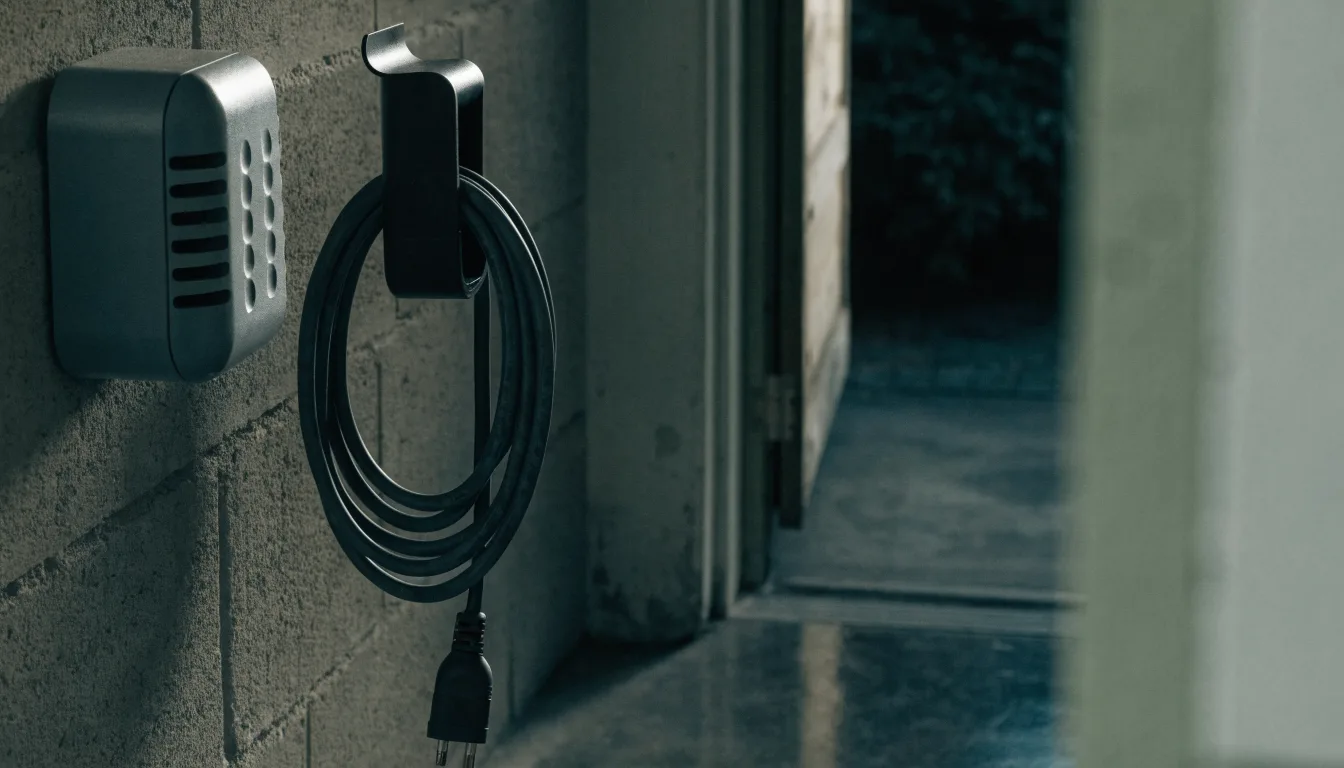
What does home charger installation actually cost?
The headline price is the unit. The quote is the unit plus the install, and the install is where the variance lives.
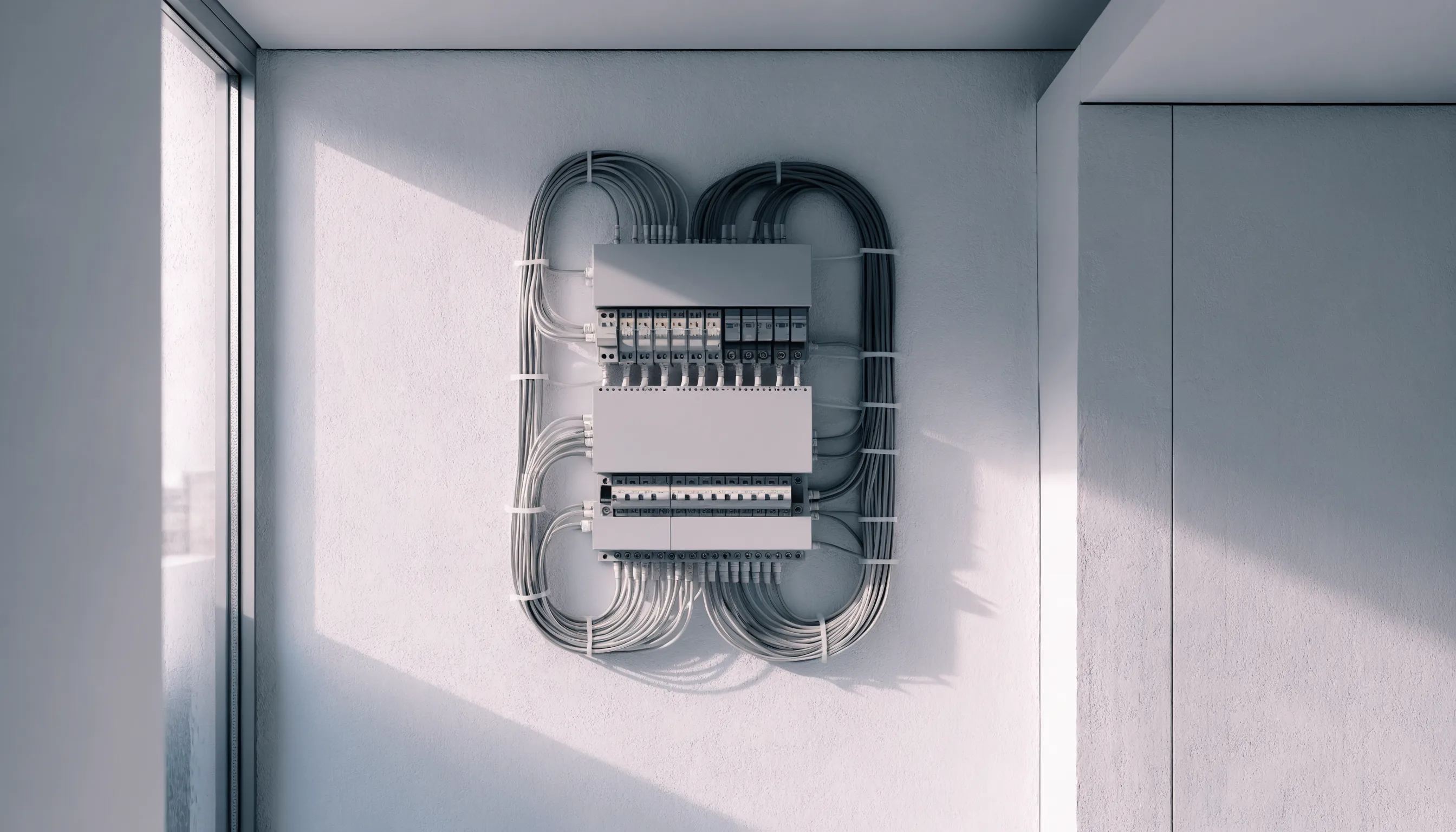
A home charger has two costs that get quoted as one: the hardware, and the work to fit it.
The unit
Most home chargers sit between £400 and £900 depending on smart features, tethering and brand. The expensive end buys better app software, solar integration and tariff hooks — not more power, because the supply caps that anyway.
The installation
This is where quotes diverge, and the drivers are boringly physical:
Cable run length. The single biggest factor. A charger three metres from the consumer unit is a straightforward job. Twenty-five metres around the outside of a house, through a wall and under a path, is not.
Consumer unit capacity. If there is no spare way, or the board is old, it may need work before anything else can happen.
Earthing arrangement. Some properties need additional protection. Modern chargers often include it, which is one reason the cheapest unit is not always the cheapest install.
Route obstacles. Crossing a driveway, going through a garage, or working at height all add labour.
What a realistic total looks like
For a straightforward job, £800 to £1,300 all in is typical. Difficult installs go higher, and it is not the installer being greedy — it is a longer day and more materials.
Getting a quote that means something
Ask for the quote to separate unit from labour from materials. If it is one number with no breakdown, you cannot compare it to anything.
Tell them, before they visit:
- Where the consumer unit is
- Where you want the charger
- Roughly how far apart those are
- Whether the route crosses anything
A remote quote based on wrong assumptions becomes a revised quote on the day.
What we will not tell you
We do not publish installation instructions. This is work for a qualified electrician, notified to the network operator, and the consequences of getting it wrong are severe. Our job is to help you understand the quote, not to help you avoid needing one.
Before you commit
Check whether a grant or scheme currently applies to you, and settle the tethered or untethered question before you buy — converting later usually means replacing the unit.
In pictures

Common questions
Why do quotes vary so much?
Cable run length, whether the consumer unit has a spare way, whether earthing needs upgrading, and whether the route crosses a driveway. A 3-metre run beside the meter is a different job from a 25-metre run around a house.
Do I need to tell anyone?
Your installer notifies the distribution network operator. A reputable one handles it as part of the job.
About the author
ElectraMile EditorialEditorial desk
The ElectraMile editorial team covers charging, running costs and EV ownership for readers in the UK and US.
Spotted something wrong? Tell us — we correct and date every change.
Figures shown for United Kingdom in GBP. Switch market in the header to see local pricing and terminology.