7 kW vs 22 kW home charging: which do you actually need?
22 kW sounds like three times better. For almost every UK home it is three times nothing, because the supply and the car both cap you long before the charger does.
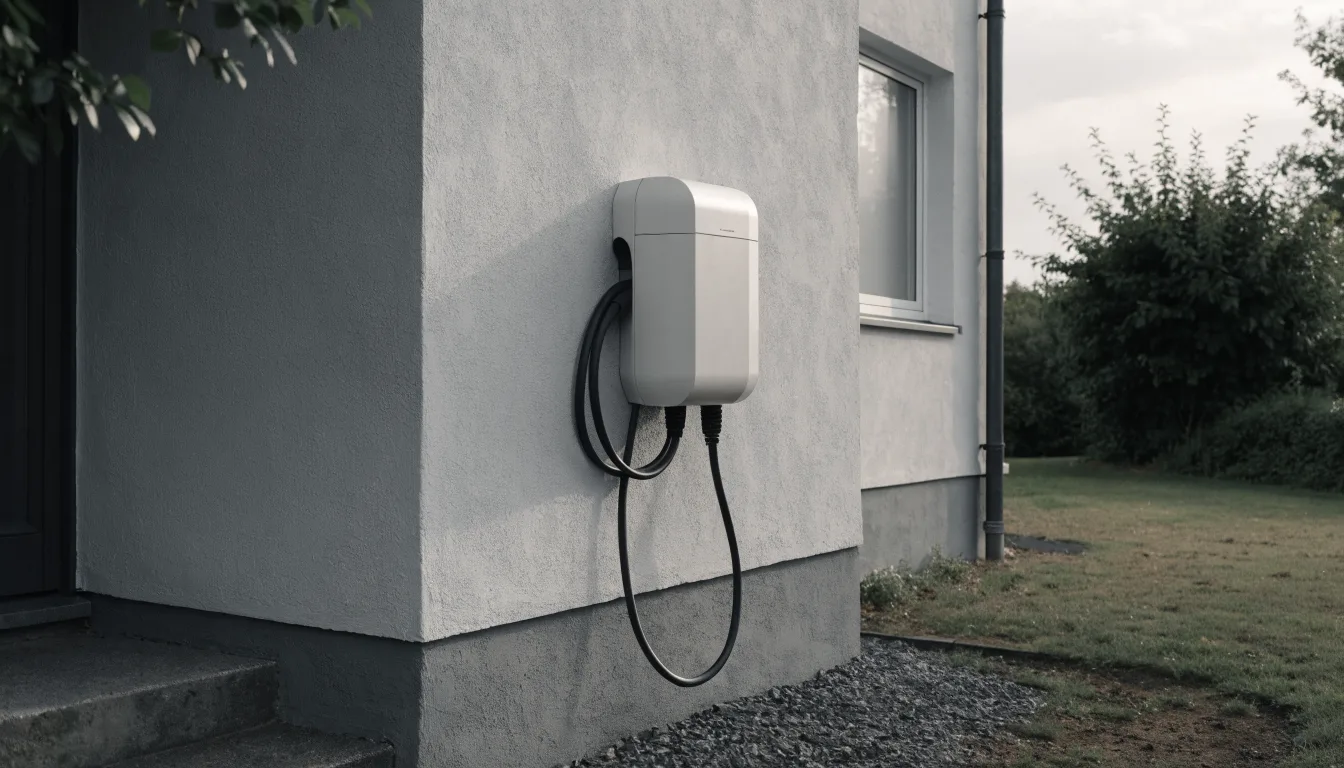
The 22 kW home charger is the most common upsell in EV ownership, and for most UK households it delivers exactly nothing.
Why 7.4 kW is the real ceiling
Almost every UK home has a single-phase electricity supply. Single-phase at 32 A works out to roughly 7.4 kW, and no charger on the wall can exceed what the supply delivers.
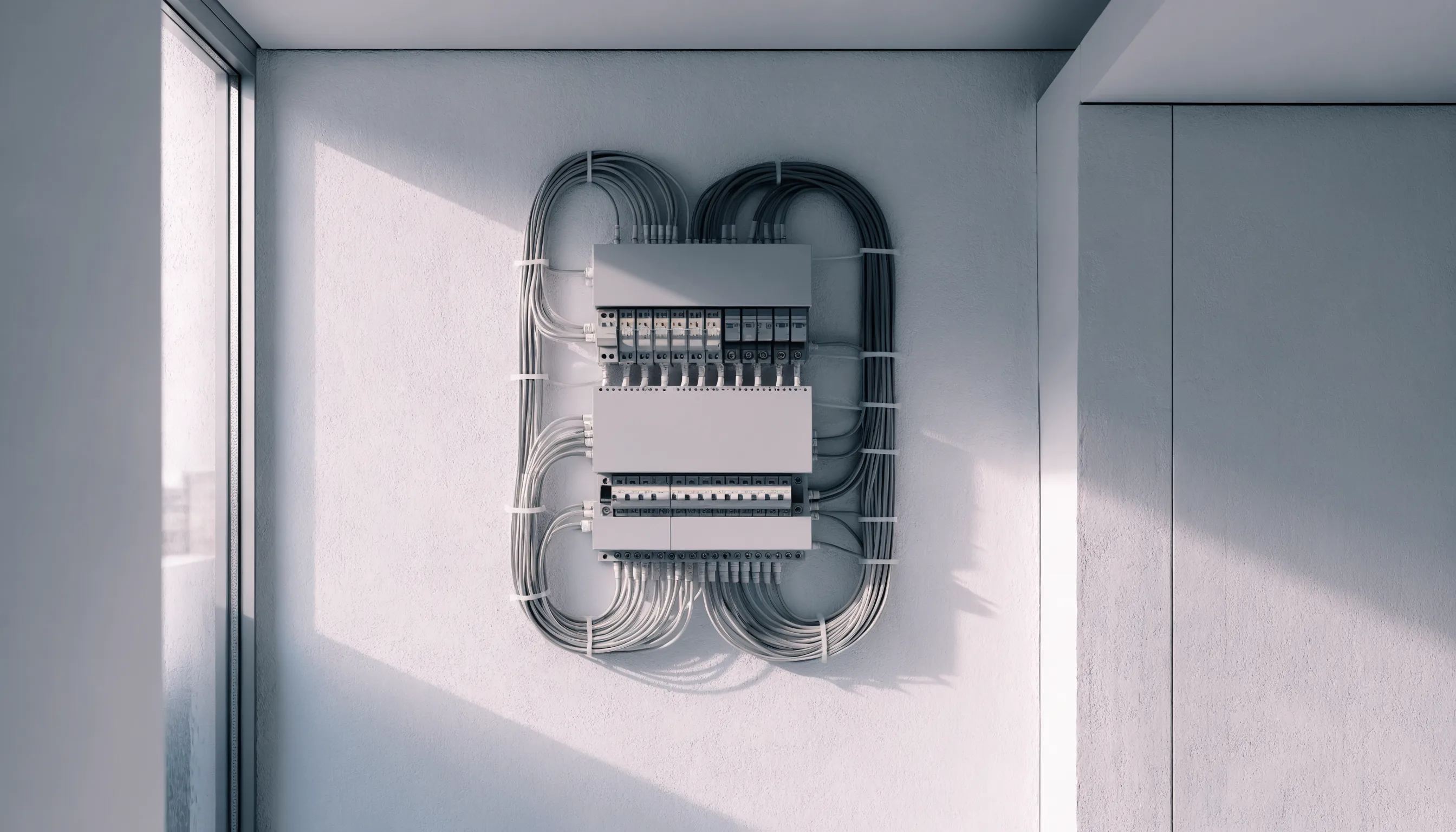
22 kW requires three-phase, which most homes do not have. Getting it installed is a distribution network operator job, frequently costs thousands, and can require street works.
Even with three-phase, the car may cap you
The second limit is the car's onboard AC charger. Many EVs accept 7.4 kW on AC. A good number accept 11 kW. Relatively few accept 22 kW.
So the sequence is: supply, then car, then charger. The charger is almost never the binding constraint at home — see what kW actually means for why the lowest limit always wins.
What 7.4 kW actually gets you
Eight hours overnight at 7.4 kW is about 56 kWh. At 4 miles per kWh that is roughly 220 miles added while you sleep.
The average UK car does around 20 miles a day. You are refilling a week of driving every single night.
When 22 kW is genuinely worth it
- You already have three-phase, and your car accepts more than 7.4 kW
- You run a business vehicle that needs a fast midday top-up
- Two EVs share one charger and both need substantial charge daily
Outside those, the money is better spent on a longer cable or a unit with better tariff integration.
What to do instead
Put the budget into things that actually reduce your bill:
- An off-peak tariff — see the £7 fill-up
- A charger that schedules reliably into that window
- A cable long enough to reach, whatever you park
Our charge time calculator will show you which limit is binding for your specific car and supply.
In pictures

Common questions
Can I upgrade my home to three-phase?
Sometimes, but it is a network operator job and usually costs thousands. For overnight home charging it solves a problem that mostly does not exist.
Does my car even accept 22 kW?
Many do not. A great many EVs cap AC charging at 7.4 kW or 11 kW, so a 22 kW charger would deliver no more than a 7.4 kW one.
About the author
ElectraMile EditorialEditorial desk
The ElectraMile editorial team covers charging, running costs and EV ownership for readers in the UK and US.
Spotted something wrong? Tell us — we correct and date every change.
Figures shown for United Kingdom in GBP. Switch market in the header to see local pricing and terminology.