
News3 min · 13 Aug
Ultra-rapid charging sites keep getting bigger
Multi-bay hubs are replacing single units at motorway sites. Bay count matters more to you than headline power.
The ElectraMile editorial team covers charging, running costs and EV ownership for readers in the UK and US.
ElectraMile's editorial desk researches and maintains the guides, calculators and data on this site.
We work from primary sources wherever they exist — government schemes, manufacturer specifications and operator pricing pages — and we say when a figure is an estimate rather than a measurement. Pages carry a review date because prices, tariffs and incentives change.
Multi-bay hubs are replacing single units at motorway sites. Bay count matters more to you than headline power.

Rapid rates continue to move with wholesale energy. The spread between the cheapest and dearest network is wider than most drivers assume.

Standard-rate home charging shifts slightly. Dedicated off-peak EV tariffs sit outside the cap and are unaffected.

Sometimes yes, sometimes genuinely not. It depends almost entirely on your mileage and what charging you can reach.

An off-peak tariff turns a full charge into about £6 of electricity. The same charge on a motorway rapid costs nearly ten times that. Almost nothing about the car changes the answer.

Connector numbers keep climbing, but the useful figure is rapid connectors per site, not the national total.

The sub-£30k bracket finally has real choice. Which of these hold up once you look past the headline range figure.
Battery evidence is the differentiator. Two identical cars sell for different money when only one can prove its pack is healthy.

In our winter testing it was the single strongest predictor of how much range a car kept. If you drive through cold winters, treat it as a specification, not an option.

They look like a penalty and they are, but the thing they penalise is genuinely antisocial. They are also completely avoidable.
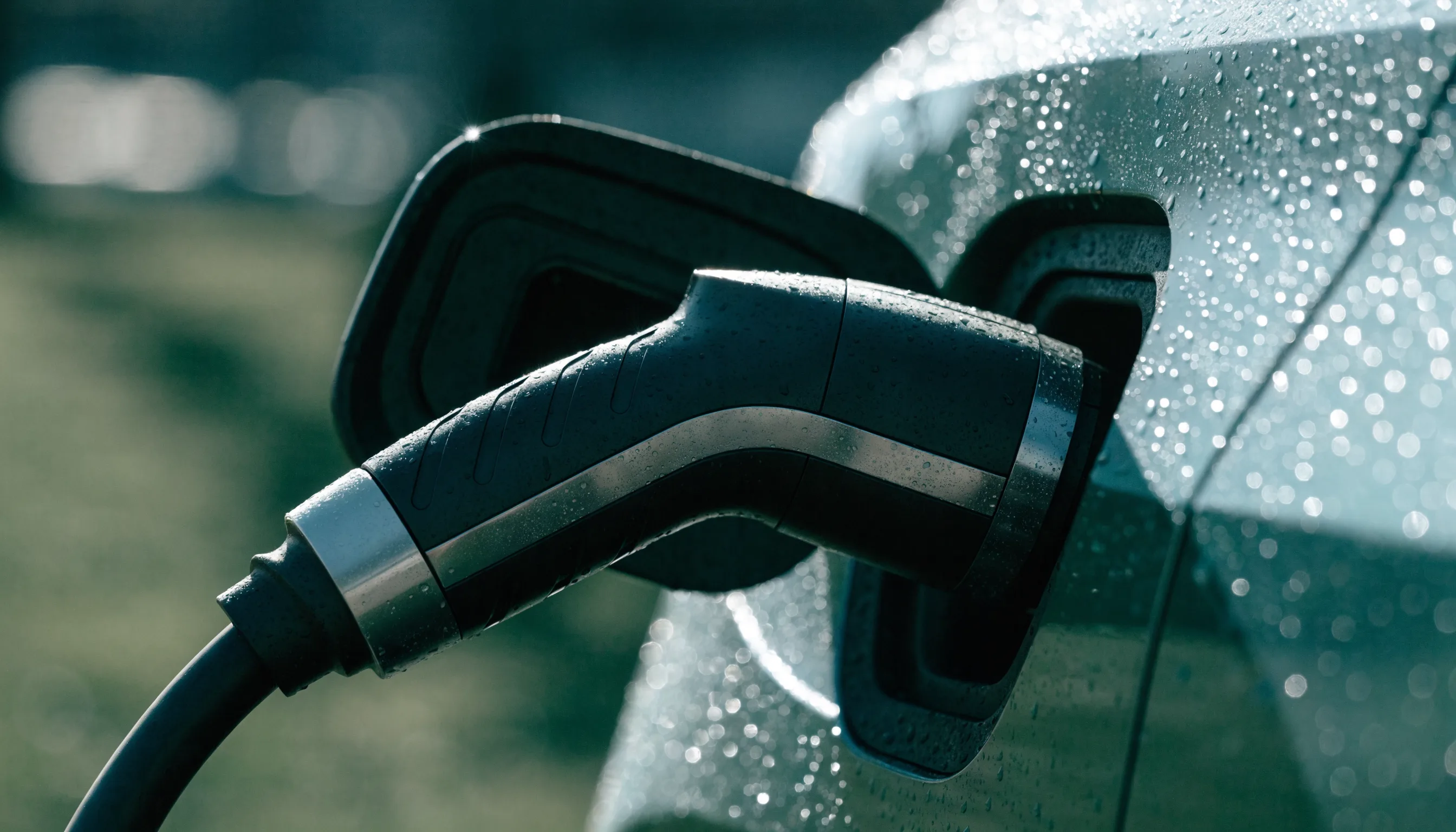
Three connectors, two continents and a standards migration in progress. What fits your car, and the adapters worth owning.
The cheap overnight rate is funded by a higher daytime one. Whether you win depends on your whole household, not just the car.


Roughly a third of UK households have no off-street parking. Lamp-post charging, kerbside gullies and the workplace option most drivers overlook.

Boot space and rear-seat width matter more than range. So does whether three child seats actually fit, which no brochure will tell you.

Not deal-breakers, but they are real, and they rarely appear in the comparison that persuaded you.
Higher repair costs and a smaller approved repairer network, mostly. Some of it you can influence, some you cannot.

Almost always, and usually by a factor of three to ten. Here is the arithmetic, and the situations where it does not hold.

Cold weather does not raise the price of electricity. It raises how much of it you need per mile.

Steep depreciation is the whole argument. It makes leasing safer and buying used far better value than it used to be.
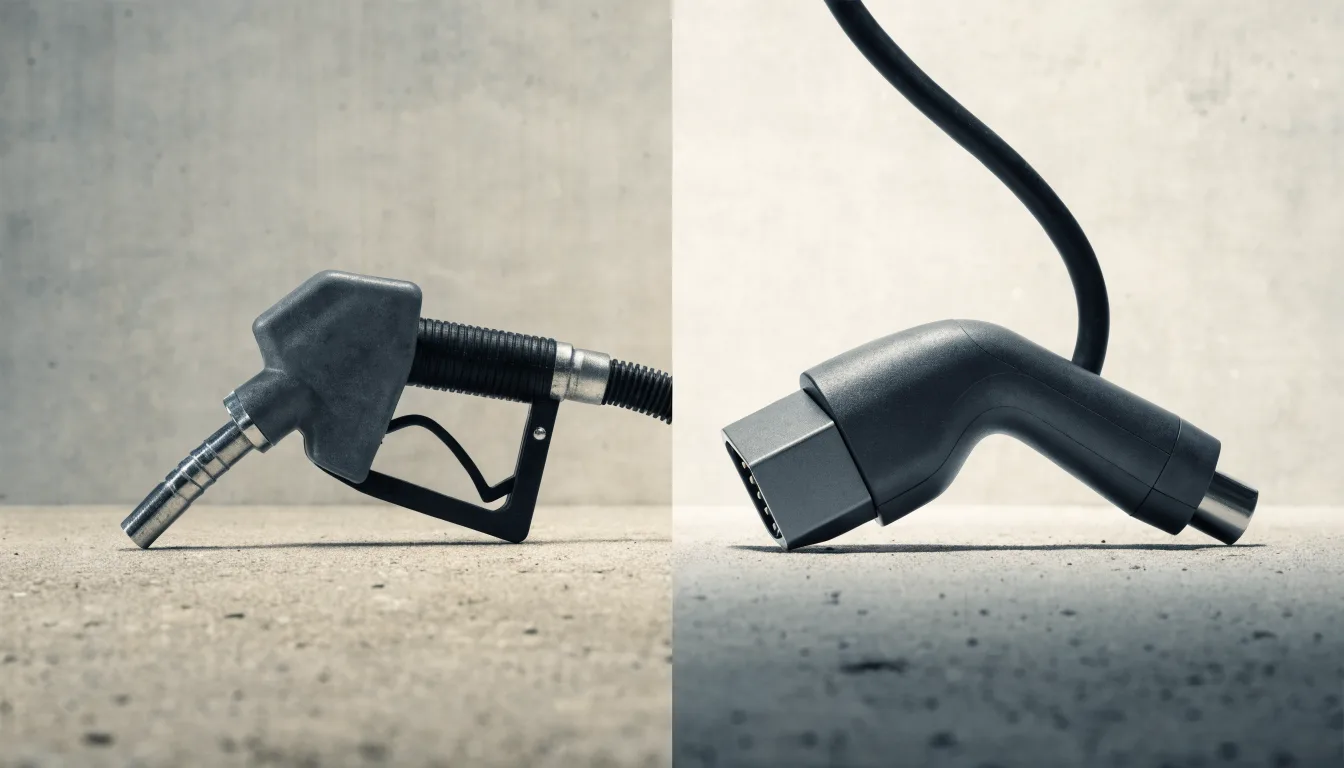
Fuel is where the gap is largest and clearest. Servicing helps the EV, insurance and depreciation can go the other way.

The number on the dash is a prediction based on how you have been driving. Change the conditions and the prediction changes with you.


Two cars, one supply. Load balancing is the feature that makes it possible without an expensive upgrade.