The £7 fill-up, and why most drivers never get it
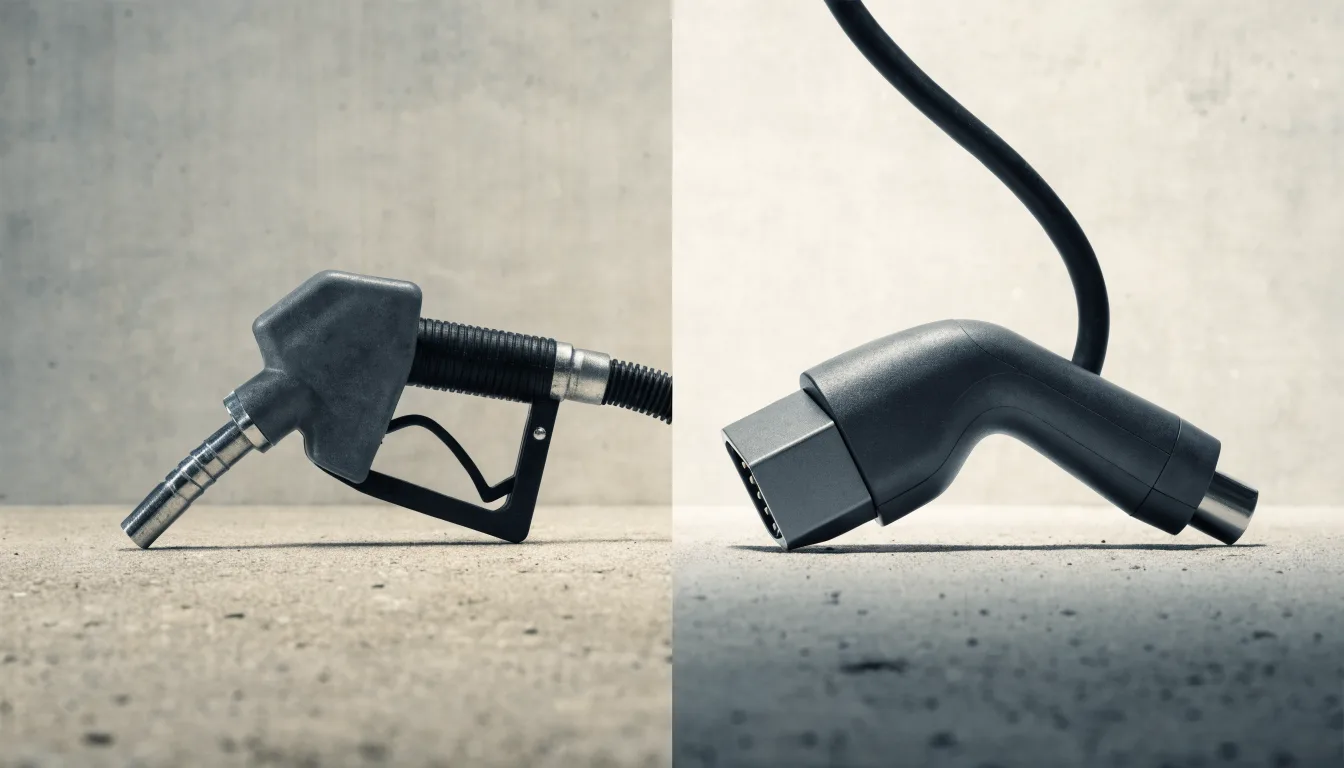
An off-peak tariff turns a full charge into about £6 of electricity. The same charge on a motorway rapid costs nearly ten times that. Almost nothing about the car changes the answer.
What an EV costs to run, and what help is available.
The gap between the cheapest and most expensive way to charge the same car is enormous — often five- or six-fold for identical electricity. Most of that gap is decided by choices you make once and then forget about.
We cover running costs honestly: what a charge really costs on each tariff, how EV and petrol compare over a year at your mileage, and which grants and credits still exist. Incentive pages carry an explicit status and review date, because nothing goes stale faster than a scheme that quietly closed.

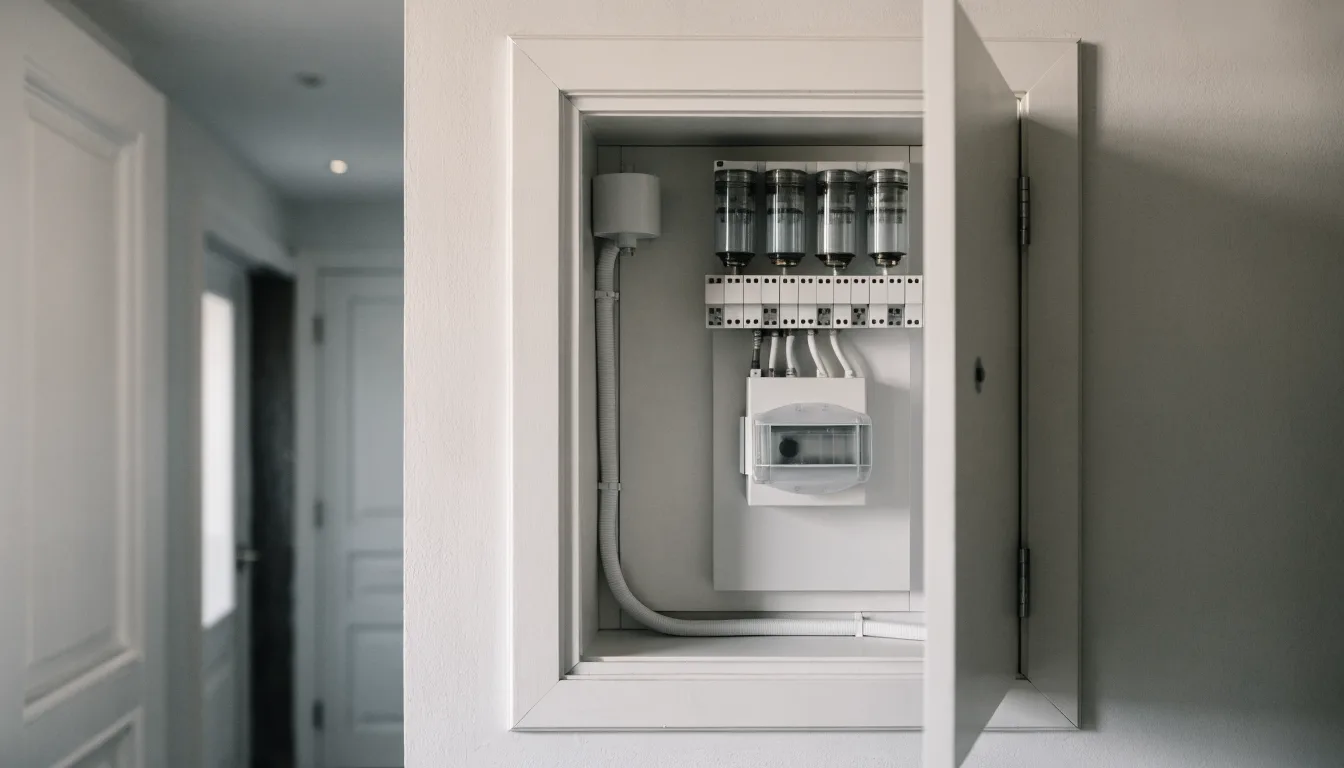
An off-peak tariff turns a full charge into about £6 of electricity. The same charge on a motorway rapid costs nearly ten times that. Almost nothing about the car changes the answer.

The cheap overnight rate is funded by a higher daytime one. Whether you win depends on your whole household, not just the car.

Not deal-breakers, but they are real, and they rarely appear in the comparison that persuaded you.

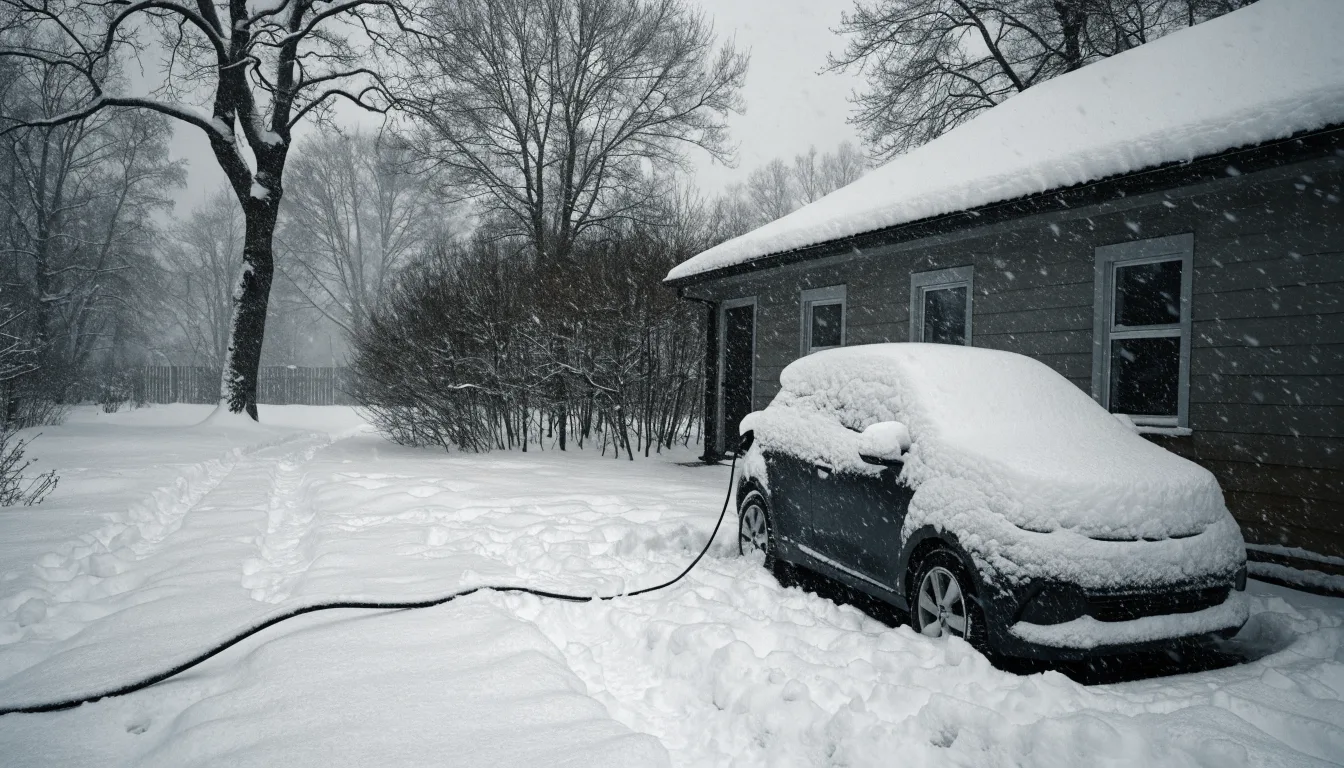
Cold weather does not raise the price of electricity. It raises how much of it you need per mile.

Almost always, and usually by a factor of three to ten. Here is the arithmetic, and the situations where it does not hold.

Fuel is where the gap is largest and clearest. Servicing helps the EV, insurance and depreciation can go the other way.

Benefit-in-kind rates for electric cars remain far below combustion equivalents. For a company car driver it is usually the largest single saving available.
Charging changes, useful tools, new cars and money-saving ownership advice. Unsubscribe in one click.