Ownership6 min · 4 Aug
Selling an EV: what actually protects the price
Battery evidence is the differentiator. Two identical cars sell for different money when only one can prove its pack is healthy.
Battery health, servicing, tyres, winter and resale.
Electric cars need less maintenance than combustion cars, but not none, and the things that do matter are different — tyres wear faster, battery health drives resale value, and winter changes the numbers more than most people expect.
This is the long-term ownership material: what degrades, what does not, what to check on a used car and how to keep range where it should be.
Battery evidence is the differentiator. Two identical cars sell for different money when only one can prove its pack is healthy.
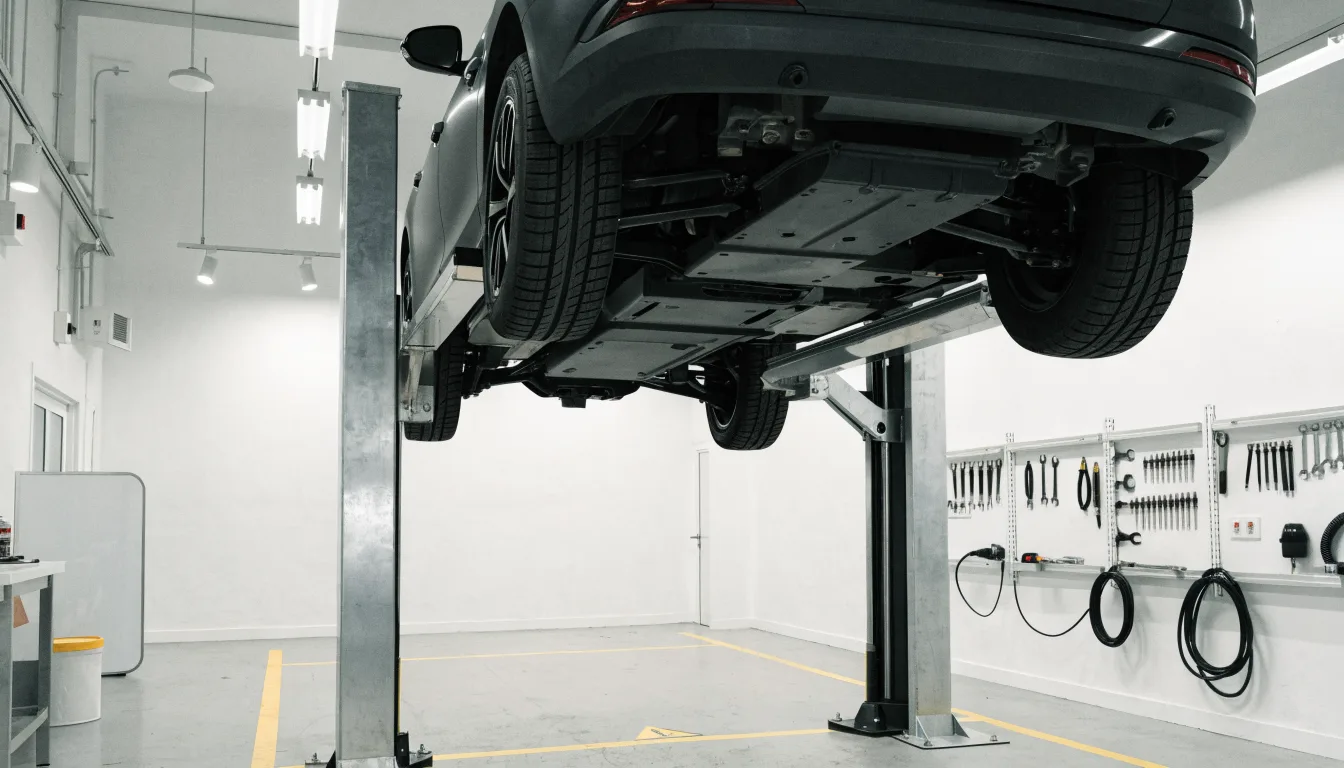
Higher repair costs and a smaller approved repairer network, mostly. Some of it you can influence, some you cannot.
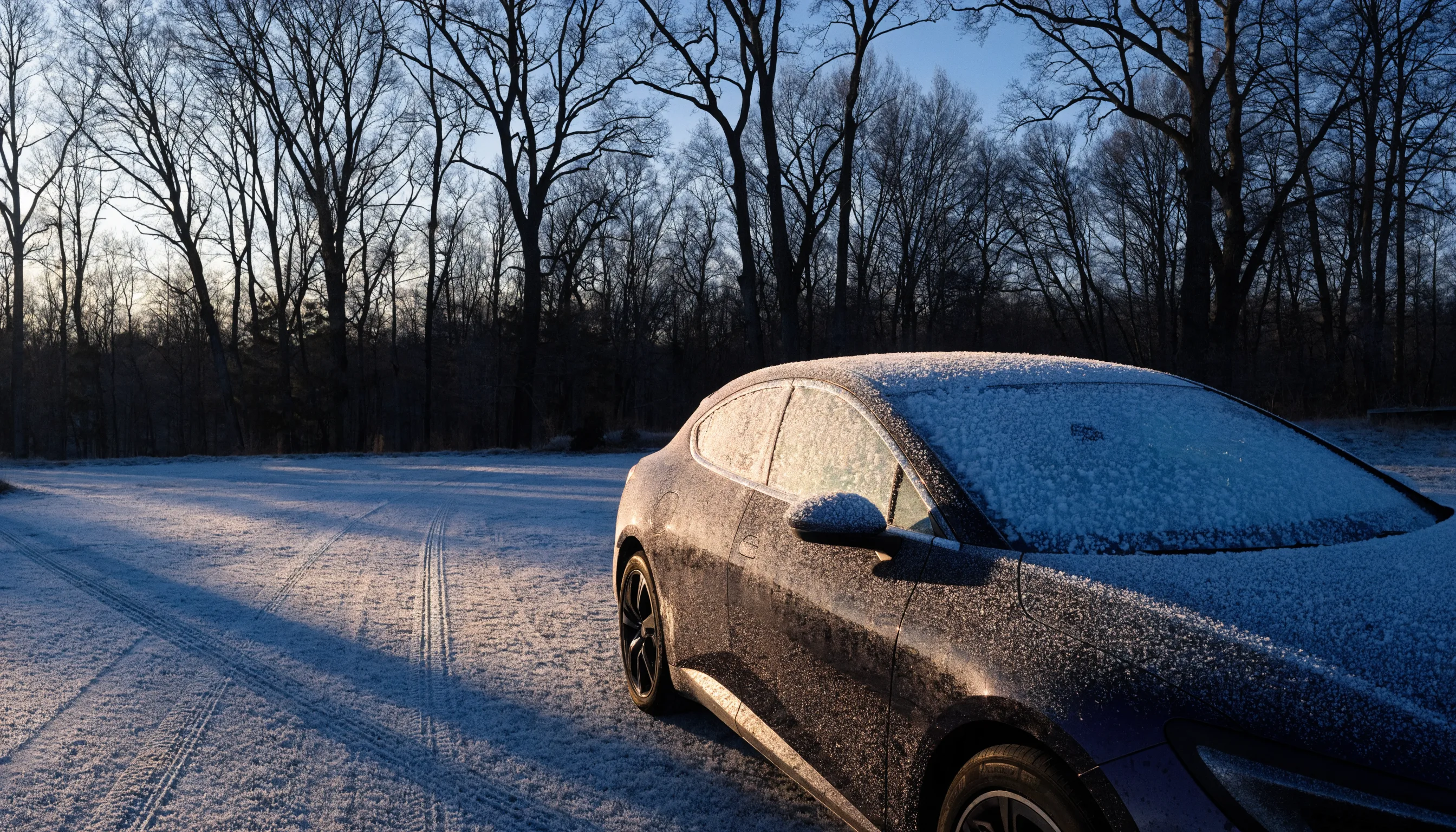
Every car lost range below 5°C. The spread between best and worst was 31 percentage points, and a heat pump explained most of it.
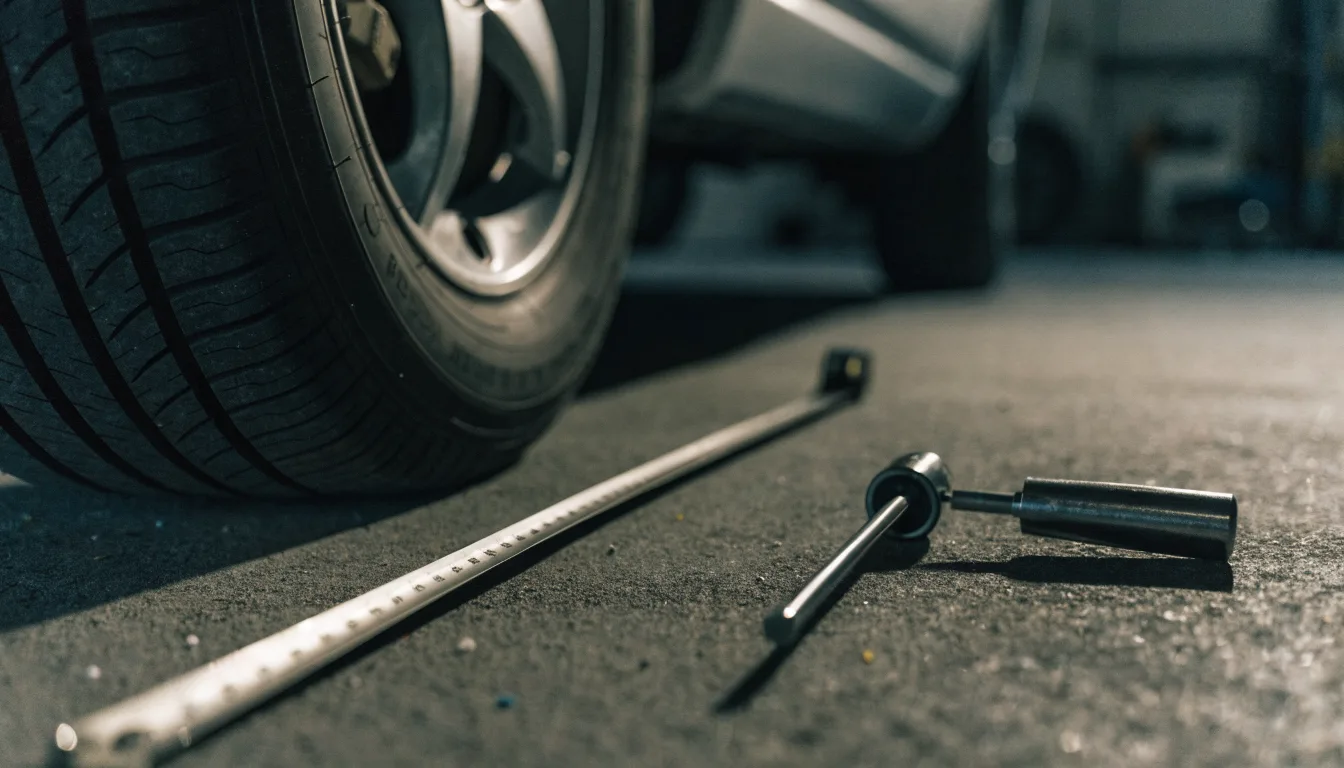
Far less than a combustion car, but not nothing — and the items that remain are different ones.
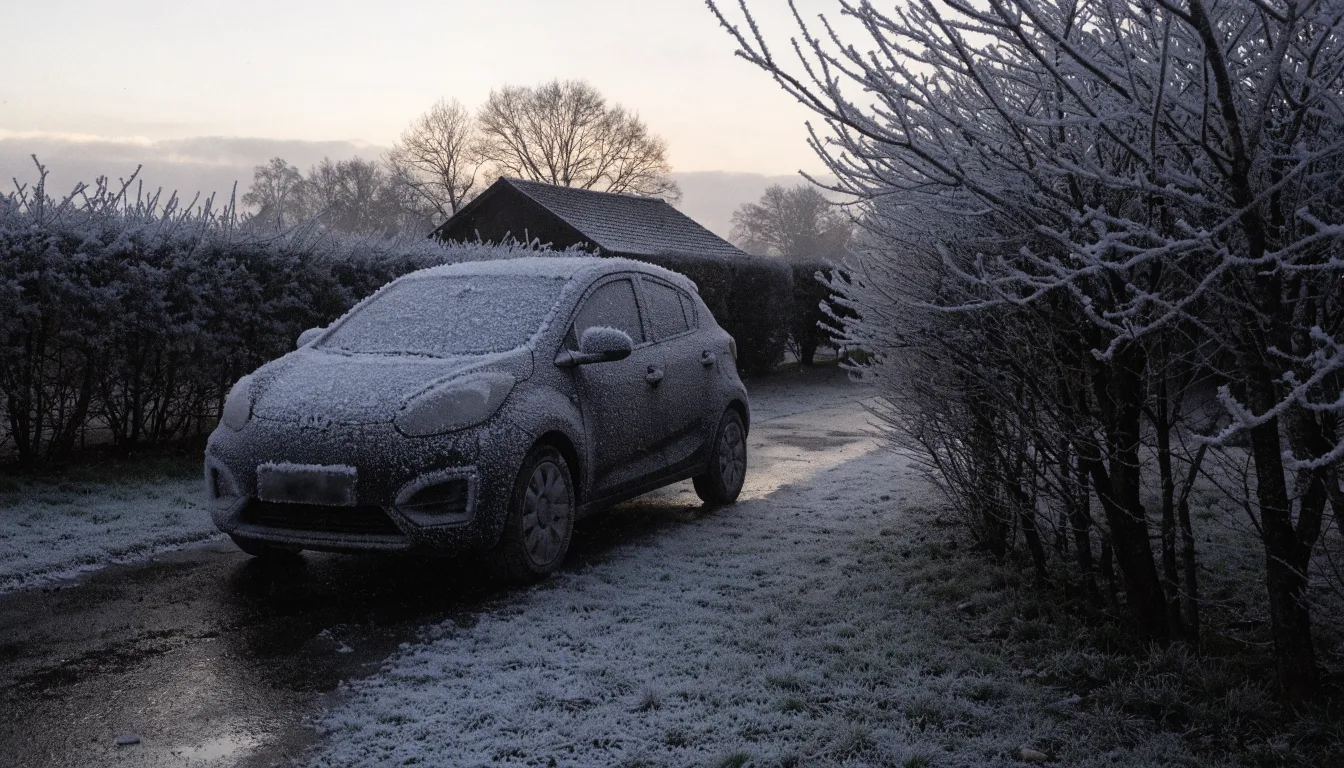
Cold costs range, slows charging and stiffens everything. All three are manageable with habits rather than hardware.
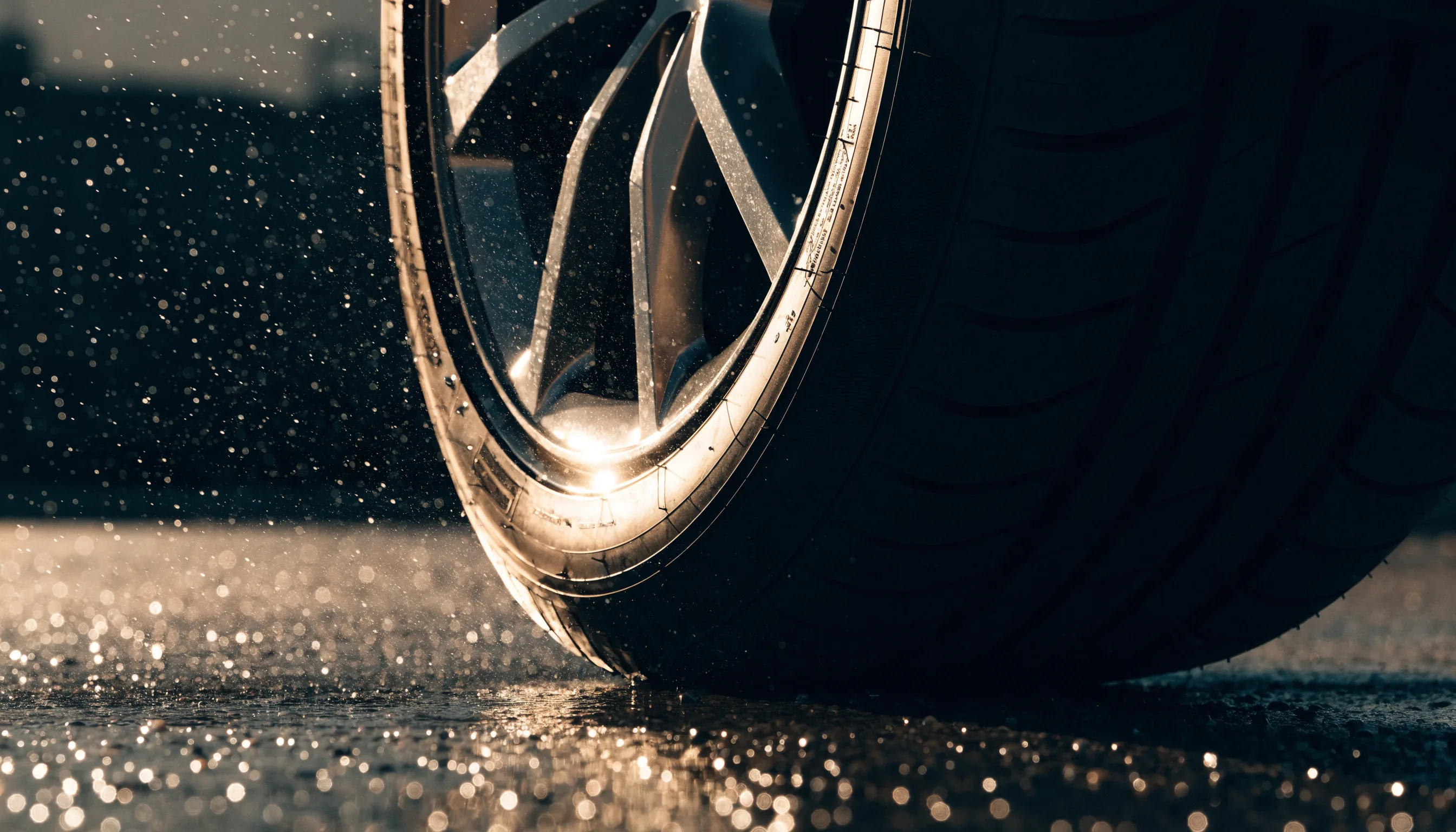
Weight and instant torque are hard on tyres. The good news is that most of the extra wear is a driving-style problem, not a physics problem.
Four habits cover almost all of it, and none of them are onerous. Most advice beyond these is noise.
Charging changes, useful tools, new cars and money-saving ownership advice. Unsubscribe in one click.