Cars7 min · 8 Aug
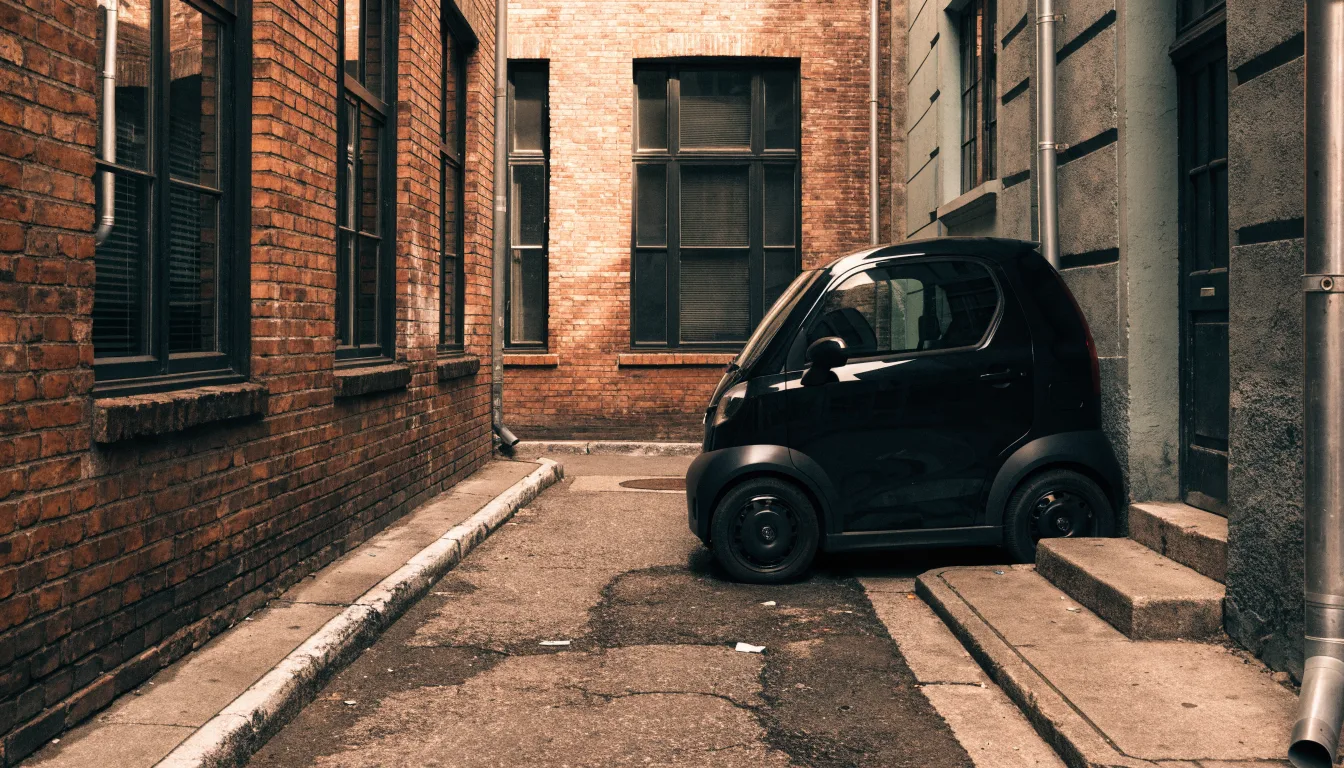
Buying an EV without a driveway: is it worth it?
Sometimes yes, sometimes genuinely not. It depends almost entirely on your mileage and what charging you can reach.
Which electric car fits your life, budget and driveway.
There is no best electric car, only the best one for a particular set of constraints — budget, range you genuinely need, where you can charge and what you tow or carry.
Our buying guides start from those constraints rather than from a ranking. Where we say one car beats another we say on which measure, and where the data is a manufacturer claim rather than an independent test, we label it.
Sometimes yes, sometimes genuinely not. It depends almost entirely on your mileage and what charging you can reach.
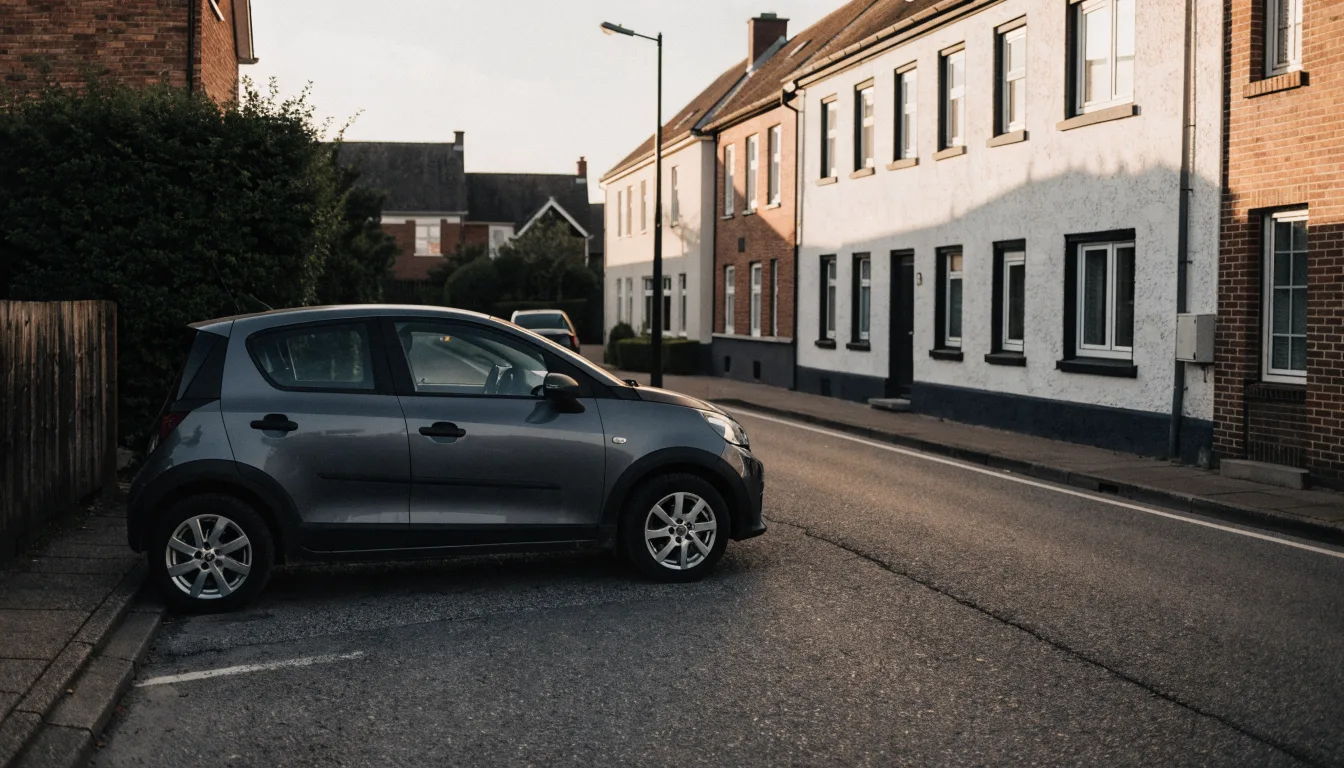
The sub-£30k bracket finally has real choice. Which of these hold up once you look past the headline range figure.

In our winter testing it was the single strongest predictor of how much range a car kept. If you drive through cold winters, treat it as a specification, not an option.
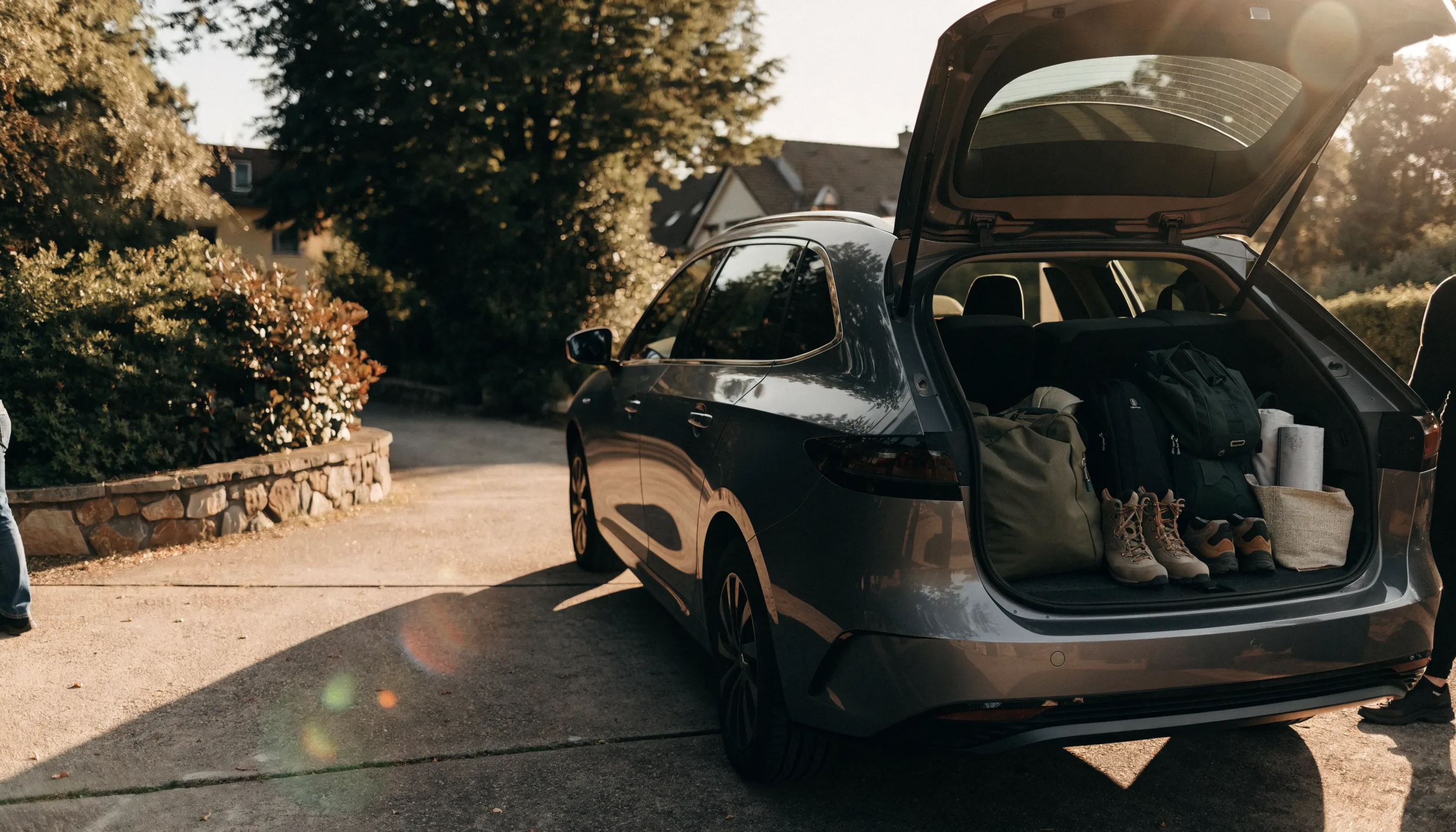
Boot space and rear-seat width matter more than range. So does whether three child seats actually fit, which no brochure will tell you.

Steep depreciation is the whole argument. It makes leasing safer and buying used far better value than it used to be.

Most people buy for their longest journey of the year and pay for it every single day.
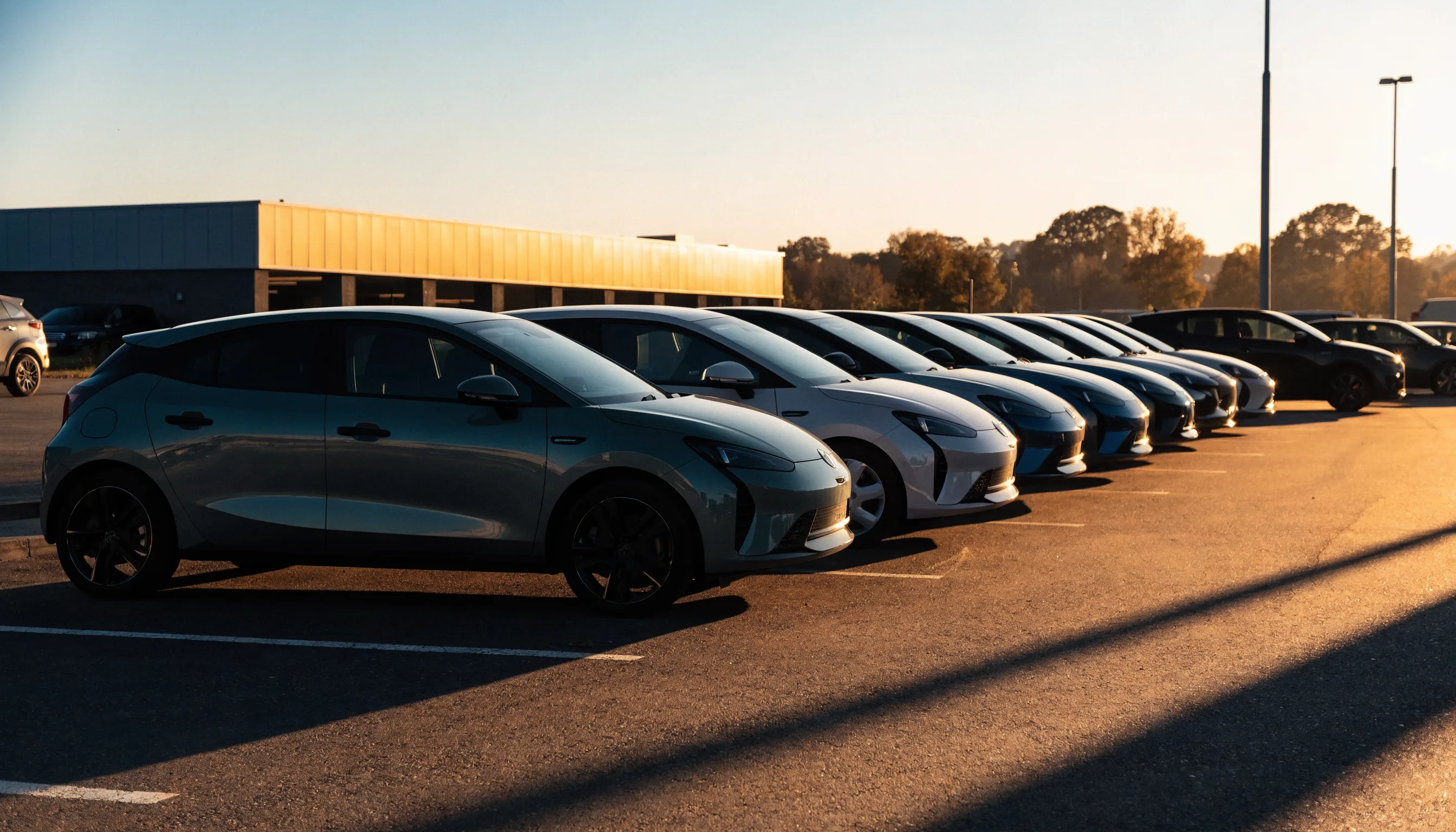
Battery health, warranty transfer and charging history — the three things that decide whether a used EV is a bargain or a liability.

Electric motors tow beautifully. The problem is not capability, it is range — expect to lose a third or more.
Charging changes, useful tools, new cars and money-saving ownership advice. Unsubscribe in one click.