Home9 min · 28 Jul
Charging without a driveway: what actually works
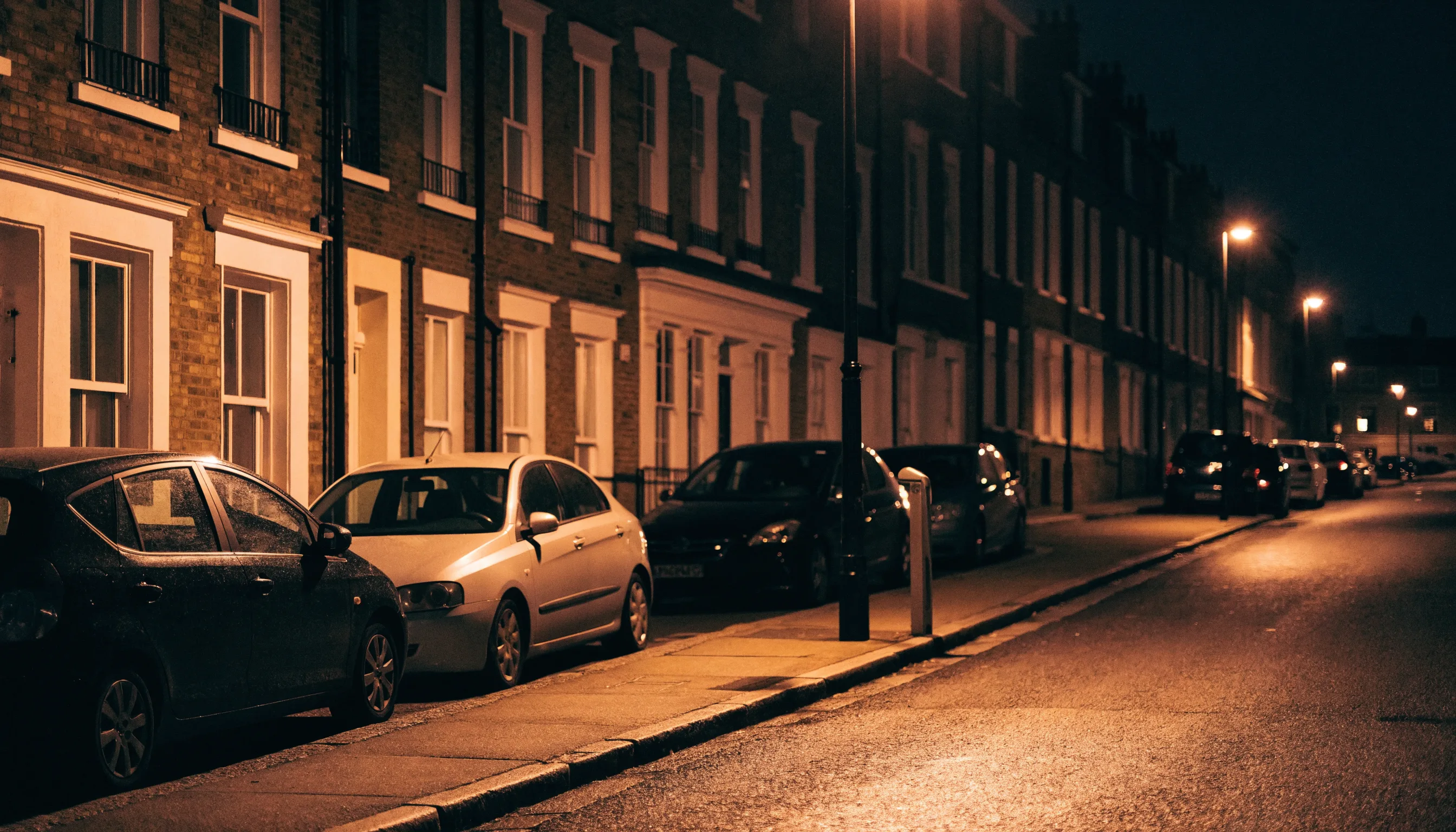
Roughly a third of UK households have no off-street parking. Lamp-post charging, kerbside gullies and the workplace option most drivers overlook.
Choosing, installing and living with a charger where you park.
Around 80% of electric-car charging happens where the car sleeps. Get that right and public charging becomes a thing you do on long trips, not a weekly chore.
This is where we cover the decisions that actually cost money: tethered or untethered, 7 kW or 22 kW, which units support an off-peak tariff, what an installation really involves, and what to do when you have no driveway at all. We do not publish electrical instructions — that work belongs to a qualified installer — but we do explain what you are buying and what to ask for.
Roughly a third of UK households have no off-street parking. Lamp-post charging, kerbside gullies and the workplace option most drivers overlook.
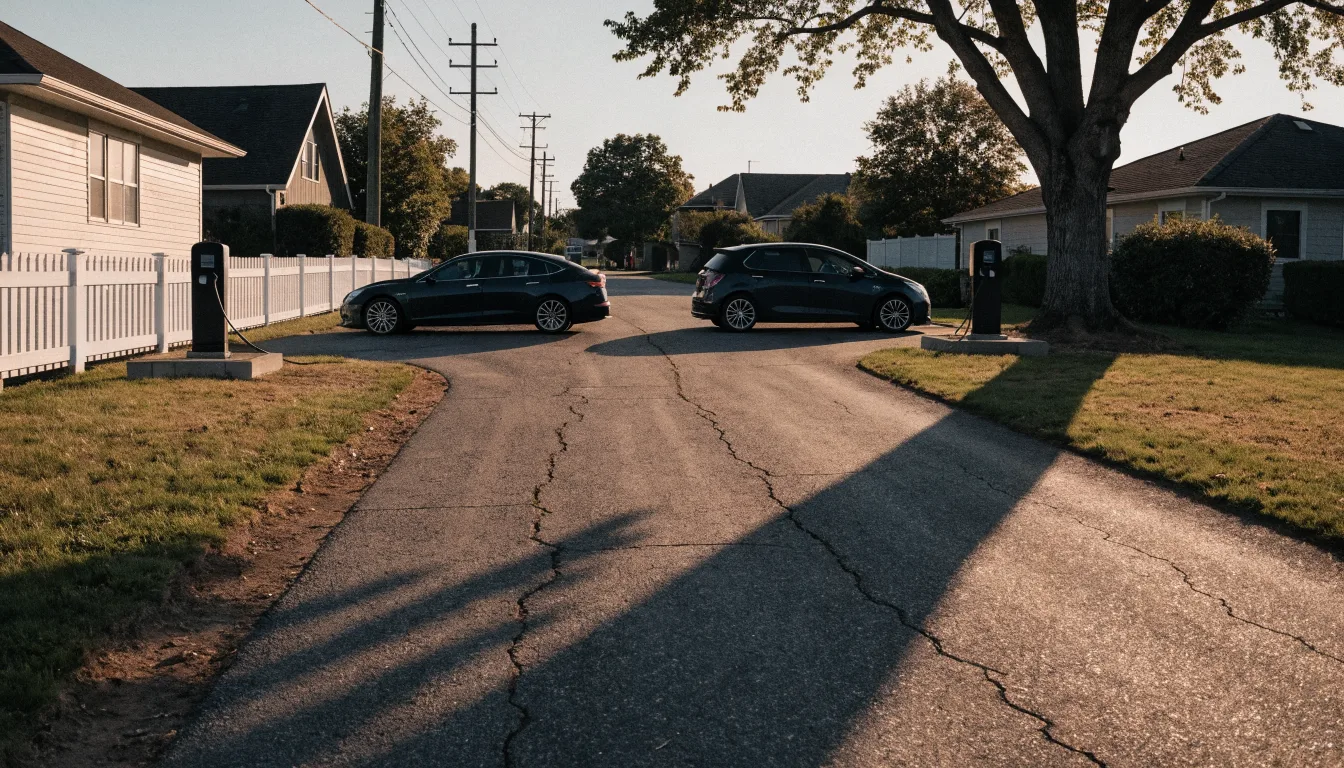
Two cars, one supply. Load balancing is the feature that makes it possible without an expensive upgrade.
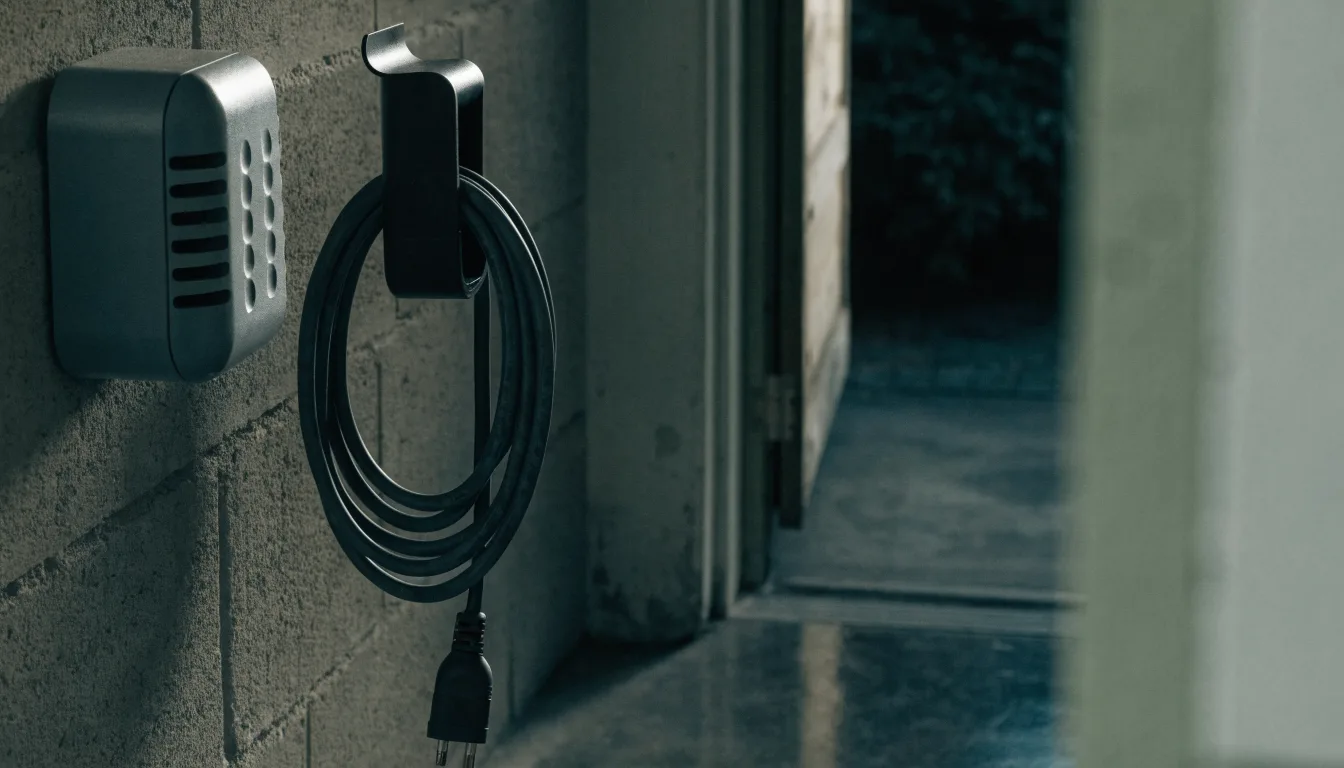
It is not really about the cable. It is about who else will ever park on your drive, and how long you plan to keep the car.
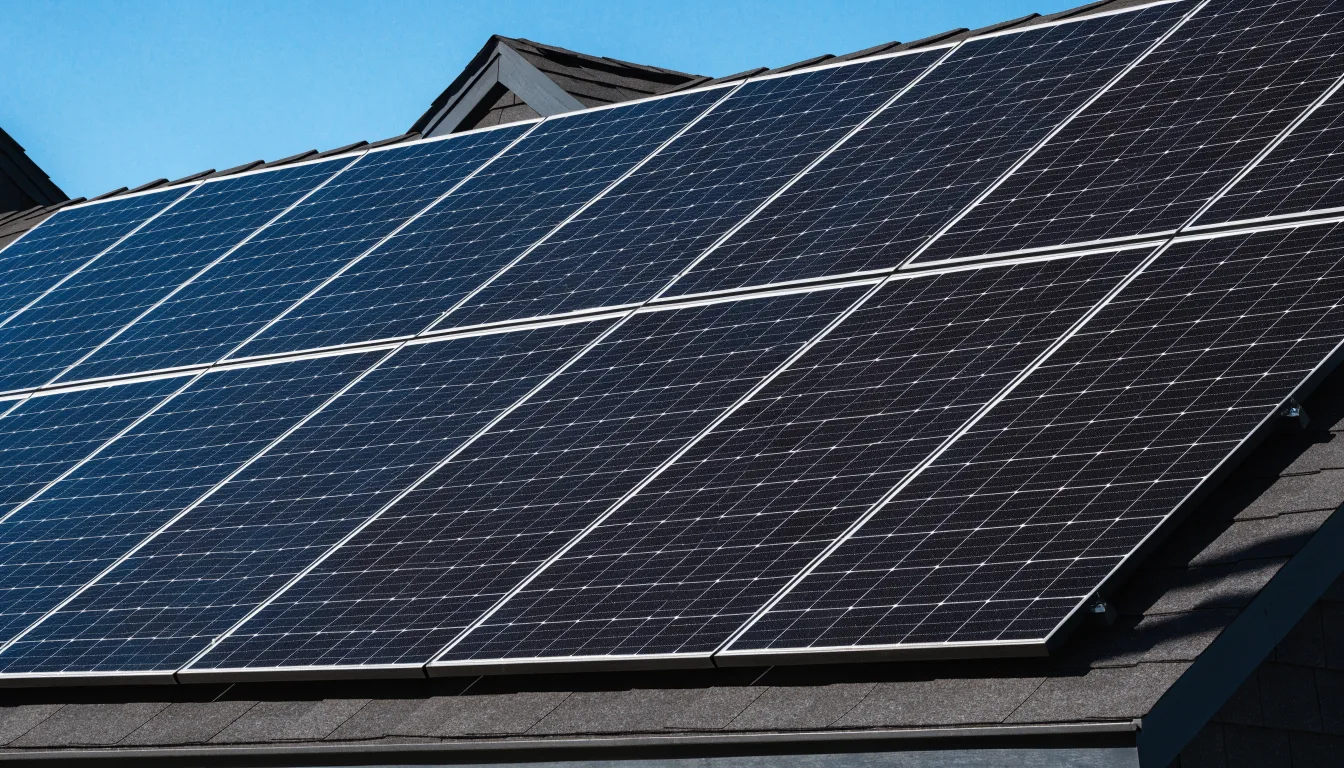
Charging a car on your own generation is the cheapest electricity you will ever put in it. The catch is that cars mostly charge at night, and panels mostly work in the day.
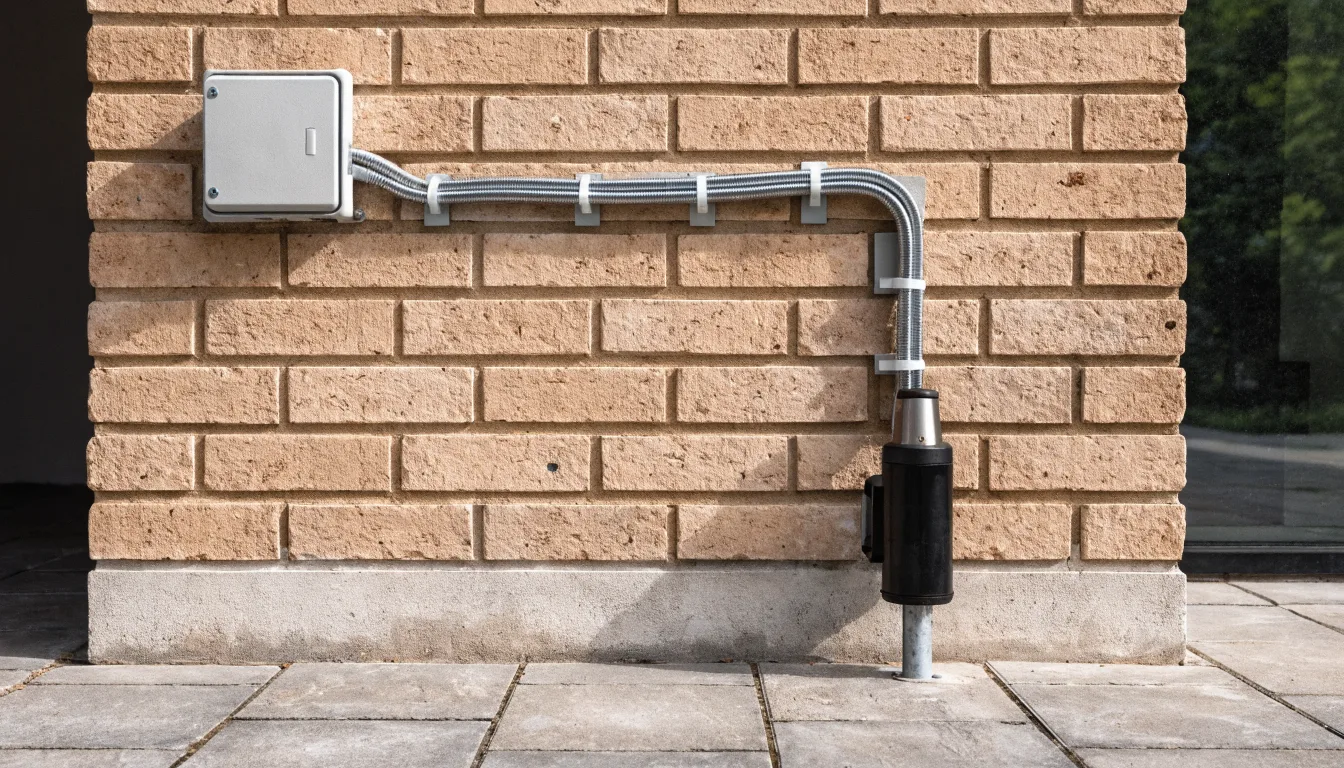
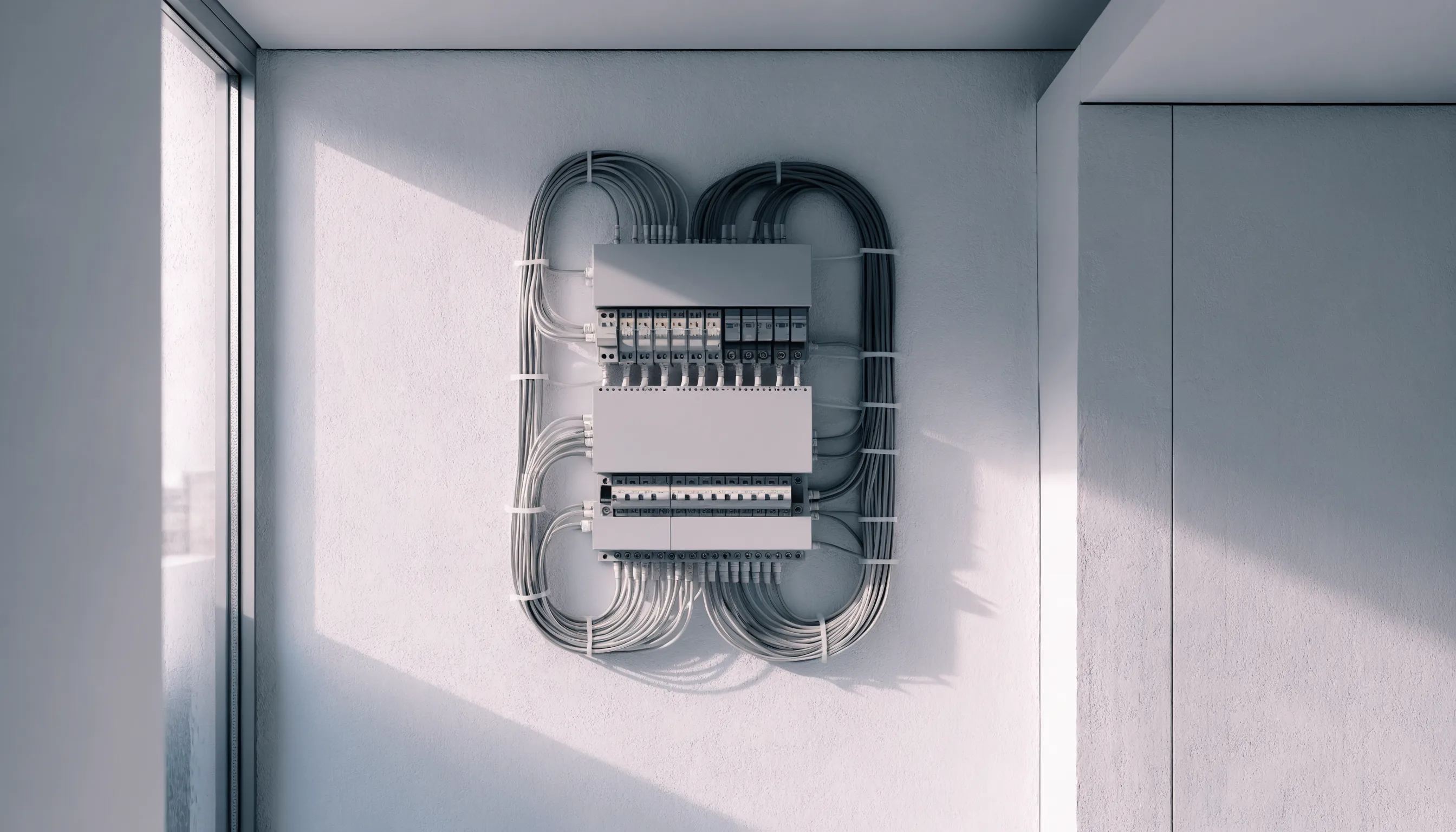
The headline price is the unit. The quote is the unit plus the install, and the install is where the variance lives.
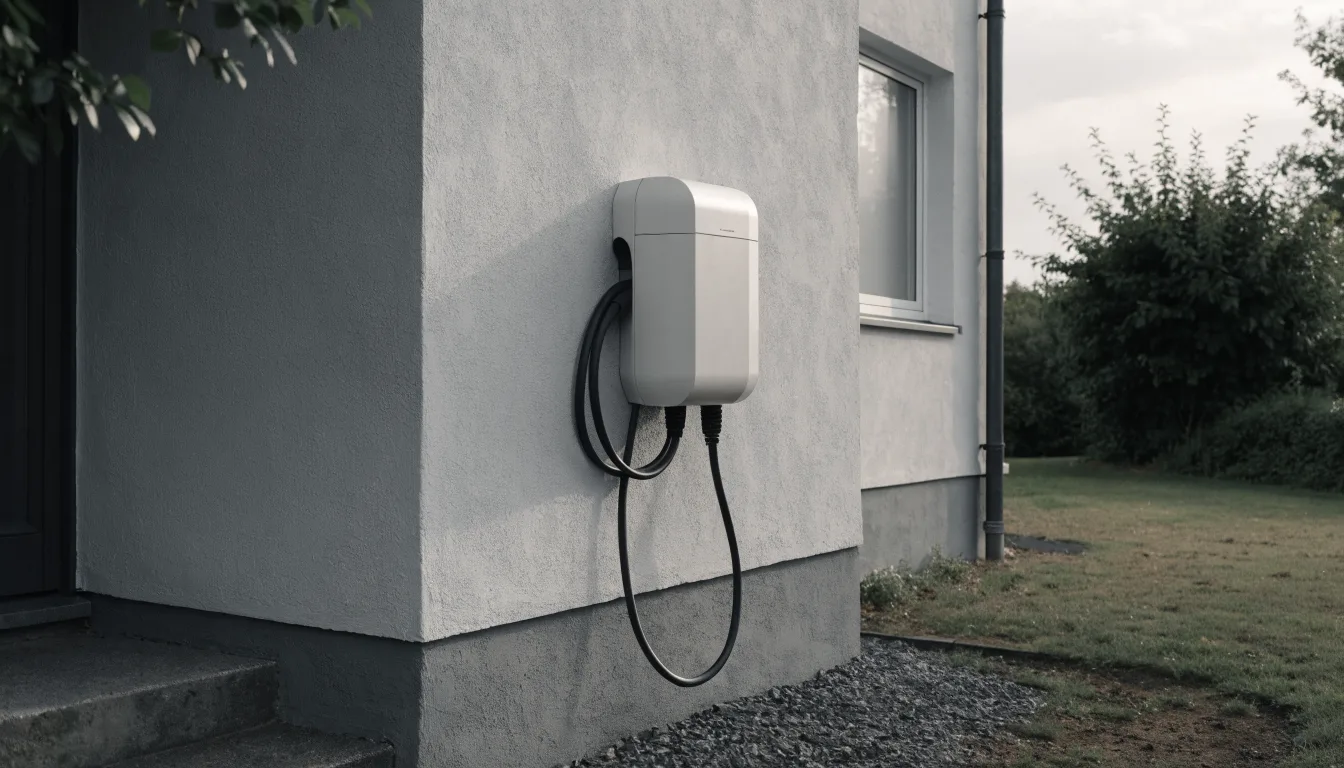
22 kW sounds like three times better. For almost every UK home it is three times nothing, because the supply and the car both cap you long before the charger does.
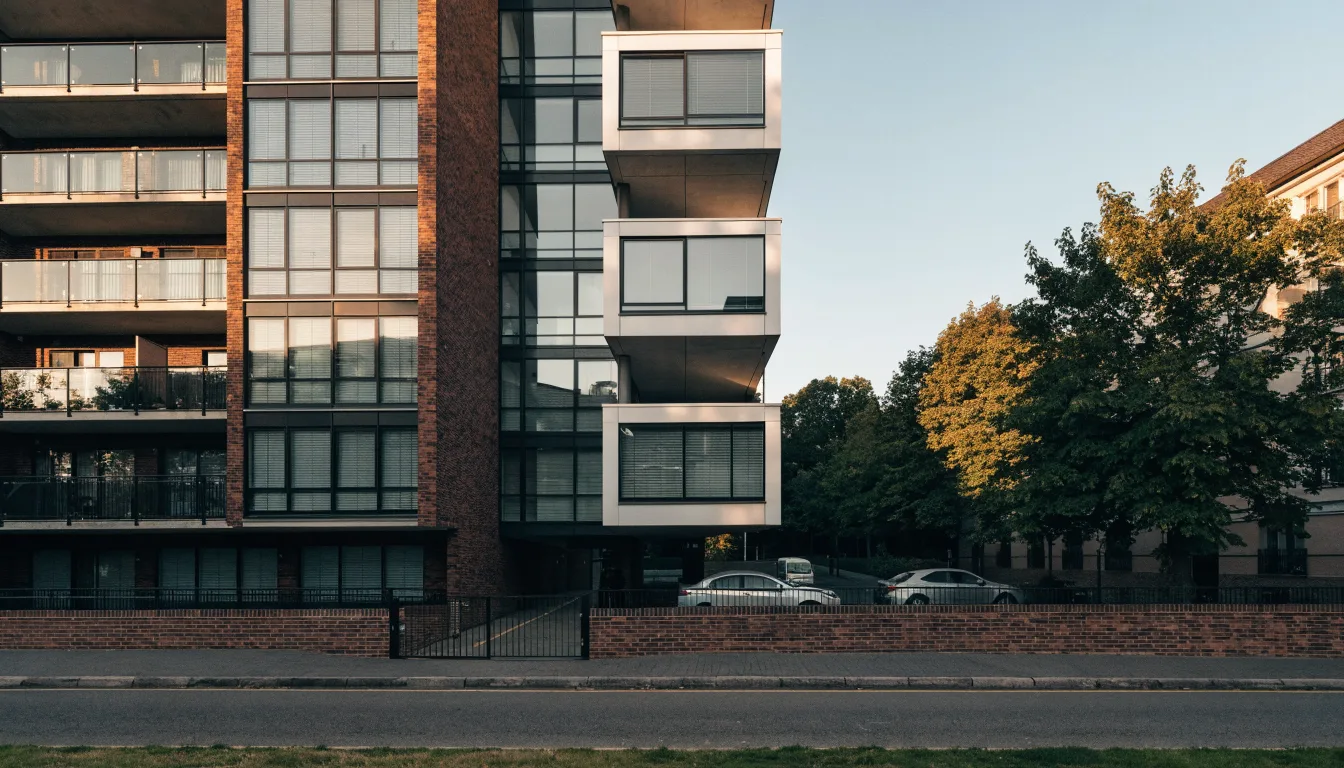
Often yes, but the obstacle is rarely electrical. It is the lease, the freeholder and the car park.
Charging changes, useful tools, new cars and money-saving ownership advice. Unsubscribe in one click.