Kia Niro Hybrid, PHEV or EV: which one is which?
Kia sells three different Niros under one name: a self-charging Hybrid, a Plug-in Hybrid and a full EV. Prices overlap in surprising ways, and so does the tax you pay on each.
DisclosureSome links on this page earn ElectraMile a commission. It never changes what we recommend.
"Kia Niro Hybrid" is really three different cars wearing one name: a self-charging hybrid from £27,745, a plug-in hybrid from £35,490, and a full electric Niro EV from £37,385. All three share the same body. None of them share a fuel bill, a road tax band, or a way of charging. The one that suits you depends on whether you can plug in at home, not on which advert you clicked.
Why one search brings up three cars
You typed "Kia Niro Hybrid" and the results show a car that never plugs in, a car with a charging flap on its wing, and a car with no engine at all. All three are called Niro. All three look almost identical from the kerb.
That is confusing, and it is not your fault. Kia sells the Niro as three separate powertrains under one nameplate: Hybrid, Plug-in Hybrid, and EV. A dealer forecourt often mixes all three together, and a general web search rarely tells you which one a review is actually about.
The gap between them is not cosmetic. A self-charging Hybrid needs nothing but petrol. A Plug-in Hybrid needs a driveway or a cheap way to charge, or it is just an expensive Hybrid. A full EV needs neither petrol nor a plan B. The Niro is aimed squarely at family buyers, and our guide to the best electric cars for families covers how it stacks up against rivals — but picking the wrong Niro powertrain costs real money for years, not just at the point of sale.
Why the badge alone will not tell you which one you need
What "self-charging hybrid" actually means
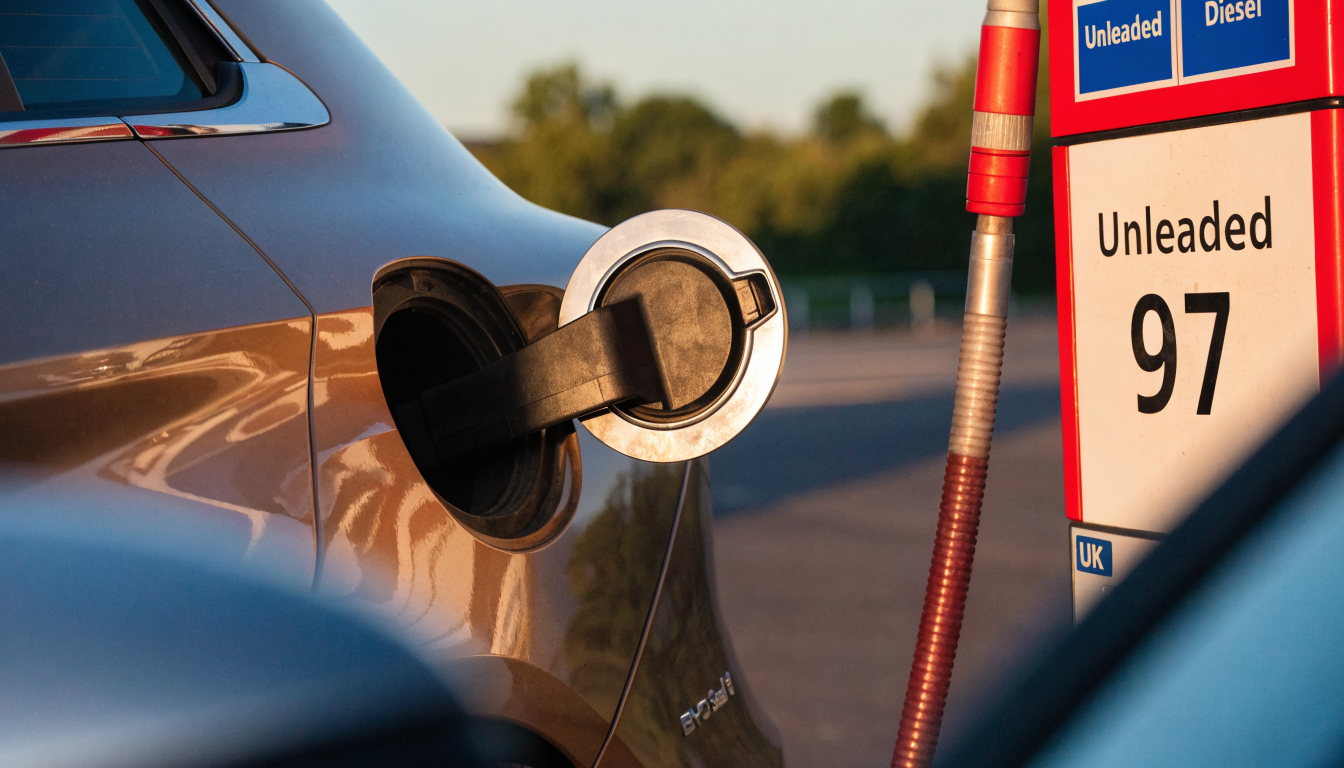
A self-charging hybrid never plugs into the mains. Its small battery — too small to drive far on electricity alone — refills itself from the petrol engine and from regenerative braking, the system that turns braking energy back into charge instead of wasting it as heat. You never manage a cable. You also never drive on electricity alone for more than a few hundred yards.
What the Plug-in Hybrid actually adds
The Plug-in Hybrid, or PHEV, carries a bigger battery you charge from a wall socket or home charger. Kia's own figures put the electric-only range at 18 to 22 miles, depending on trim, enough for many school runs and short commutes on electricity alone. Skip the charging and you are hauling a heavier battery around for no benefit, and the fuel economy drops sharply below its official figures.
Why the price bands overlap
Here is the part that catches buyers out. Kia's own UK pricing lists the entry Plug-in Hybrid at £35,490 and the top Plug-in Hybrid trim at £40,490. The Niro EV starts at £37,385. That means the most expensive plug-in Niro costs more than the cheapest full-electric one — a petrol-and-battery car outpricing the car with no petrol engine at all. If you are choosing on badge alone, check the actual number next to it first.
How to work out which Niro is right for you
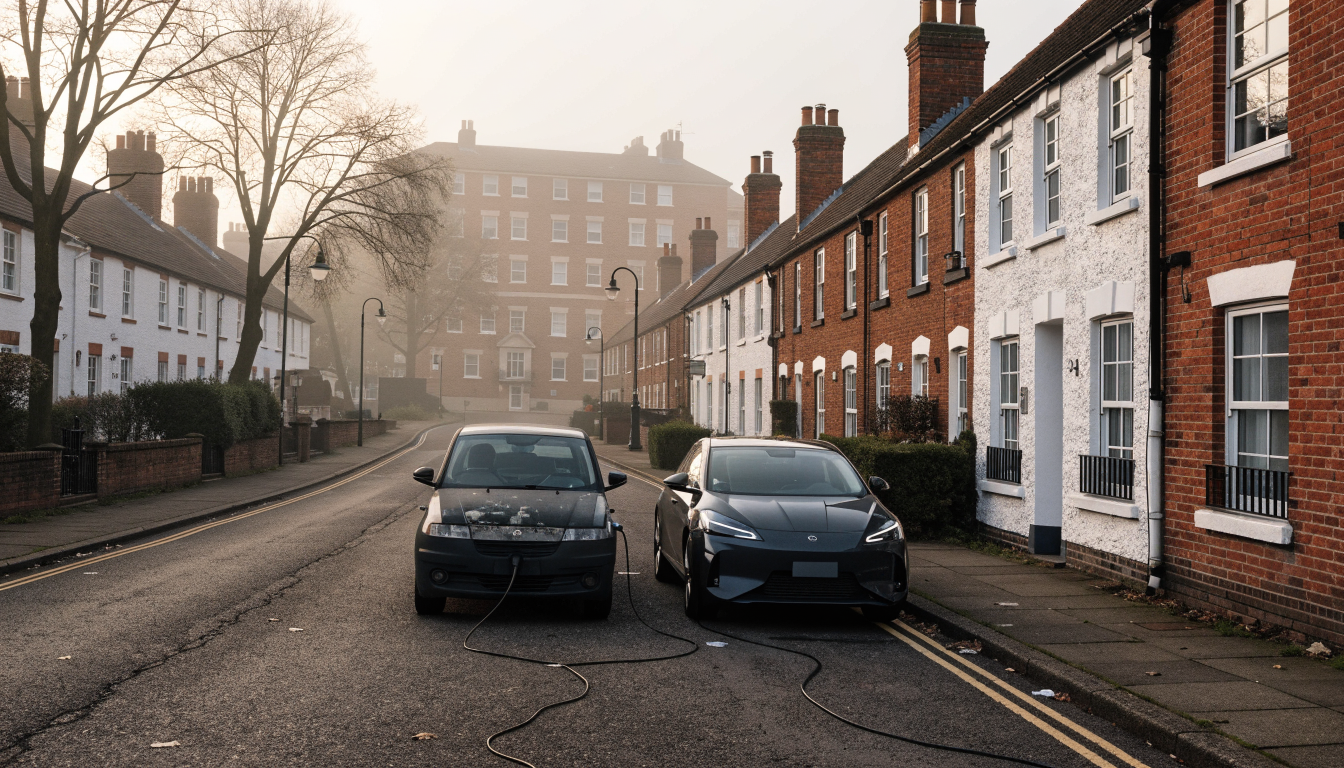
1. Check whether you can charge at home or at work. A Plug-in Hybrid or an EV only beats a Hybrid on running costs if you actually plug in regularly. Without that, both cost more to buy for a saving you will rarely see.
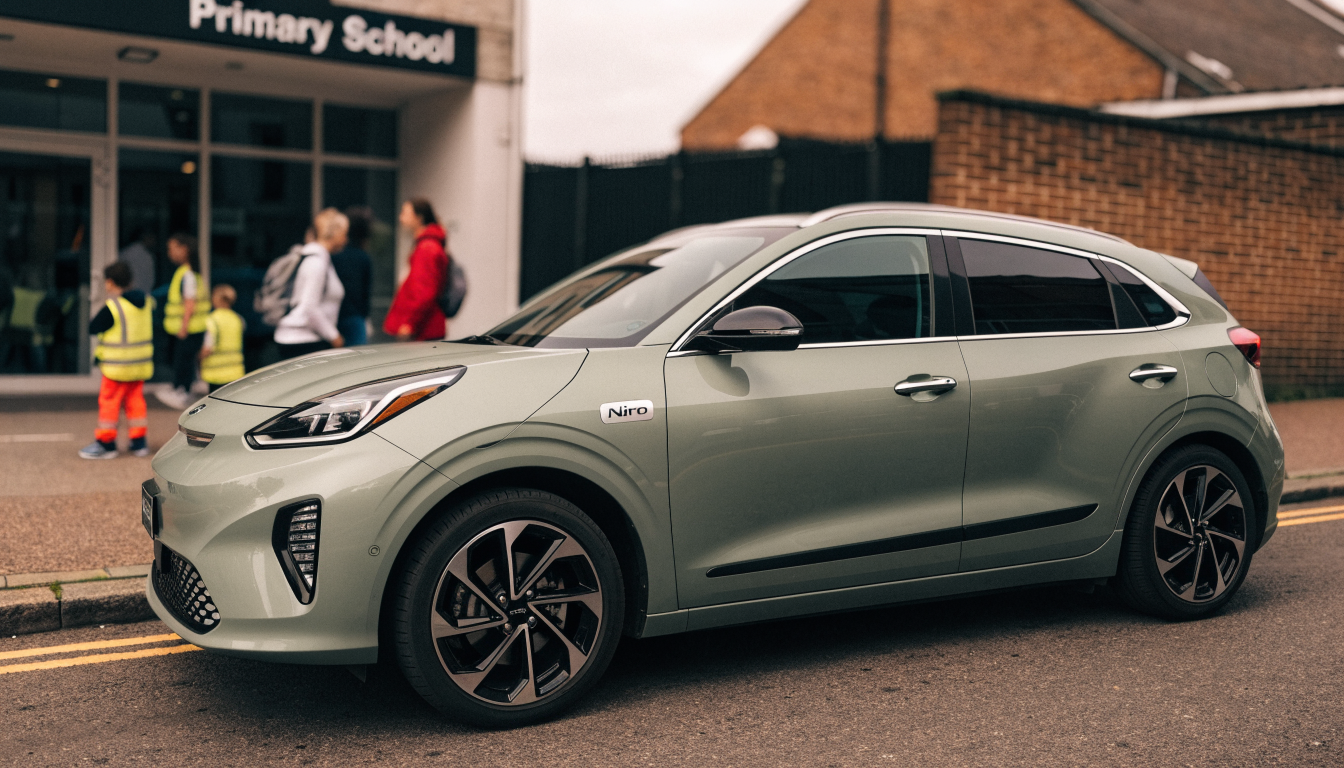
2. Be honest about your daily mileage. The Plug-in Hybrid's 18 to 22 mile electric range covers most school runs and short commutes. A longer daily drive burns into petrol before you reach home, closing the gap with a plain Hybrid.
3. Decide whether range anxiety is a dealbreaker. The Niro EV's 285-mile WLTP range, on a 64.8kWh battery, covers the vast majority of UK driving without a mid-journey charge — more than how much EV range you actually need for most journeys. If long, unplanned trips are rare for you, this removes the Plug-in Hybrid's main advantage.
4. Compare the real prices, not the badge order. Do not assume Hybrid, then Plug-in Hybrid, then EV rises neatly in price. A top-spec Plug-in Hybrid at £40,490 already costs more than an entry EV. Check the actual trim you want against the actual trim you would otherwise buy.
5. Factor in the tax difference before you sign anything. The Plug-in Hybrid and the EV are taxed differently once you cross certain prices — covered in full below — and it changes what the "cheaper" car actually costs you over five years.
6. Get an insurance quote for your actual trim. A Hybrid typically sits in the lowest insurance group of the three, the plug-in and electric versions carry more weight and more complex running gear, and our guide to EV insurance costs explains why that gap exists. Premiums also vary by postcode more than by powertrain alone.
Hybrid, Plug-in Hybrid or EV: which one, in one table
| Powertrain | From (UK) | Charges? | Electric-only range | Best for |
|---|---|---|---|---|
| Hybrid (self-charging) | £27,745 | Never | None | No home charging, simplest ownership |
| Plug-in Hybrid | £35,490 | Yes, essential | 18–22 miles | Short daily trips, occasional long runs |
| EV | £37,385 | Yes, essential | 285 miles (full charge) | Home charging, longer daily driving |
If you cannot charge regularly, the Hybrid is the only one of the three that makes financial sense. If you can, the choice narrows to how much electric-only range you actually need.
What the tax difference actually costs you
Since April 2025, every new car pays Vehicle Excise Duty (VED) — the UK's road tax — including EVs, which lost their old exemption. A new EV pays £10 in its first year, then the standard £200 a year from year two. A Plug-in Hybrid, because it still burns petrol, pays a CO2-based first-year rate: for the Niro PHEV's 18–22g/km emissions, that is £115, under GOV.UK's current bands, then the same £200 standard rate after.
The bigger difference is the expensive car supplement, an extra charge for years two to six on any car whose list price crossed a threshold when new. For petrol, diesel and plug-in hybrid cars, that threshold is £40,000. For electric cars, it was raised to £50,000. A top-spec Niro Plug-in Hybrid at £40,490 clears the lower threshold by £490, adding roughly £440 a year for five years — about £2,200 in total. A top-spec Niro EV at £42,335 sits comfortably under the higher £50,000 threshold and avoids the supplement entirely, despite being the pricier car on paper. Check your exact trim's list price against these figures before you order, since a single option pack can tip a PHEV over the line.
When none of the three Niros is the right answer
If you need to tow a caravan or a horsebox regularly, none of the three Niro powertrains is built for it — our guide to the best electric cars for towing covers cars actually rated for the job. If your budget realistically caps out under £27,000, even the entry Hybrid is out of reach, and our best electric cars under £30,000 guide covers cheaper full-EV alternatives. And if you are shopping used rather than new, the tax and pricing figures above apply to a new car's list price, not what a used Niro costs today — a different set of questions our used EV buying guide covers in more depth.
What to do next
Work out first whether you can charge at home or at work, since that single fact rules out one or two of the three Niros before you look at a single spec sheet. If leasing rather than buying suits your budget better, our guide to leasing vs buying an EV is worth reading before you commit to any of the three. And if a Niro turns out to be more car than your budget wants, browse the rest of our EV model guides for the next comparison.
Sources
Common questions
What is a Kia Niro self-charging hybrid?
It is the Niro that never plugs in. A 1.6-litre petrol engine and a small electric motor work together, and the battery refills itself from the engine and from regenerative braking as you drive. From £27,745, it is the cheapest of the three Niro powertrains and needs no charging routine at all.
How much does a Kia Niro Plug-in Hybrid cost in the UK?
Kia's own UK pricing runs from £35,490 for the entry trim to £40,490 for the top trim, as of 2026. That top trim sits just above the £40,000 threshold for the expensive car supplement, adding meaningfully to the tax bill over five years of ownership.
Can I charge a Kia Niro EV at home?
Yes. The Niro EV takes a Type 2 cable on a home wallbox, and its 64.8kWh battery gives up to 285 miles WLTP range. A 7kW home charger comfortably covers an overnight top-up, and public rapid chargers add range faster if you are away from home.
Is a used Kia Niro EV worth buying?
It can be, provided you check the battery's state of health rather than relying on age or mileage alone. Ask for a diagnostic reading before you commit, and confirm the car's charging history, since heavy fast-charging use can affect long-term battery condition more than distance travelled.
Which Kia Niro should I buy?
It depends on whether you can charge regularly. Without home or workplace charging, the Hybrid is the only sensible choice. With reliable charging access, compare the Plug-in Hybrid's lower purchase price against the EV's longer electric range and different road tax treatment before deciding.
About the author
ElectraMile EditorialEditorial desk
The ElectraMile editorial team covers charging, running costs and EV ownership for readers in the UK and US.
Spotted something wrong? Tell us — we correct and date every change.
Figures shown for United Kingdom in GBP. Switch market in the header to see local pricing and terminology.