Nissan Leaf charging port and connector type, explained
CHAdeMO, Type 1, Type 2 or CCS — which one your Nissan Leaf actually uses depends on when it was built. This guide sorts every generation, plus what it costs to charge one.
DisclosureSome links on this page earn ElectraMile a commission. It never changes what we recommend.
A Nissan Leaf's charging port and plug type depend entirely on which generation you own. Every Leaf built from 2011 to 2025 uses a CHAdeMO plug for rapid charging, a connector the UK's public network is steadily removing. The all-new 2026 Leaf drops CHAdeMO for good and switches to the same CCS standard as almost every other electric car on sale, which is the single biggest change to know about before you plug one in.
What is actually confusing owners
You have bought, or are about to buy, a Nissan Leaf, and the charging cable that came with it does not fit the rapid charger you just pulled up to. Or you have read that the "new Leaf" charges differently to the one your neighbour drives, and you are not sure which one you actually have.
Both problems trace back to the same thing: Nissan has changed the Leaf's charging hardware twice since 2011, and each generation behaves differently once you are away from a home wallbox. Getting this wrong before you buy a charging cable, or before you plan a long trip, wastes money and stops you charging when you need to.
None of this affects whether the Leaf itself is a sensible car to own. It remains one of the cheapest routes into a genuinely useful electric car, new or used, and one of the most popular entries across our EV model guides. The confusion is purely about which plug fits which socket, and that is entirely fixable once you know your own car's generation.
Why the Leaf's charging setup has changed twice
The original Leaf used Type 1 and CHAdeMO
Every Leaf sold in the UK from 2011 to around 2017 uses a Type 1 connector for home and public AC charging, plus a separate CHAdeMO port for DC rapid charging. Type 1 is a five-pin plug, less common on newer UK charge points than the Type 2 socket that replaced it. Most owners run a Type 1-to-Type 2 cable to use modern public AC chargers, since almost no new charge point still fits Type 1 directly.
The second-generation Leaf (2018-2025) switched to Type 2, but kept CHAdeMO
The ZE1-generation Leaf was sold from 2018 with 40kWh, and later 62kWh "e+", batteries. It moved to the now-standard Type 2 connector for AC charging. It kept CHAdeMO for DC rapid charging, at up to 50kW on the 40kWh car and 100kW on the e+. That single decision is the reason nearly 850,000 UK and European Leafs still depend on a connector the rest of the industry has largely abandoned.
The all-new 2026 Leaf finally drops CHAdeMO
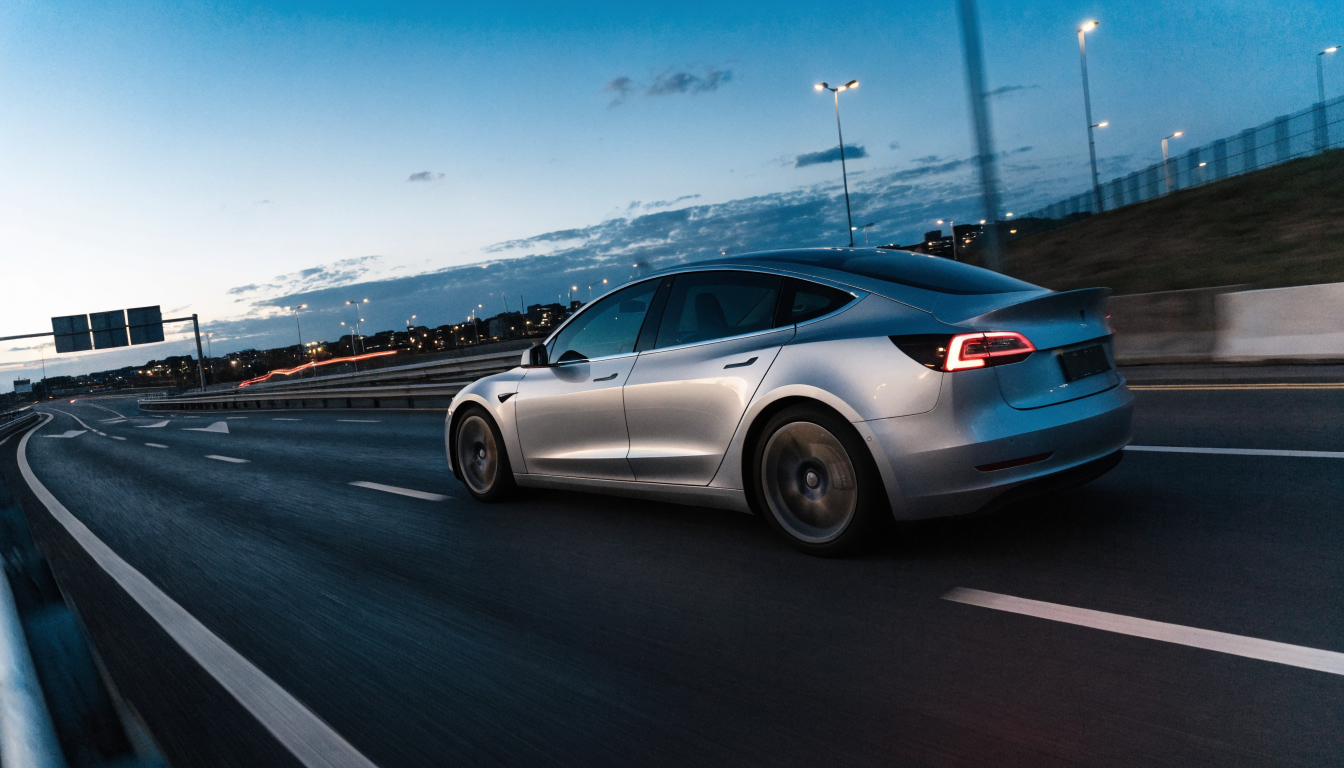
The redesigned Leaf reached UK showrooms in February 2026. It uses Type 2 for AC charging and CCS2, also called CCS Combo 2, for DC rapid charging. That is the same rapid connector used by almost every other EV sold in Britain today, from a Volkswagen ID.3 to a Tesla Model 3. It resolves the compatibility problem entirely, but only for this newest car. It does nothing for the Leaf already on your drive.
What actually plugs into what
1. Check which generation you have before buying any cable. The badge alone will not tell you. Look up your Leaf's build year and battery size, since the 2017-2018 changeover year is where the connector type actually switches, not a clean model-year boundary. If you are shopping used rather than checking a car you already own, our used EV buying guide covers how to verify battery health alongside exactly this kind of spec detail.
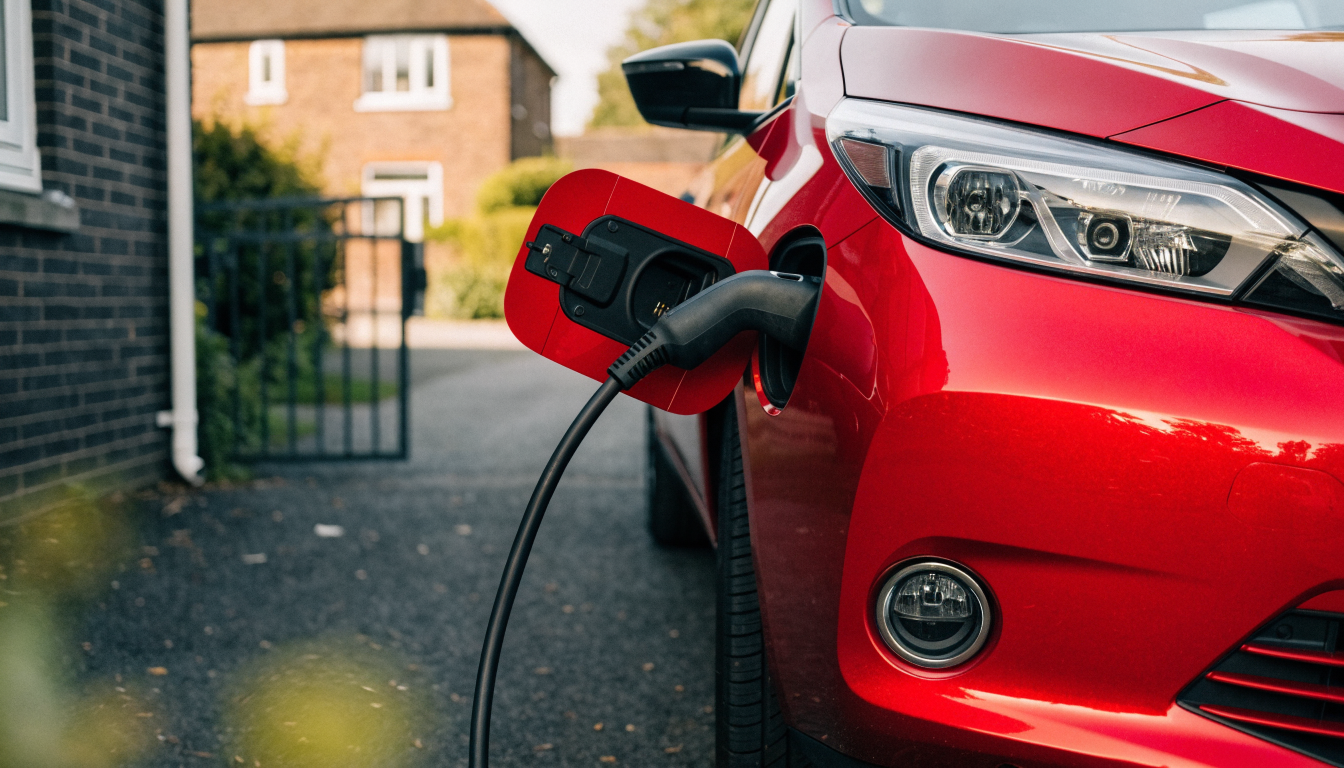
2. Buy a home charging cable that matches your Type 2 socket. Every Leaf from 2018 onwards uses Type 2 for AC charging, so a standard UK home wallbox works without an adapter. A pre-2018 Type 1 car needs either a Type 1 charging cable or a Type 1-to-Type 2 adapter cable to use the same wallbox.
3. Confirm your local rapid chargers still support your DC connector. A 2011-2025 Leaf needs a CHAdeMO point. As of 2026, the UK has roughly 2,800 CHAdeMO connectors left against more than 35,000 CCS ones. That gap grows every year. Check Zap-Map's live filters for CHAdeMO before setting off on a longer trip, rather than assuming your usual services still has one.
4. Do not expect a Leaf's onboard charger to use the full power of a 7kW wallbox. Most Leaf models cap their onboard AC charger at 6.6kW, so a 7kW home charger still delivers a full overnight charge, just not at the full rate printed on the box. This is normal, not a fault.
5. If you are buying new, check the exact battery and connector before you order. The 2026 Leaf ships with a 52kWh or 75kWh battery, and the connector is CCS2 either way. Do not assume "new Leaf" automatically means CHAdeMO is gone from every car on a dealer's forecourt, since older stock may still be in showrooms during the changeover.
6. Fit a smart home charger rather than relying on a three-pin plug. A dedicated 7kW wallbox roughly halves the time a three-pin socket takes for the same charge, and most models now let you schedule charging to start once a cheap overnight tariff kicks in. An installer can confirm the right cable type for your generation of Leaf before the unit goes on your wall, which avoids paying for the wrong tethered cable.
Nissan Leaf charging by generation
| Generation | Years | AC connector | DC connector | Peak DC power | Rapid network fit today |
|---|---|---|---|---|---|
| First-generation (24/30kWh) | 2011-2017 | Type 1 | CHAdeMO | Up to 50kW | Shrinking fast |
| ZE1 (40/62kWh e+) | 2018-2025 | Type 2 | CHAdeMO | 50-100kW | Shrinking fast |
| All-new Leaf, UK/EU | 2026-present | Type 2 | CCS2 | Up to 150kW | Full modern network |
| All-new Leaf, US | 2026-present | J1772 | NACS | Up to 150kW | Tesla Supercharger network |
The table only has two real decisions in it: whether your car needs CHAdeMO, and whether you are buying in the UK or the US. Everything else follows from those two answers.
What it actually costs to charge one
Nissan says the 75kWh 2026 Leaf recovers roughly 260 miles of range in around 30 minutes on a 150kW rapid charger, taking it from a low state of charge to about 80%. On the standard Ofgem price cap rate of 26.11p per kWh for July-September 2026, a full 75kWh charge from empty costs around £19.58. On a cheap overnight tariff at 8p per kWh, the same charge drops to about £6.
Rapid charging away from home costs considerably more per kWh, commonly 60-80p, which erodes most of the day-to-day running cost advantage an EV normally has over petrol. Planning your longer trips around CCS availability on the 2026 car, or CHAdeMO availability on an older one, matters as much for your wallet as it does for convenience.
Buyers of the new car get one more reason to check eligibility before ordering. The 2026 Leaf is built in Sunderland, which qualifies it for the full UK Electric Car Grant of £3,750. That takes the entry Engage trim from £32,249 down to roughly £28,499 before any other options. Not every EV on sale qualifies for the full amount, so this is worth confirming with your dealer rather than assuming the price you see already includes it.
When charging problems are not about connector type
If a 2018-2025 Leaf is genuinely struggling to hold a charge, or charges much slower than its rated speed even on a strong CHAdeMO unit, the connector is unlikely to be the cause. Battery degradation, a cold pack, or a fault in the car's own charging circuit are all far more common explanations, and none of them are fixed by buying a different cable.
A CHAdeMO-only car is not obsolete, but it is increasingly inconvenient. If you are choosing between a used ZE1 Leaf and a new one purely to dodge this problem, weigh the lower purchase price of the older car against exactly this kind of future-proofing risk before deciding either way.
What to do next
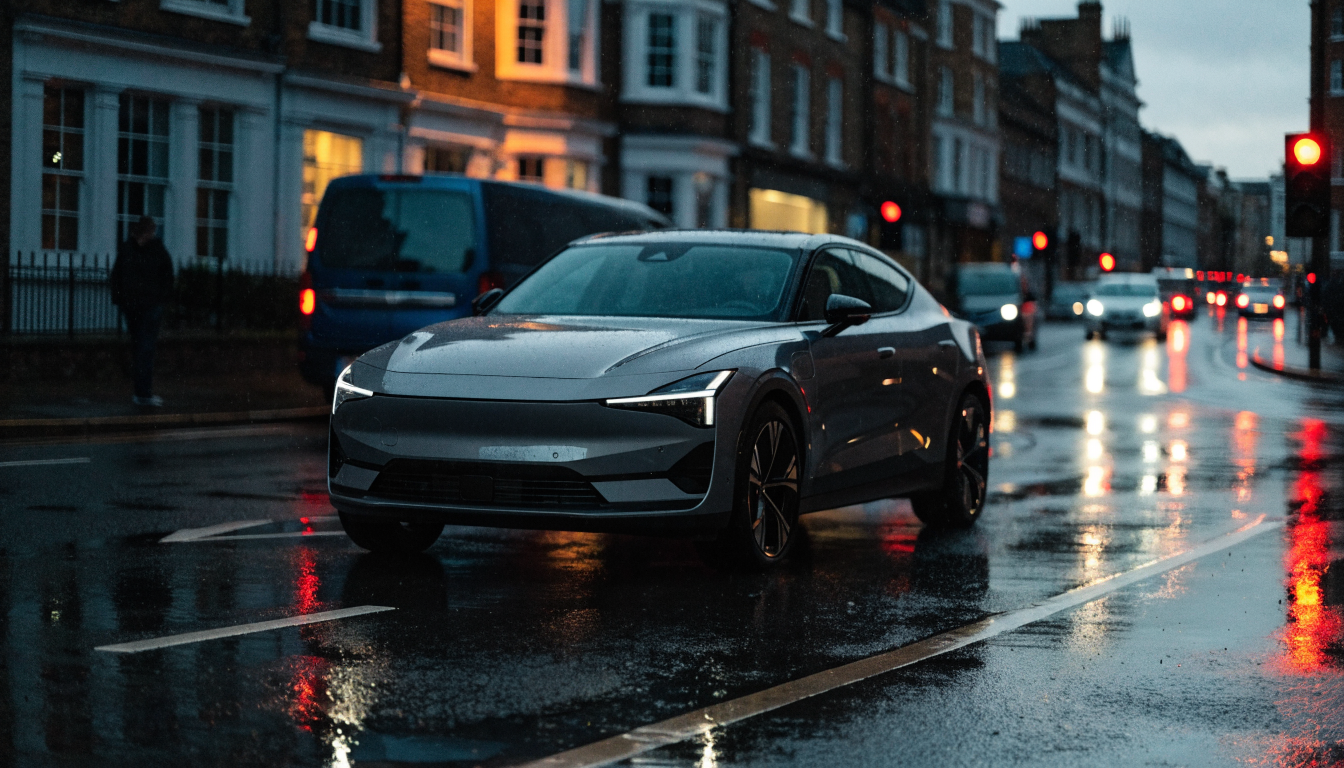
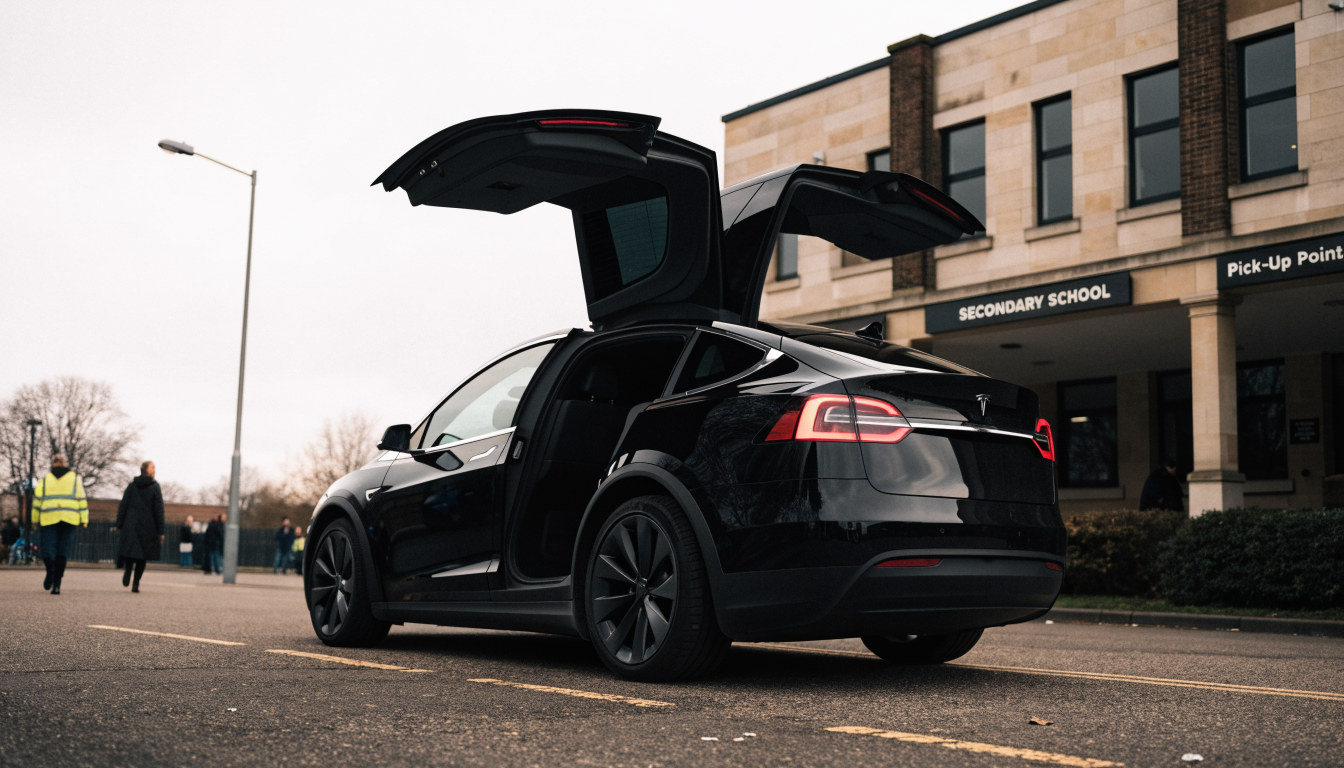
If range anxiety on longer trips is your real concern rather than the connector itself, our guide to the Polestar 2 covers a car with meaningfully longer range and faster CCS charging as standard. For towing or bigger family trips, check our best electric cars for towing guide, since the Leaf was never built with that job in mind. Connector upheaval is not unique to Nissan, either: even a car as different as the Tesla Model X has been through its own charging standard changes, so check the plug before you assume any used EV matches your home setup.
Sources
- Parkers — New Nissan Leaf pricing, spec and driving range details
- Auto Express — Nissan Leaf review 2026
- Destination Charged — 2026 Nissan Leaf charging explained
- Smart Home Charge — Nissan Leaf charging guide
- Zapmap — Nissan Leaf charging: range, connector type and charge times
- Ofgem — Energy price cap unit rates and standing charges
- Fast Charge — Huge reduction in new CHAdeMO chargers being installed
Common questions
What charger type does a Nissan Leaf use?
It depends on the generation. Every Leaf built from 2011 to 2025 uses CHAdeMO for rapid charging, plus Type 1 (pre-2018) or Type 2 (2018 onwards) for AC charging. The all-new 2026 UK and European Leaf switches to CCS2 for rapid charging, while keeping Type 2 for AC.
How do I charge a Nissan Leaf at home?
Plug into a home wallbox using the car's Type 2 socket, standard on every Leaf from 2018 onwards. Most Leaf models cap their onboard AC charger at 6.6kW, so even a 7kW wallbox will not charge any faster than that limit, though it still delivers a full overnight charge.
Where is the charging port on a Nissan Leaf?
On most Leaf models, it sits behind a flap on the front of the car, near the bonnet and grille, covering both the AC and DC sockets in one location. Press the charge port button on the key fob or the instrument panel to release the flap before plugging in.
Can I still rapid charge an older Nissan Leaf?
Yes, but the CHAdeMO network it depends on is shrinking. As of 2026, the UK has roughly 2,800 CHAdeMO connectors left against more than 35,000 CCS ones, and several major networks have stopped installing new CHAdeMO points. Check Zap-Map's live filters before a longer trip rather than assuming your usual stop still has one.
Does the new Nissan Leaf use CCS or CHAdeMO?
The redesigned Leaf that reached UK showrooms in February 2026 uses CCS2, also called CCS Combo 2, for DC rapid charging, dropping CHAdeMO entirely. That matches the connector used by almost every other electric car sold in Britain, resolving a compatibility gap that affected every earlier Leaf generation.
How much does it cost to charge a Nissan Leaf?
A full charge on the 75kWh 2026 model costs around £19.58 on the standard Ofgem price cap rate of 26.11p per kWh, or about £6 on a cheap overnight tariff at 8p per kWh, as of the July-September 2026 rates. Older, smaller-battery Leafs cost proportionally less to fill from empty.
About the author
ElectraMile EditorialEditorial desk
The ElectraMile editorial team covers charging, running costs and EV ownership for readers in the UK and US.
Spotted something wrong? Tell us — we correct and date every change.
Figures shown for United Kingdom in GBP. Switch market in the header to see local pricing and terminology.