BYD Seal electric car: what it really costs to own
The BYD Seal costs £45,730 to £48,730 new, but depreciation and charging habits decide the real bill. Here is a full three-year cost of ownership, worked from real UK data.
DisclosureSome links on this page earn ElectraMile a commission. It never changes what we recommend.
A BYD Seal electric car costs £45,730 to £48,730 new, but the real number that matters is what it costs to actually own. Over three years and 30,000 miles, a Design-trim Seal loses roughly £18,950 in depreciation alone, according to Carwow's analysis of Cap HPI valuation data. Add road tax, charging and insurance, and the full three-year running total lands between £20,100 and £27,000, depending almost entirely on how you charge it.
What buyers actually want to know
Most people searching "BYD Seal electric car" have already seen the sticker price somewhere. What they have not seen is what that number turns into after three years of real ownership: depreciation, charging bills, servicing, and an insurance quote that might come as a surprise.
That is the honest gap this guide fills. The Seal is a genuinely well-reviewed saloon, but reviews rarely put a full cost of ownership in one place. The figures below come from actual UK valuation and pricing data, not a rough estimate. If you are cross-shopping against a smaller, cheaper EV such as the Nissan Leaf, the gap in running costs matters just as much as the gap in badge and size.
Why the Seal's running costs work the way they do
Two trims, two very different costs to insure
BYD sells the Seal saloon in two versions. The rear-wheel-drive Design starts at £45,730 and sits in UK insurance group 46. The all-wheel-drive Excellence costs £48,730 and sits in group 48, well up the 1-50 scale. That gap alone can add several hundred pounds a year to your premium, well before you compare individual insurer quotes.
Depreciation dominates the total cost
Carwow's cost-of-ownership analysis, based on Cap HPI valuation data, puts three-year, 30,000-mile depreciation on a Design-trim Seal at £18,950. That single figure is larger than every other running cost in this guide combined. It is also, in a strange way, good news if you are shopping used: a car that depreciates this fast becomes a genuinely cheap used buy within a few years, and our used EV buying guide covers exactly what to check before taking advantage of that.
Power and practicality differ more than the price gap suggests
The extra £3,000 for the Excellence buys a genuinely different car to drive, not just a badge. The Design runs a single rear motor producing around 309bhp, enough for a 5.9-second 0-62mph time. The Excellence adds a second motor over the front axle, taking combined output to around 523bhp and cutting that sprint to 3.8 seconds. Both trims share the same 485-litre boot plus a 72-litre front storage compartment for cables, so the extra pace does not cost you luggage space.
Charging cost swings the total more than any other single choice
The same Carwow analysis worked out three-year charging costs under four different charging habits: £774 charging only at home, £2,352 with a realistic mixed pattern of mostly home charging plus some public charging, £5,226 relying mainly on public slow charging, and £7,645 relying mainly on public rapid charging. That is a gap of nearly £6,900 between the cheapest and most expensive way to keep the same car charged.
How to work out your own real cost
1. Start with your actual charging pattern, not the best-case one. If you can charge at home overnight, budget close to the £774 three-year figure. If you cannot, and rely on public charging, your true running cost could be three to ten times higher, which changes the whole ownership decision.
2. Get real insurance quotes before you commit to a trim. Group 46 and group 48 both sit well above an average family car, so do not assume the Seal will be cheap to insure just because it is efficient to run. Compare Design and Excellence quotes side by side, since the trim decision affects this cost directly.
3. Budget for servicing at a BYD-approved centre. BYD's own UK service pricing runs from roughly £222 for a first service up to around £577 for a more involved interval service, according to dealer network pricing. Using an independent garage instead does not usually void the warranty under UK block exemption rules, but check your specific dealer's terms first.
4. Add road tax at the correct rate for a car this price. You might expect the Expensive Car Supplement to apply here, since it catches EVs priced over £50,000 when new. It does not. At £45,730 to £48,730, both Seal trims sit under that £50,000 line, so buyers pay the standard rate only: £10 in year one, then £200 a year from year two, working out at £410 over three years.
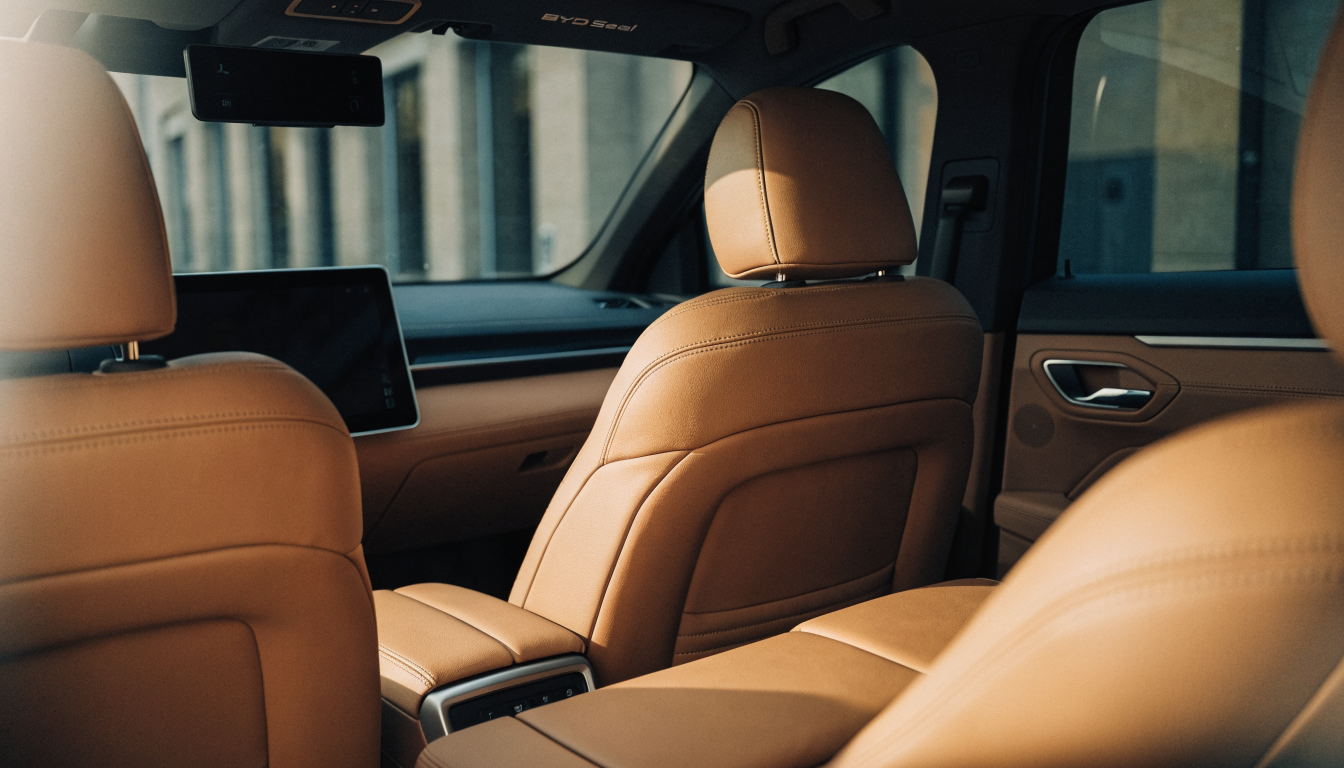
5. Treat the interior as a genuine part of the value equation, not just a nice-to-have. Both trims get a 15.6-inch rotating touchscreen, a 10.25-inch driver display and a 12-speaker Dynaudio sound system. Reviewers rate the cabin as more premium-feeling than the price suggests, which is a real factor if you are cross-shopping against cheaper but plainer rivals.
What three years of Seal ownership actually costs
| Charging habit | 3-year charging cost | Depreciation | Road tax | Total (3 years) |
|---|---|---|---|---|
| Home charging only | £774 | £18,950 | £410 | £20,134 |
| Mixed (mostly home) | £2,352 | £18,950 | £410 | £21,712 |
| Mostly public slow charging | £5,226 | £18,950 | £410 | £24,586 |
| Mostly public rapid charging | £7,645 | £18,950 | £410 | £27,005 |
The spread between the best and worst row is £6,871, entirely down to where you plug in. That is worth more attention than the £3,000 gap between the two trims.
What the Seal is actually like to live with
BYD's naming can trip buyers up: the Seal U and Seal 6 are separate, larger models, not trims of the saloon covered here, so double-check which car a used listing is actually describing. Auto Express scored the Seal 3.5 out of 5, calling it "a well-built, efficient EV that's great to drive", while noting it does not undercut key rivals on price and finished last in one company-car megatest on charging speed and driving engagement.
Residual values, despite the steep three-year depreciation figure above, are relatively strong for the segment: Auto Express puts the Seal's retained value at around 48% after three years and 36,000 miles, ahead of several rivals with a longer UK track record. Both trims come with an eight-year, 155,350-mile battery warranty, longer than Tesla's equivalent cover.
Day to day, the cabin is where most owners notice the price against a plainer rival. Wireless phone charging pads, Apple CarPlay, Android Auto and heated, ventilated leather-trimmed front seats come as standard on both trims. Only the Excellence adds a head-up display, a small but genuinely useful extra on a car this quick, since checking your speed on the main touchscreen takes your eyes further from the road.
When the Seal is not the cheap option it looks like
If you cannot charge at home, the numbers above should change your decision, not just your budget. A car that costs £20,134 to run over three years on home charging can cost £27,005 on public rapid charging alone, which may make a plug-in hybrid or a cheaper-to-insure rival a better fit for your circumstances.
If you are quoted for insurance and the figure comes back high, do not assume it is an error. Group 46 to 48 genuinely is expensive, particularly for younger or less experienced drivers, and shopping around across several insurers is the only real lever you have to bring it down.
What to do next
Compare the Seal's real ownership cost against a Polestar 2 before committing, since it sits at a similar price point with a very different running-cost profile. If towing capability matters to you, check our best electric cars for towing guide, since a saloon body is not built for that job. Our full EV model guides index covers the rest of the field if neither trim feels like the right fit once you have seen the real numbers.
Sources
Common questions
Is the BYD Seal U the same car as the BYD Seal?
No. The Seal U and Seal 6 are separate, larger BYD models, not trims or versions of the Seal saloon covered in this guide. If a listing or forum thread mentions either, it is describing a different car with a different price and body style.
How much does the BYD Seal cost to insure?
The rear-wheel-drive Design sits in UK insurance group 46, and the all-wheel-drive Excellence in group 48, both well up the 1-50 scale. Get quotes from several insurers before committing to a trim, since the gap between the two groups can add several hundred pounds a year.
What does the BYD Seal's interior include?
Both trims get a 15.6-inch rotating touchscreen, a 10.25-inch digital driver display, a 12-speaker Dynaudio sound system, wireless phone charging and heated, ventilated leather-trimmed front seats as standard. Only the Excellence adds a head-up display on top of that shared specification.
How much does the BYD Seal Excellence add over the Design?
The Excellence costs £3,000 more, at £48,730 against £45,730 for the Design. In return, it adds a second front motor, taking combined output from around 309bhp to 523bhp and cutting the 0-62mph time from 5.9 to 3.8 seconds, plus a head-up display.
What is the BYD Seal's real running cost over three years?
Based on Carwow's cost-of-ownership analysis, a Design-trim Seal costs roughly £20,134 over three years and 30,000 miles if charged mainly at home, rising to £27,005 if charged mainly on public rapid chargers. Depreciation of around £18,950 makes up the largest single share of that total either way.
Is the BYD Seal a good electric car to buy?
Auto Express scored it 3.5 out of 5, calling it a well-built, efficient EV that's great to drive, while noting it does not undercut key rivals on price. It is a genuine contender rather than a compromise buy, provided you check real running costs before committing to a trim.
About the author
ElectraMile EditorialEditorial desk
The ElectraMile editorial team covers charging, running costs and EV ownership for readers in the UK and US.
Spotted something wrong? Tell us — we correct and date every change.
Figures shown for United Kingdom in GBP. Switch market in the header to see local pricing and terminology.