EV charging networks compared: how to pick the right one
No single EV charging network covers everywhere, so the real skill is knowing which one to trust for a given trip. Here is how the major UK and US networks actually differ.
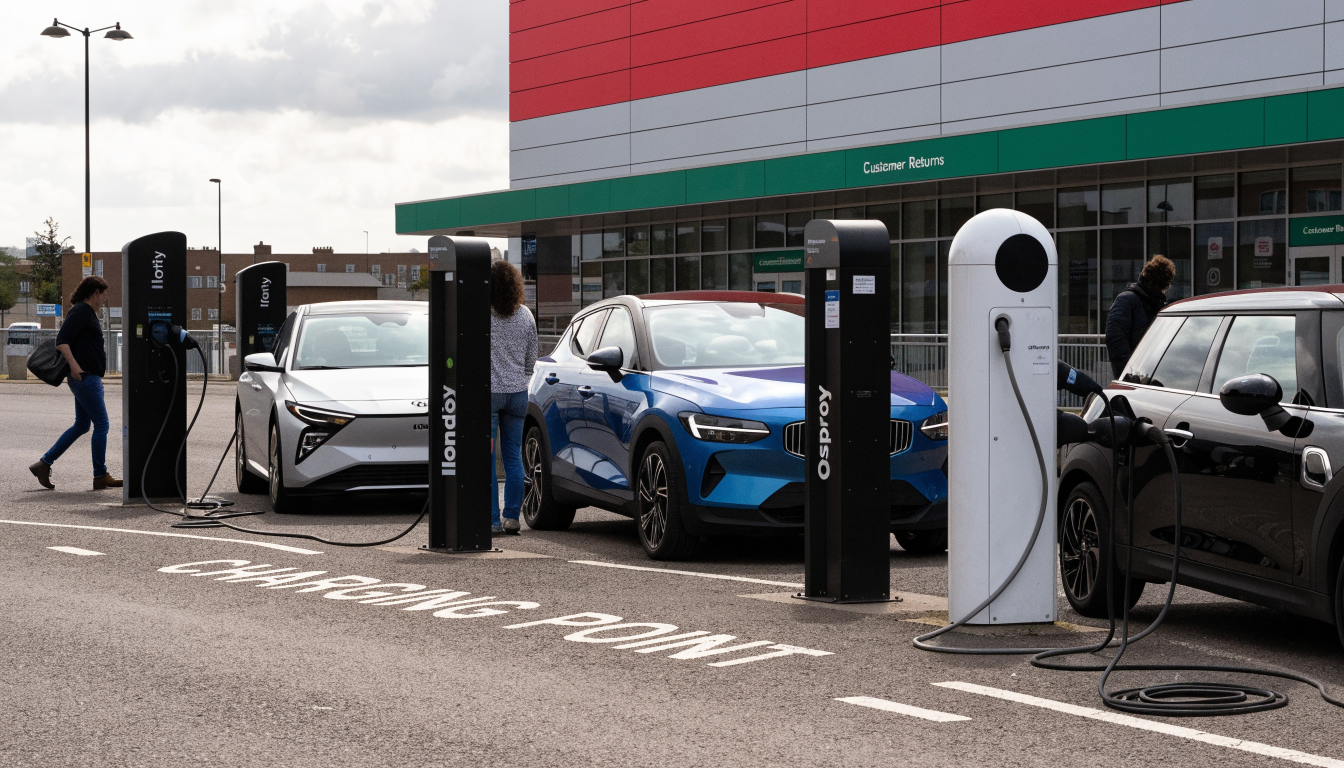
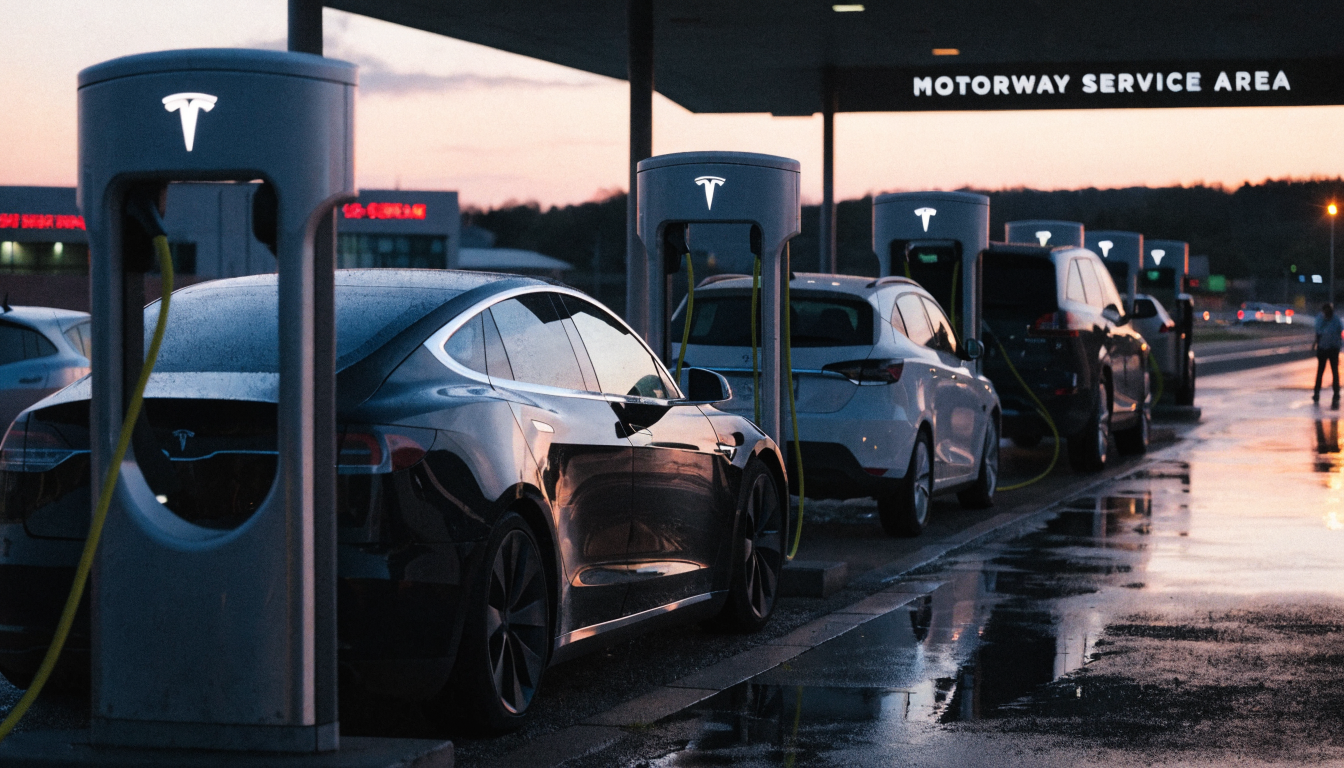
An EV charging network is a group of charge points run under one brand, one app and one price list, and no single one covers everywhere. That is the real thing to plan around. In the UK, Tesla's Supercharger network topped Zap-Map's driver survey for the second year running in 2025/26, though Ionity, MFG EV Power and Osprey all scored well too. In the US, Tesla leads rapid charging by sheer size, while Electrify America and EVgo fill most of the gaps it does not reach.
Why "network" means different things depending who's asking
Some networks own the hardware. Tesla, Ionity and Rivian build their own chargers, on land they lease or own, and set their own prices. Others are roaming deals instead. Ford's Blue Oval Charge Network in the UK does not build any chargers at all. It resells access to firms like GeniePoint and BP Pulse, through one single app. That is a genuinely useful convenience. It is still a different thing from owning a network outright. See the full picture in our public charging hub before you assume any one name covers your whole route.
A driver searching for the "best ev charging network" is often comparing two very different things by accident. One is a firm that owns real chargers. The other is an app that simply resells access to several other firms' chargers. That mismatch is where much of the confusion in online reviews actually comes from.
Why so many networks exist side by side
Charging infrastructure is expensive to build
A single rapid charging hub costs a serious sum to install and to connect to the power grid. Several firms building sites in parallel is normal for this kind of infrastructure. It is not a sign the market is broken. It is simply what building anything at national scale actually looks like along the way, whether that is charging points, mobile masts or petrol stations before them.
Car makers want their own brand loyalty
Tesla built the Supercharger network partly to help sell cars, not only to sell electricity. Rivian's Adventure Network, and Ford's Blue Oval branding, do something similar on a smaller scale. Each gives buyers a reason to trust one badge, even where the hardware underneath actually belongs to someone else.
Land deals are regional, not national
Motorway services, retail parks and fuel forecourts sign deals with one operator at a time, often on an exclusive basis. No single company can realistically cover every site in the country, even if it wanted to.
How to actually choose a network for a trip
- Check what sits on your specific route, not which network is biggest nationally. A network that dominates motorway services is no help at all on a quiet rural road.
- Check network reliability before you check cost. A slightly cheaper charger that turns out broken when you arrive costs you far more time than the saving was ever worth.
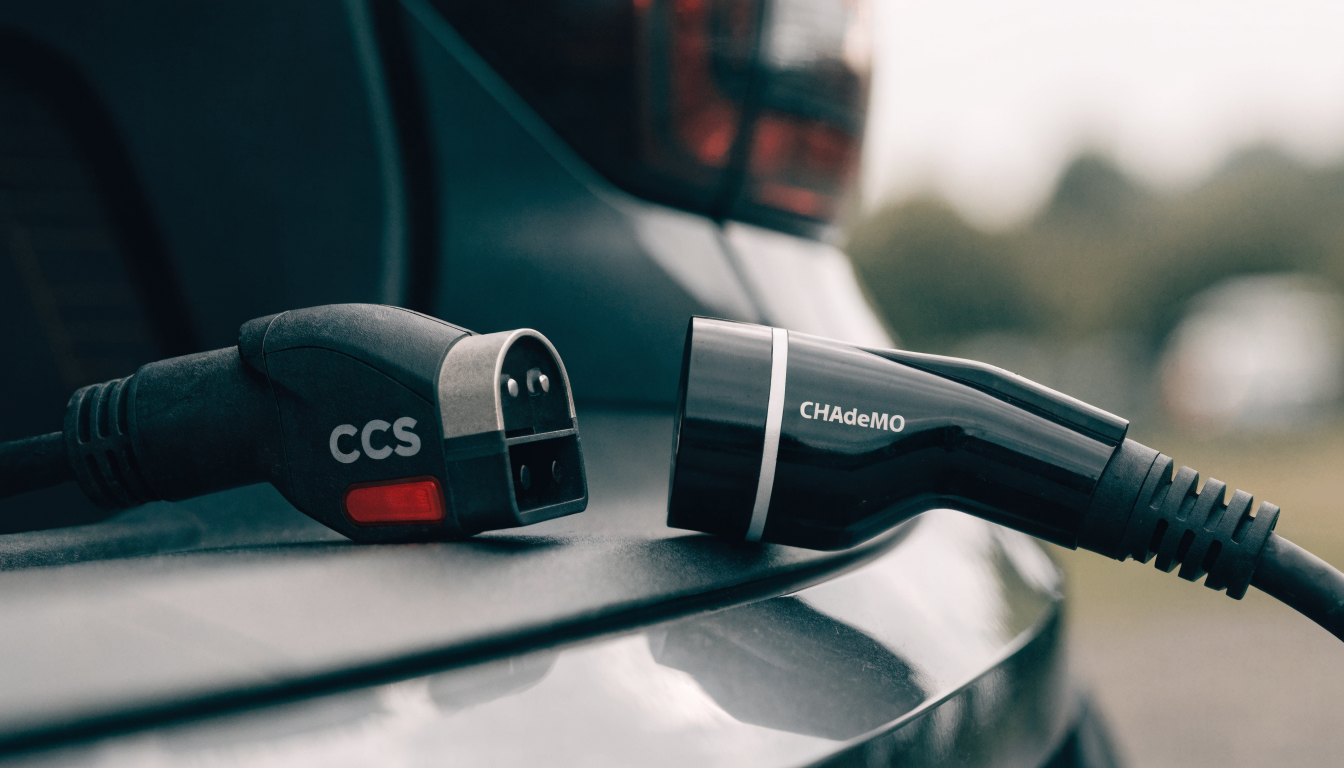
- Know your car's plug type and its maximum charge rate. A 350kW charger is wasted on a car that only accepts 50kW. Paying a premium for speed you cannot use is money down the drain.
- Pick one main app, but keep a backup network in mind too. Trusting a single provider means a local outage can leave you stranded with no plan B at all.
- Work out membership against pay-as-you-go before you actually need it, not while stood at a charger under time pressure with a low battery.
Comparing the networks that matter
None of these networks are trying to do the same job. Some chase motorway coverage. Others chase local top-ups near a supermarket or a gym. A quick table makes the differences far clearer than a long paragraph ever could, so use it to work out which type actually matches your own driving pattern before you commit to an app or a membership.
| Network | Type | Best suited to | 2025/26 standing |
|---|---|---|---|
| Tesla Supercharger (UK/US) | Owns its hardware | Long motorway legs | Zap-Map's top large UK network, 2 years running |
| Ionity (UK/Europe) | Owns its hardware | High-power motorway charging | Strong "EV driver recommended" rating |
| MFG EV Power / Osprey (UK) | Owns its hardware | Forecourt and local top-ups | Both "EV driver recommended" |
| Ford Blue Oval Charge Network (UK) | Roaming access via FordPass | One app for several networks | Not ranked on its own — it is a reseller |
| Electrify America / EVgo (US) | Own their hardware | Filling gaps outside Tesla's reach | Second and third largest by US port count |
What network size actually gets you
Size matters most on the days you cannot plan ahead. In the US, Tesla alone runs 36,877 of the country's 71,398 public DC fast-charging ports. That is a 51.6% share, spread across roughly 15,121 sites as of April 2026 (evchargingstations.com). That scale is why a Tesla-compatible car rarely struggles to find a rapid charger on a US road trip, even well off the main interstate.
The UK picture looks far more even. There are 119,080 public chargers nationally, with 27,372 rated rapid or above, as of 1 April 2026 (GOV.UK). No single UK network holds anything close to a majority share. That is exactly why trusting only one brand's app is riskier here than it would be in the US.
This is also why comparison sites can disagree so much about "the best network." A survey measures driver satisfaction on the sites people actually visited. Raw port count measures pure scale, whether or not drivers ever go near most of it. Neither figure alone tells you what will happen on your own next trip, so it pays to read both together rather than picking whichever number sounds most impressive.
When "best network" isn't the right question
If reliability genuinely decides your next stop, a network's yearly award matters less than its real uptime on your route, so look past the headline ranking rather than at it alone. If cost is what actually decides it for you, a membership fee for a network you rarely visit can end up costing more across a year than the pay-as-you-go premium it was meant to remove.
Sometimes the network is not even the real limit. Your own car's plug type and maximum charge rate matter just as much as which badge sits on the charger. It is worth checking your own car first, before blaming a "bad network" for what is actually a slow session on your end. A five-year-old car with an older battery management system, for instance, may simply never reach the peak rate a shiny new charger advertises, whatever network badge sits on the front of it.
What to do next
Read our dedicated guide to the Tesla charging network if that is the one you will lean on most. Compare rapid charging costs properly with our UK cost-per-mile breakdown before you assume the biggest name is automatically the cheapest one too.
Sources
- Zap-Map — Best EV charging networks UK 2025: driver satisfaction rankings
- GOV.UK — Public electric vehicle charging infrastructure statistics: 1 April 2026
- evchargingstations.com — Largest DC Fast-Charging Networks in the US: April 2026
- Zap-Map — Tesla public charging network guide
- County Garage — Ford BlueOval Charge Network explained
Common questions
What is the best EV charging network?
There isn't one answer for every driver. Tesla's Supercharger network topped Zap-Map's UK large-network survey for the second year running in 2025/26, largely on reliability, but the right network for you depends on what's actually on your usual routes rather than a single national ranking.
Is the Tesla ev charging network the same as an EV charging network generally?
No — Tesla's Supercharger network is one specific network among many. It happens to be the largest single rapid-charging network by port count in the US and a strong performer in the UK, but "EV charging network" also covers Ionity, BP Pulse, Electrify America, EVgo and dozens of smaller operators.
What is the Blue Oval Charge Network UK?
Ford's Blue Oval Charge Network in the UK isn't Ford's own hardware. It's a roaming arrangement, accessed through the FordPass app, that bundles access to third-party operators such as GeniePoint and BP Pulse under one account — closer to an aggregator than a network Ford actually built.
How does the Rivian charging network fit into this comparison?
Rivian's Adventure Network is a US-only, Rivian-built network, similar in structure to Tesla's Supercharger network but far smaller — under 1,000 charging stalls against Tesla's tens of thousands. It has opened to non-Rivian EVs at almost all of its sites since 2024–2025, and it keeps adding new locations every quarter.
Why does the Ford Blue Oval charging network use other companies' chargers?
Building a nationwide charging network from scratch is far more expensive than partnering with operators who already have one. Ford chose to resell access to existing rapid-charging hardware through a single branded app, rather than build and maintain physical chargers itself.
About the author
ElectraMile EditorialEditorial desk
The ElectraMile editorial team covers charging, running costs and EV ownership for readers in the UK and US.
Spotted something wrong? Tell us — we correct and date every change.
Figures shown for United Kingdom in GBP. Switch market in the header to see local pricing and terminology.