Tesla charging near me: how to find it and what it costs
Finding Tesla charging near you takes the right app, not a general search. Here's exactly where to look, what a session costs, and when membership actually saves money.
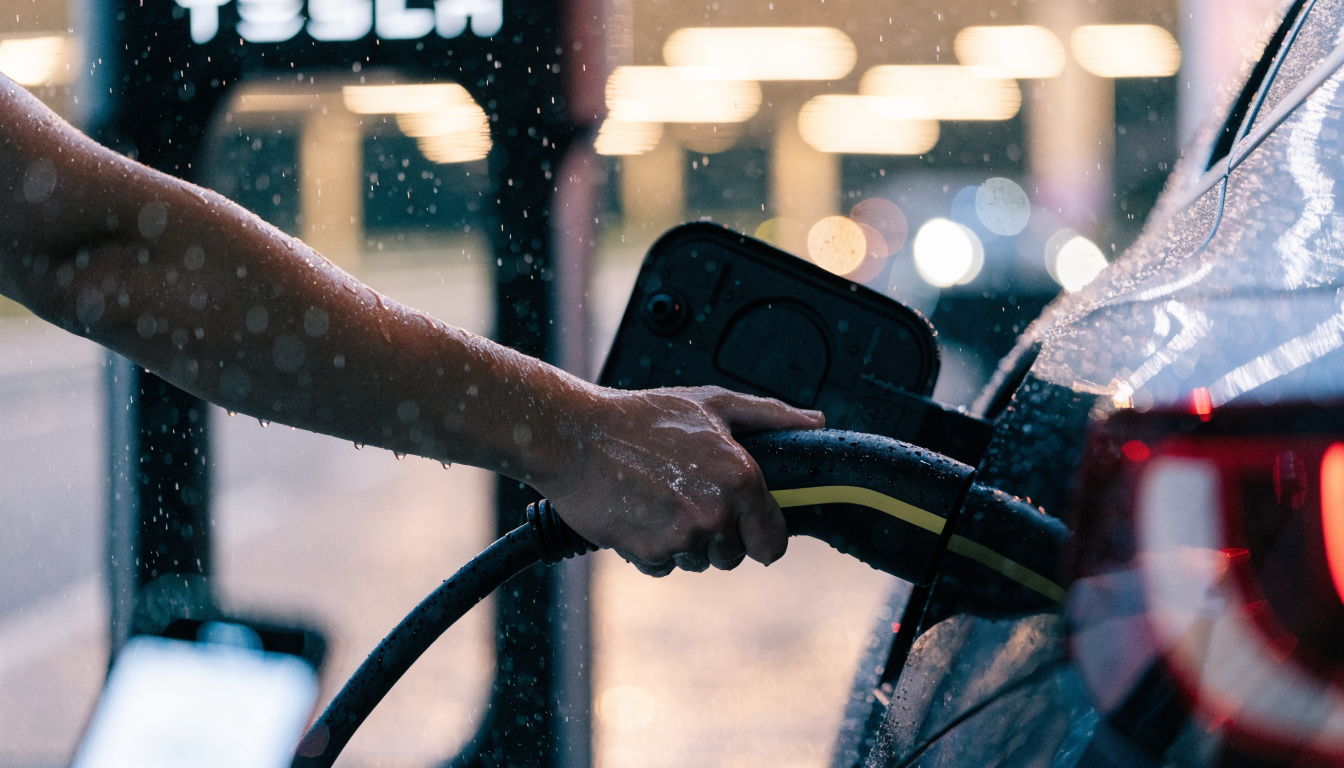
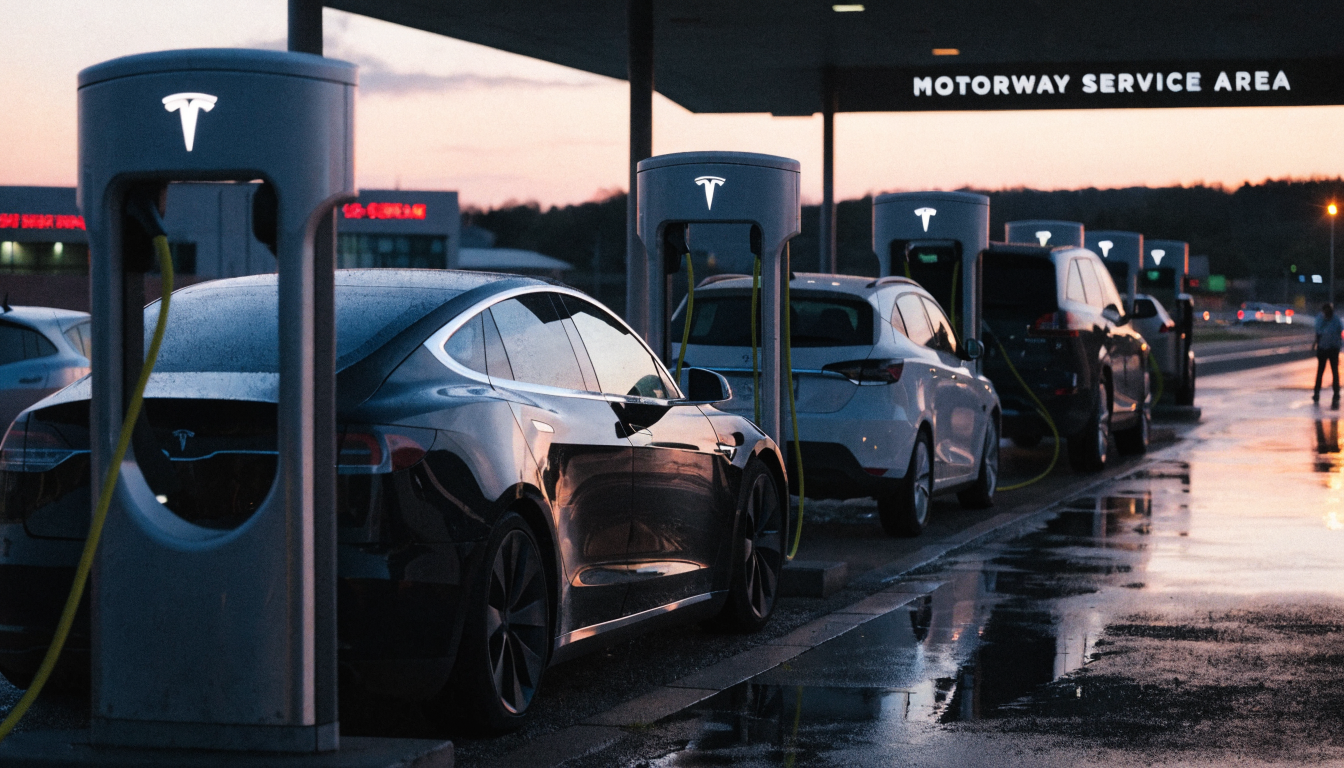
The fastest way to find Tesla charging near me is the Tesla app itself, not a general map search. The app shows which sites are actually open right now, and how many stalls are free. Non-Tesla drivers should use its "Charge Your Non-Tesla" filter too, so results only show sites that will let their car plug in, since not every Supercharger takes other brands yet. A plain search engine will happily send you to a Tesla-only site with no warning at all.
What you're actually trying to work out
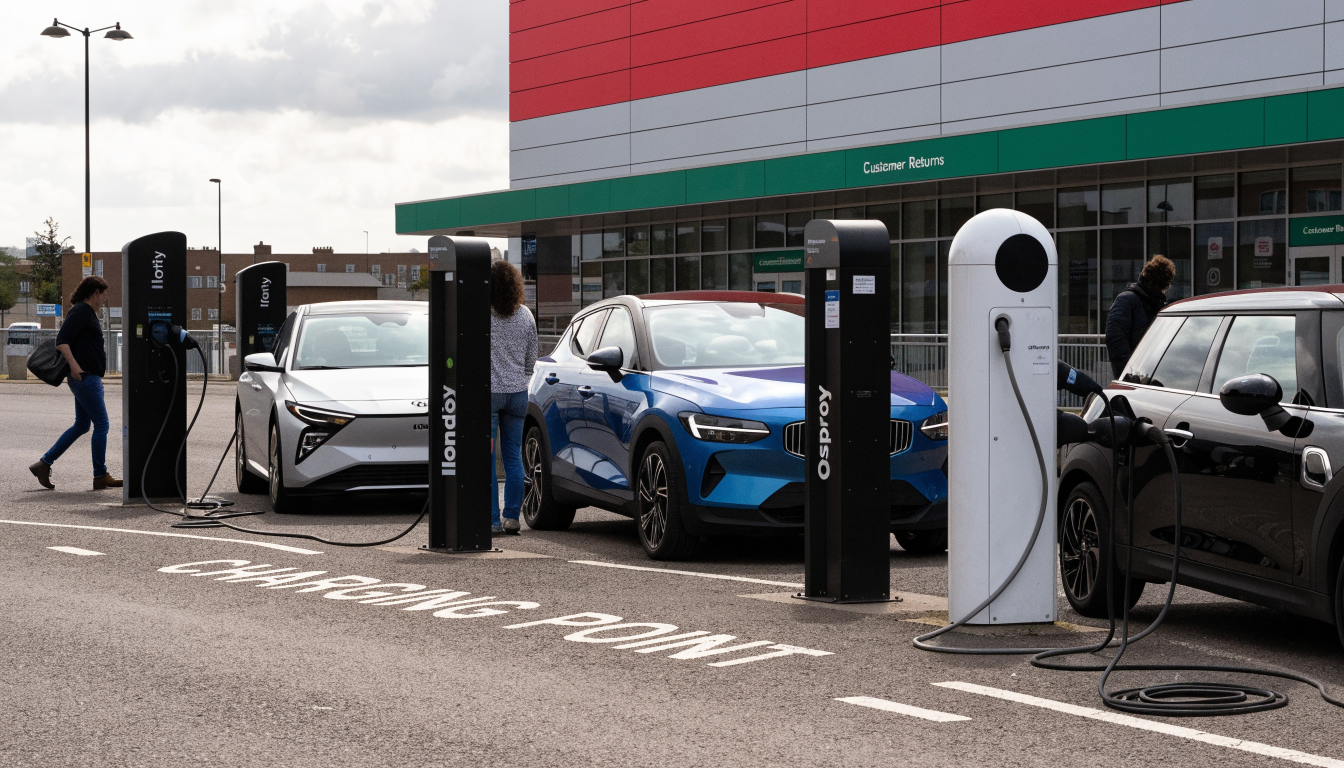
"Tesla charging near me" usually hides three separate questions at once. Where is the nearest site? Will my car actually be allowed to use it? What will it cost once I get there? A generic map only answers the first question. That is why drivers sometimes arrive at a perfectly real Tesla site and still cannot charge. The wider public charging picture matters here too, since Tesla is only one option among many on most routes.
The confusion gets worse for a simple reason. Tesla runs two different kinds of charging point under one badge. Rapid Superchargers exist for a quick motorway top-up. Slower Destination points sit at hotels and pubs, and work more like a separate network in all but name. Searching "near me" mixes both into one list, unless you tell the app which one you actually want to see.
None of this is unique to Tesla, either. Every major charging brand runs into the same problem once its network gets big enough. A plain "near me" search is a blunt tool. It cannot tell you whether the plug type matches your car, whether the price is fair, or whether the site is actually working today rather than out of order. Treat any general map result as a starting point, not a final answer, and check the detail with a dedicated app before you commit to a diversion.
Why the search results don't tell you everything
Not every pin on the map is open to you
Some Superchargers stay reserved for Tesla owners only. A plain map does not tell open sites and closed ones apart. The dedicated non-Tesla filter in the Tesla app does exactly that, which is the whole reason it exists in the first place. Skipping this step is the single most common reason a driver turns up at a Tesla site, plugs in, and gets no response from the charger at all.
Live availability changes by the hour
A site can look free on the map and be fully occupied by the time you actually arrive. This happens most near motorway services at peak travel times, especially on a Friday evening or a bank holiday weekend, when everyone seems to leave at once. The app's real-time stall count beats a static listing on a third-party site almost every time, so trust the number that updates over the one that does not. Checking a site's reliability history before you set off helps too, since a site that fails often will feel busy even when demand alone doesn't explain it.
"Near me" ignores whether your car is even compatible
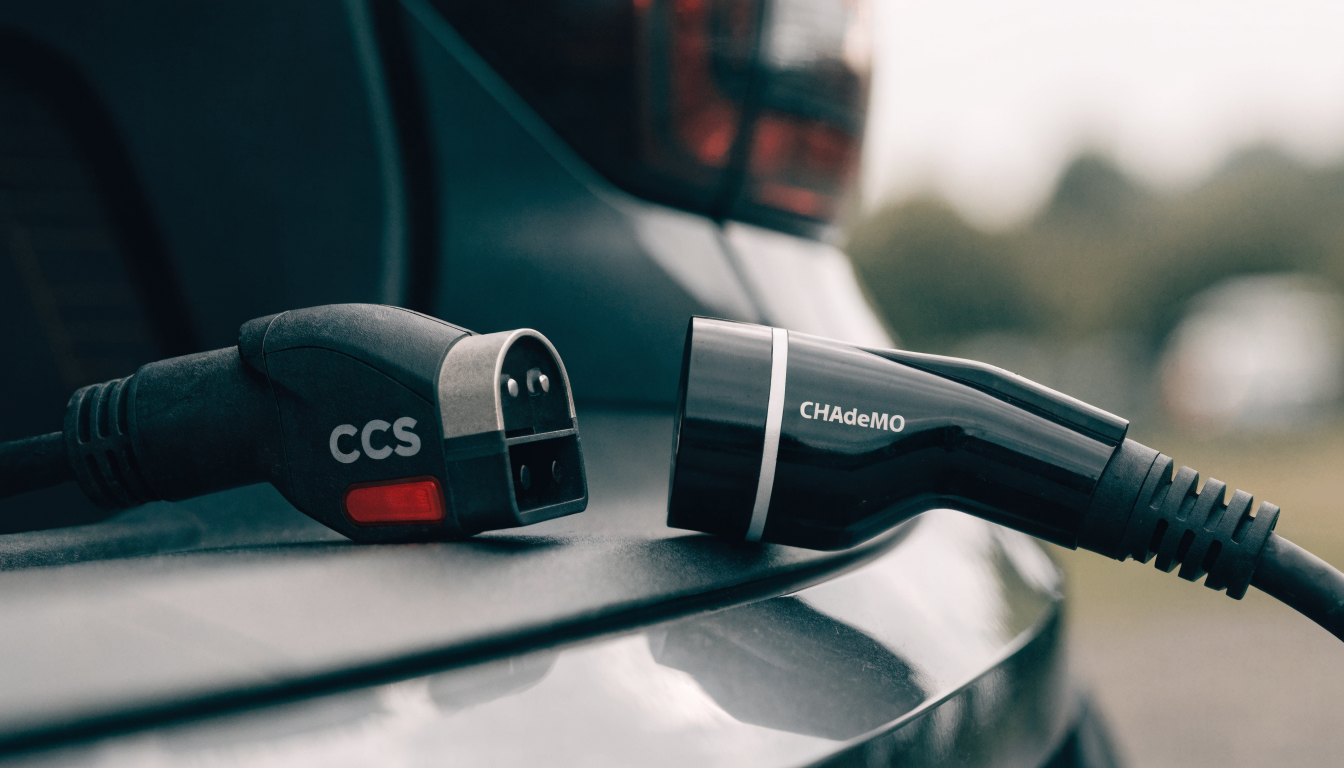
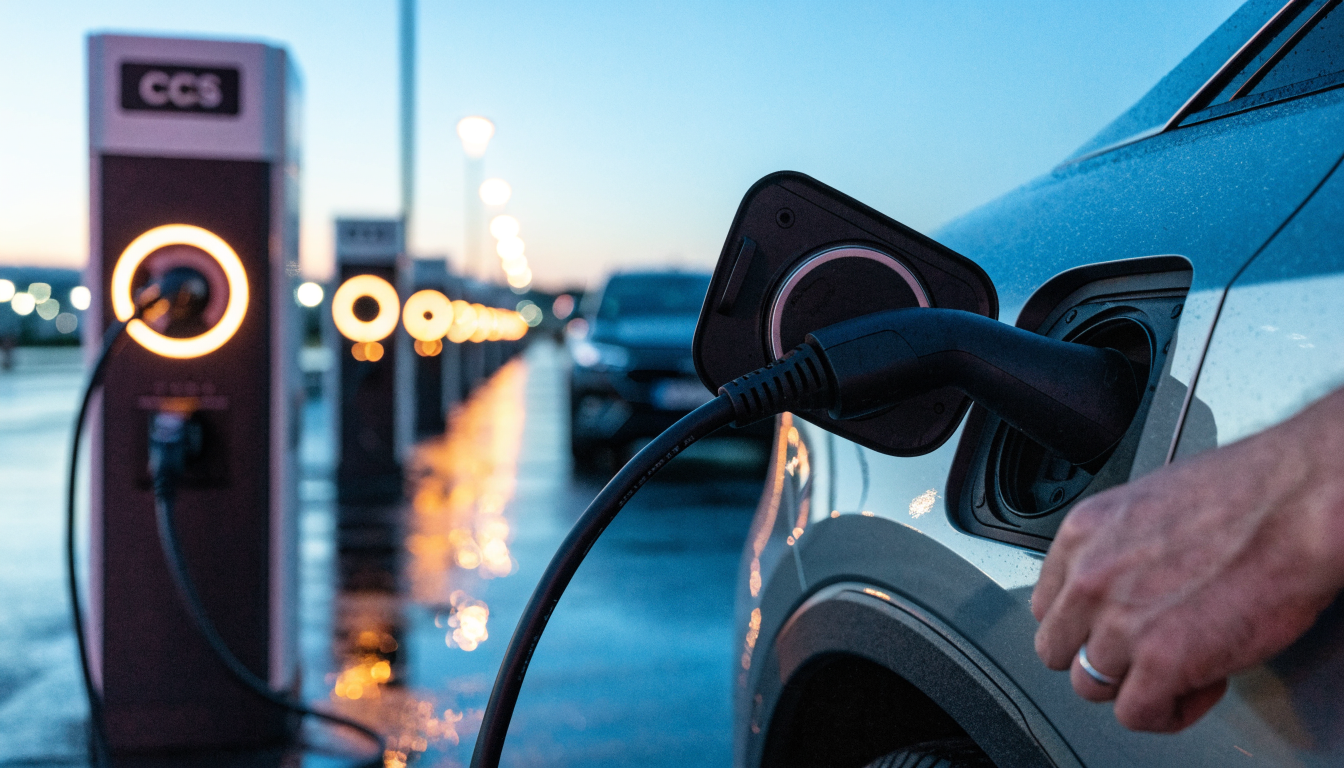
A search box does not know your plug type. In the UK and Europe, that rarely matters, since Superchargers use the standard CCS2 plug that most cars already have. In the US, though, an older Supercharger may need a Magic Dock adapter that your car does not carry.
How to actually find and use one
- Open the Tesla app first, not a general search engine, and let it use your current location.
- Filter for non-Tesla access if that applies to you, so Tesla-only sites drop out of the results before you even set off.
- Check the live stall count, not just the pin on the map. A site showing zero free stalls is worth skipping in favour of the next nearest option.
- Confirm the connector for your region. UK and European sites use CCS2 with no adapter needed. US sites may need a Magic Dock or a NACS adapter, depending on the age of the Supercharger installed there.
- Start the session from the app itself, since non-Tesla charging is usually billed there, rather than through contactless payment at the stall.
- Cross-check with a third-party app, such as Zap-Map, if you want a second opinion before you commit to a longer diversion off your route. A minute spent comparing two apps beats arriving at a broken charger with ten miles of range left.
What a session actually costs
Take a realistic top-up. A 60kWh battery charged from 20% to 80% is 36kWh of energy. At the UK non-member rate of roughly 63p per kWh, at Tesla's 150–400kW stalls, that session costs 36 × £0.63 = £22.68 (Zap-Map, 2026). That is the Tesla public charging cost most non-Tesla drivers should expect for a typical top-up, before any small site-by-site variation is added on.
Four sessions like that across a year already come to £90.72. That is more than Tesla's £90 annual non-Tesla membership fee. So if you use Superchargers more than roughly once every three months, the annual membership is likely to pay for itself. That is true even before you count whatever per-kWh discount the membership unlocks on top of the flat fee (Zap-Map, correct as of the 2024 pricing update — check the current rate in the app, since Tesla adjusts pricing by site and by season). Occasional drivers who charge on Superchargers only once or twice a year are usually better off staying on pay-as-you-go instead, since the flat fee simply has less time to earn its keep.
| Usage pattern | Pay-as-you-go cost (approx.) | Worth the £90/year membership? |
|---|---|---|
| Once or twice a year | £22.68–£45.36 | Usually not |
| Roughly quarterly | £90.72+ | Breaks even or better |
| Monthly or more | £272+ | Clearly yes |
When this isn't the right search at all
Sometimes your nearest open Supercharger sits genuinely out of the way, compared with another rapid network on the exact same road. In that case, chasing the Tesla-branded result specifically makes little sense. The fastest, cheapest charger nearby is sometimes a completely different brand. Our EV charging network comparison is worth a look before you commit to one badge out of habit.
If you are relying on "free Tesla charging near me" results, be sceptical. Most of what ranks for that phrase online is either years out of date, or restricted to hotel guests only. It is rarely worth planning a whole route around a search result that promises something for nothing. A quick check of the actual site listing, rather than the headline of the article that mentions it, usually clears up the confusion in under a minute. Treat any claim of free rapid charging as unlikely until the app itself confirms it, rather than the other way round.
What to do next
Read the full picture in our Tesla charging network guide before your next trip. Then compare rapid charging costs properly with our UK rapid network cost-per-mile breakdown, so you know whether the nearest Supercharger is actually your cheapest option too, not just your most familiar one.
Sources
Common questions
What's the fastest way to find a Tesla charge points map?
Open the Tesla app rather than a general map search — it shows live stall availability, not just locations. If you don't drive a Tesla, use the app's "Charge Your Non-Tesla" filter so you only see sites that will actually let your car plug in.
Is there such a thing as free Tesla charging near me?
Almost never for Supercharger sites now. What sometimes shows as free is Tesla's separate Destination Charging network at hotels and pubs, which is usually restricted to guests staying there rather than open to any passing driver. Search results that promise free rapid charging are usually years out of date, so treat them with real caution before you plan a trip around one.
What is the typical Tesla public charger cost per session?
At the UK non-member rate of roughly 63p per kWh, topping up a 60kWh battery from 20% to 80% (36kWh) costs about £22.68. The exact Tesla public charging cost varies by site and time of day, so treat that as a working estimate rather than a fixed price.
Does the non-Tesla membership actually save money?
It can, if you charge on Superchargers reasonably often. At roughly £22.68 per 36kWh session, four sessions a year already costs more than the £90 annual membership, so anyone charging on the network more than about once every three months is likely to come out ahead.
Do I need to use the Tesla charging network for tesla charging near me at all?
No — it's the biggest option in most areas but rarely the only one. Comparing it against nearby rapid chargers on cost and reliability, rather than assuming the Tesla site is automatically best, is worth the extra two minutes on a route with real alternatives.
About the author
ElectraMile EditorialEditorial desk
The ElectraMile editorial team covers charging, running costs and EV ownership for readers in the UK and US.
Spotted something wrong? Tell us — we correct and date every change.
Figures shown for United Kingdom in GBP. Switch market in the header to see local pricing and terminology.