BYD Seal review: is it worth buying over a Tesla Model 3?
The BYD Seal undercuts nothing and still sells well. We compare its trims, range and interior against the Tesla Model 3 to see where the extra badge risk actually pays off.
DisclosureSome links on this page earn ElectraMile a commission. It never changes what we recommend.
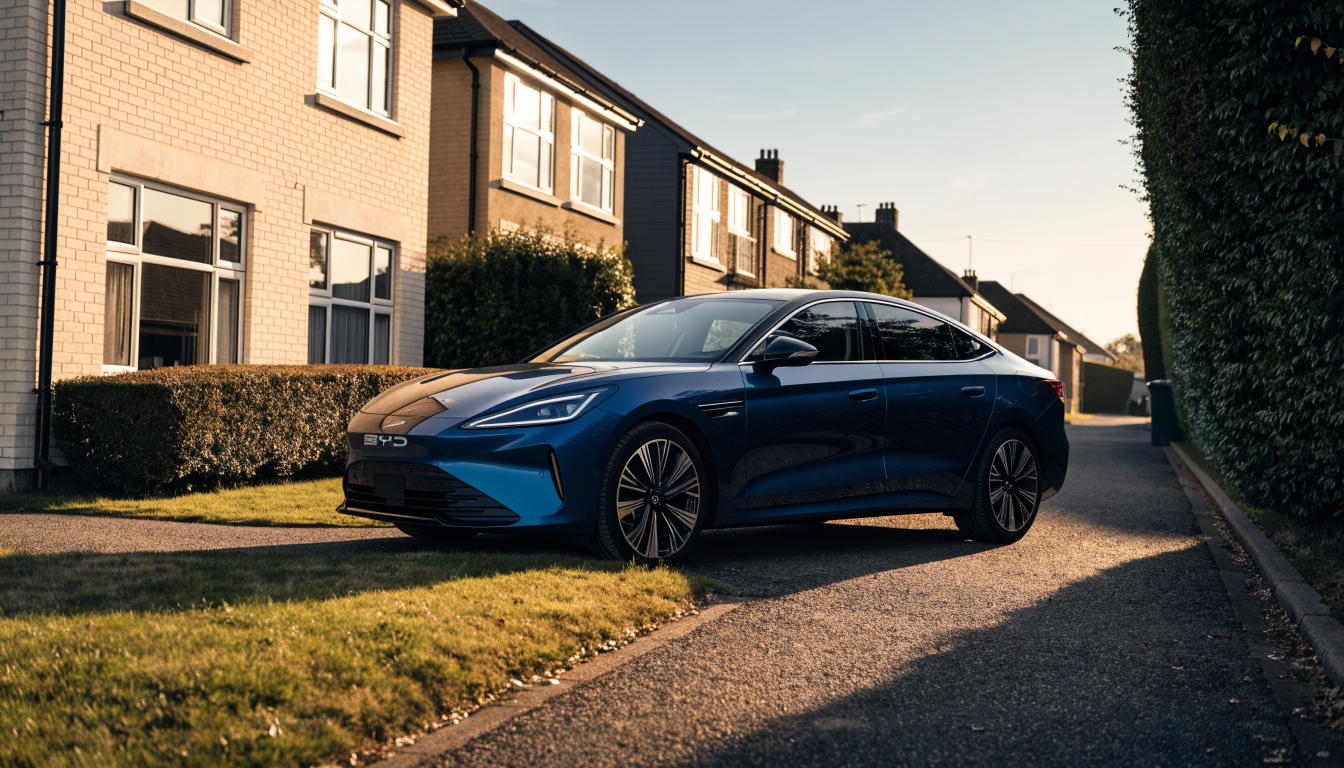
Yes — the BYD Seal is a genuine rival to the Tesla Model 3, not a budget alternative to it. Prices start at £45,730 for the rear-wheel-drive Design, rising to £48,730 for the all-wheel-drive Excellence, both close to Tesla money. BYD backs the car with an eight-year, 155,350-mile battery warranty. The trade you make is a shorter list of charging options, in return for a plusher cabin and, on the entry trim, a longer WLTP range than the equivalent Tesla.
The question behind "BYD Seal"
Most people typing "BYD Seal" into Google are not asking what it is. They already know it is an electric saloon from a Chinese manufacturer that overtook Tesla as the world's biggest EV maker by volume in 2024. What they actually want to know is whether it stands up against the car everyone already trusts, the Tesla Model 3.
There is also a naming trap worth clearing up early. BYD sells a second, larger model called the Seal U, a mid-size electric SUV rather than a trim level or a facelift of the saloon covered here. If a listing or a forum thread mentions the Seal U, it is describing a different car with a different body and a different price.
The honest answer to "is it worth it" depends on what you value. Some drivers want outright driving sharpness and access to Tesla's charging network. Others want a calmer, more premium-feeling cabin for similar money.
What you actually get for the money
BYD sells the Seal saloon in just two trims, and the difference between them is bigger than a badge.
Design: the rear-wheel-drive car
The Design starts at £45,730 on the road. A single rear motor produces 226kW (312PS) and 360Nm of torque, good for 0-62mph in 5.9 seconds. Because it only drives one axle, it also carries the longer official range of the two: 354 miles WLTP from the shared 82.5kWh battery.
Excellence: the all-wheel-drive flagship
The Excellence costs £48,730 and adds a second motor over the front axle, taking total output to 385kW (530PS) and 670Nm. That is enough for a 3.8-second 0-62mph time, quicker than most hot hatches. Range drops to 323 miles WLTP in return, because the extra motor and weight both take a toll on efficiency.
Both trims share a 15.6-inch rotating touchscreen and a 10.25-inch digital instrument cluster, plus a 12-speaker Dynaudio sound system and heated, ventilated leather-trimmed front seats. Both have a 485-litre boot plus a 72-litre front "frunk" for the charging cables, though only the Excellence adds a head-up display. Either way, both trims comfortably clear how much EV range you actually need for the vast majority of UK driving, so the range gap between them matters less than the price gap.
How to decide if the Seal is right for you
Work out what you actually drive like first. The Model 3 still edges it if you enjoy a car that reacts instantly and feels tied down through corners, and reviewers consistently describe the BYD as more comfortable but less precise. The Seal's softer suspension works in your favour if you would rather the car absorbed potholes than chased apexes. A nearly-new example of either car can undercut its list price if you buy through the used market and check it with our used EV buying guide once first-owner depreciation has landed.
Check whether you actually need a Supercharger. Tesla owners get priority access to the UK's largest and most reliable rapid network. BYD Seal owners use the same public CCS network as every other electric car, now much bigger than it was but still patchier in reliability than Tesla's own stations. This matters more than the spec sheet suggests if you do a lot of unplanned long trips.
Decide whether AWD is worth the range you give up. The Excellence's extra power is genuinely fast, but the Design already beats most family cars' 0-62mph time. The cheaper, longer-range Design is the sensible default, unless you specifically want the acceleration or extra grip in winter.
Sit in both before you commit either way. The Seal's dashboard uses physical stalks and a conventional drive selector, while the Model 3 strips almost everything into the central touchscreen. Owners tend to feel strongly about which they prefer, and no spec sheet will settle that for you.
BYD Seal vs Tesla Model 3
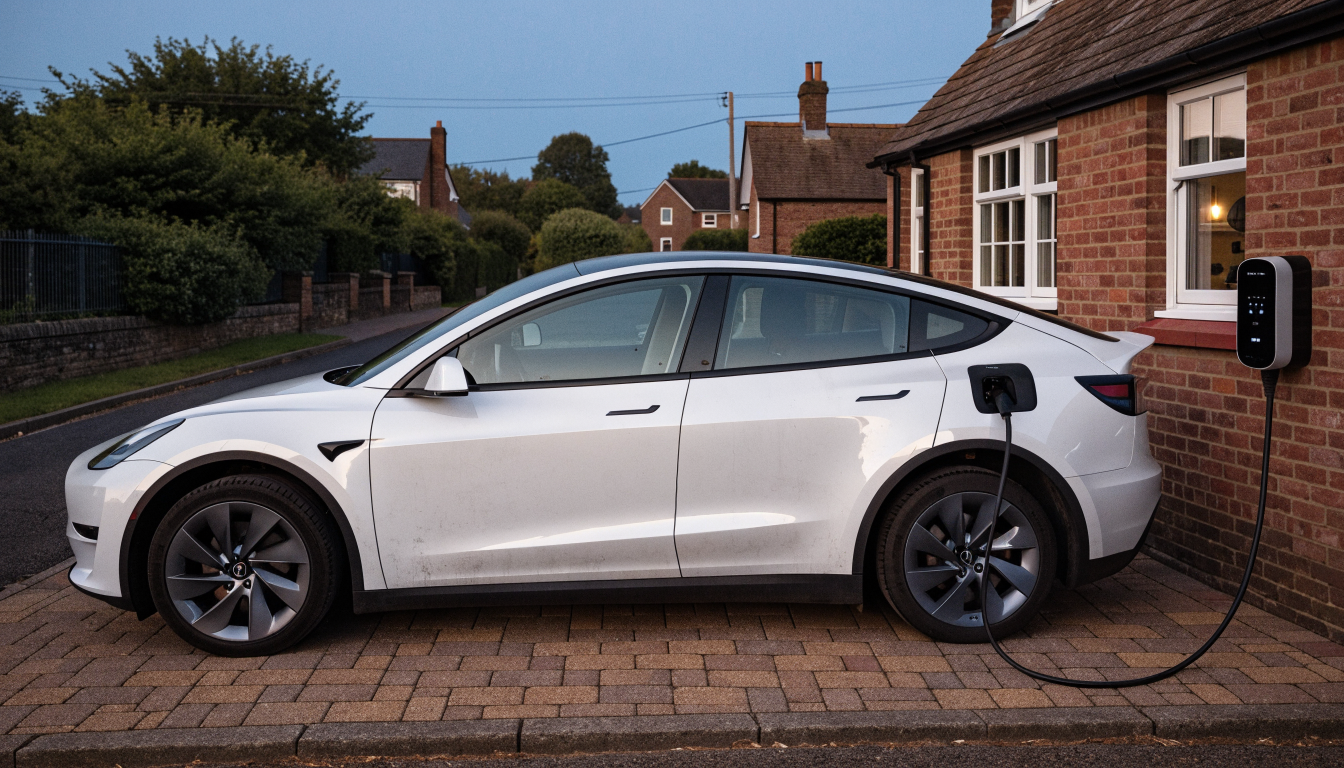
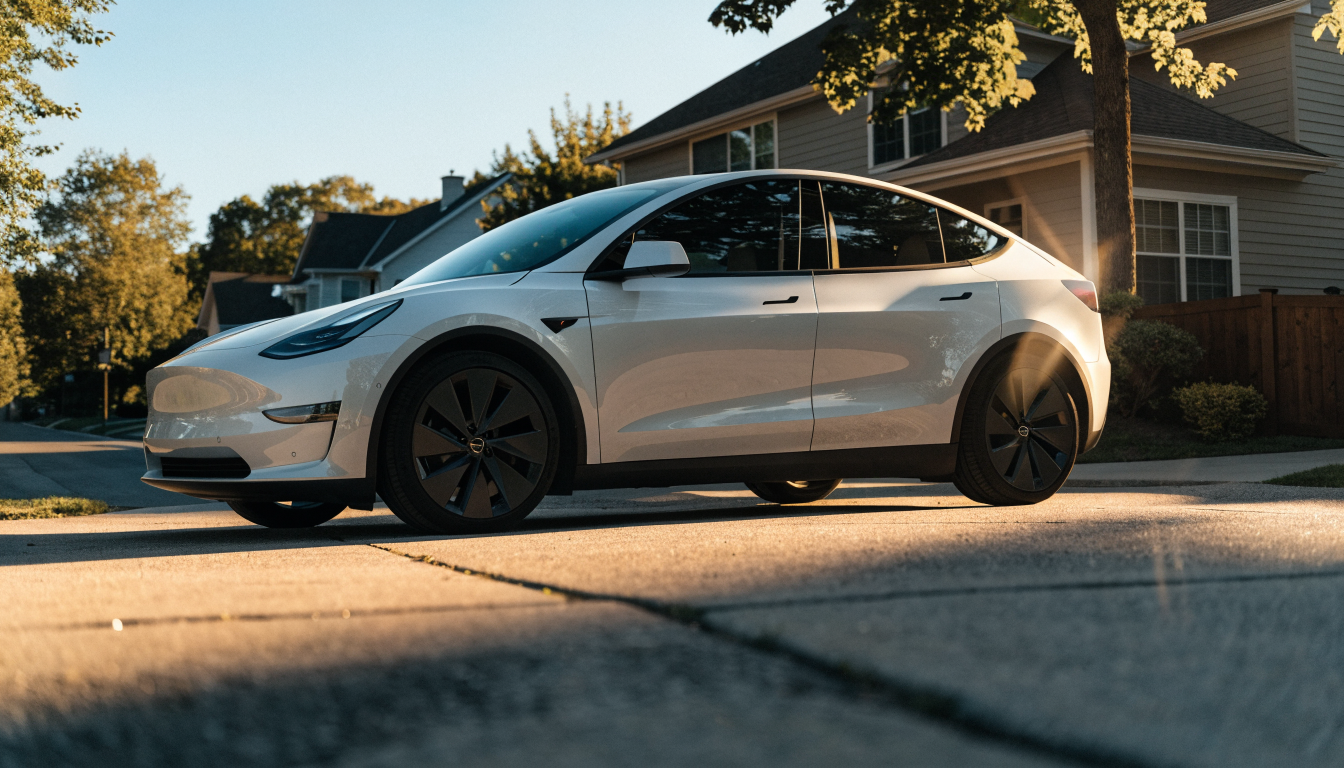
Tesla's line-up starts lower still: the rear-wheel-drive Standard Model 3 costs £37,990, almost £8,000 less than the Seal Design. It runs a smaller battery, though, and skips equipment both Seal trims include as standard, so the fairer comparison is trim-for-trim, below.
| BYD Seal Design | BYD Seal Excellence | Tesla Model 3 AWD | |
|---|---|---|---|
| Price (OTR) | £45,730 | £48,730 | £49,990 |
| Drive | Rear-wheel | All-wheel | All-wheel |
| WLTP range | 354 miles | 323 miles | 421 miles |
| 0-62mph | 5.9 sec | 3.8 sec | Under 5 sec |
| Best for | Comfort, range for money | Pace at lower cost | Range and Superchargers |
The pattern is consistent across independent tests: the Model 3 wins on range and on how it drives, while the Seal counters with a plusher interior and a similarly aggressive AWD price. Neither undercuts the other by a meaningful margin, so this is a genuine choice, not a foregone conclusion.
What it costs to own
Every Seal comes with a six-year, 93,750-mile vehicle warranty and an eight-year, 155,350-mile battery warranty, both longer on paper than Tesla's four-year, 50,000-mile vehicle cover. Tesla's battery warranty, though, is broadly comparable in duration.
Residual values are the real unknown with any newer brand. Auto Express's analysis puts the Seal's projected retained value at 48% after three years, respectable for a car without decades of used-market history behind it. It remains a projection, though, not a track record.
BYD is pushing hard to build UK market share, so finance offers on the Seal are frequently competitive. Check current PCP and HP rates on both cars rather than assuming the Tesla is automatically the cheaper route into ownership.
When the Seal is not the answer
The Model 3's Supercharger access is a genuine, measurable advantage, not just brand loyalty. That matters most if motorway reliability is everything to you, because you cover big miles with no time to gamble on a broken charger. It also matters if you already own another Tesla and want one app and one account for the whole household.
The Seal also has less UK service history than Tesla, whose cars have been on British roads for over a decade. A long, provable dealer and independent-garage track record still weighs towards the more established brand for now.
What to do next
Work out your budget before your badge preference. Our guide to the best electric cars under £30,000 covers cheaper ground entirely, if £45,000-plus is more than you want to spend.
Both the Seal and the Model 3 are worth cross-shopping properly rather than deciding on reputation alone. Browse our other EV model guides for the rest of the field before you sign anything.
Sources
Common questions
Is the BYD Seal an electric car?
Yes. The Seal is a battery-electric saloon with no petrol option, built around an 82.5kWh battery shared by both trims. It comes as a single-motor rear-wheel-drive Design or a dual-motor all-wheel-drive Excellence, with WLTP ranges of 354 and 323 miles respectively, as of August 2026.
Is the BYD Seal U the same car as the BYD Seal?
No. The Seal U is a separate, larger BYD model — a mid-size electric SUV — not a trim or version of the Seal saloon covered here. If you are cross-shopping listings, check the body style, since the two cars have different prices and different boots.
What does the BYD Seal Excellence trim add over the Design?
Excellence adds a second, front motor for all-wheel drive, taking power from 226kW to 385kW and cutting the 0-62mph time from 5.9 to 3.8 seconds. It also adds a head-up display; the touchscreen, sound system and seats are shared with the Design.
Is the BYD Seal a good electric car to buy?
Independent reviews rate it well: Auto Express scores it 3.5 out of 5, praising the range and interior quality but noting it does not undercut rivals like the Tesla Model 3 on price, and that it drives comfortably rather than sharply. It is a genuine contender, not a compromise buy.
How much does the BYD Seal cost in the UK?
From £45,730 on the road for the rear-wheel-drive Design, rising to £48,730 for the all-wheel-drive Excellence, as of August 2026. Both trims sit close to equivalent Tesla Model 3 pricing rather than undercutting it, so budget accordingly rather than expecting a bargain price tag.
What is the BYD Seal's interior like?
Both trims get a 15.6-inch rotating touchscreen, a 10.25-inch digital instrument cluster, a 12-speaker Dynaudio sound system and heated, ventilated leather-trimmed front seats. Reviewers describe the cabin as more premium-feeling than the price suggests, with physical stalks and a conventional drive selector rather than Tesla's minimalist approach.
About the author
ElectraMile EditorialEditorial desk
The ElectraMile editorial team covers charging, running costs and EV ownership for readers in the UK and US.
Spotted something wrong? Tell us — we correct and date every change.
Figures shown for United Kingdom in GBP. Switch market in the header to see local pricing and terminology.