What a Tesla Battery Replacement Really Costs in 2026
Most Tesla owners never pay for a new battery pack. Outside the 8-year warranty, a full replacement runs into five figures - what it actually costs, by model, and cheaper routes worth trying first.
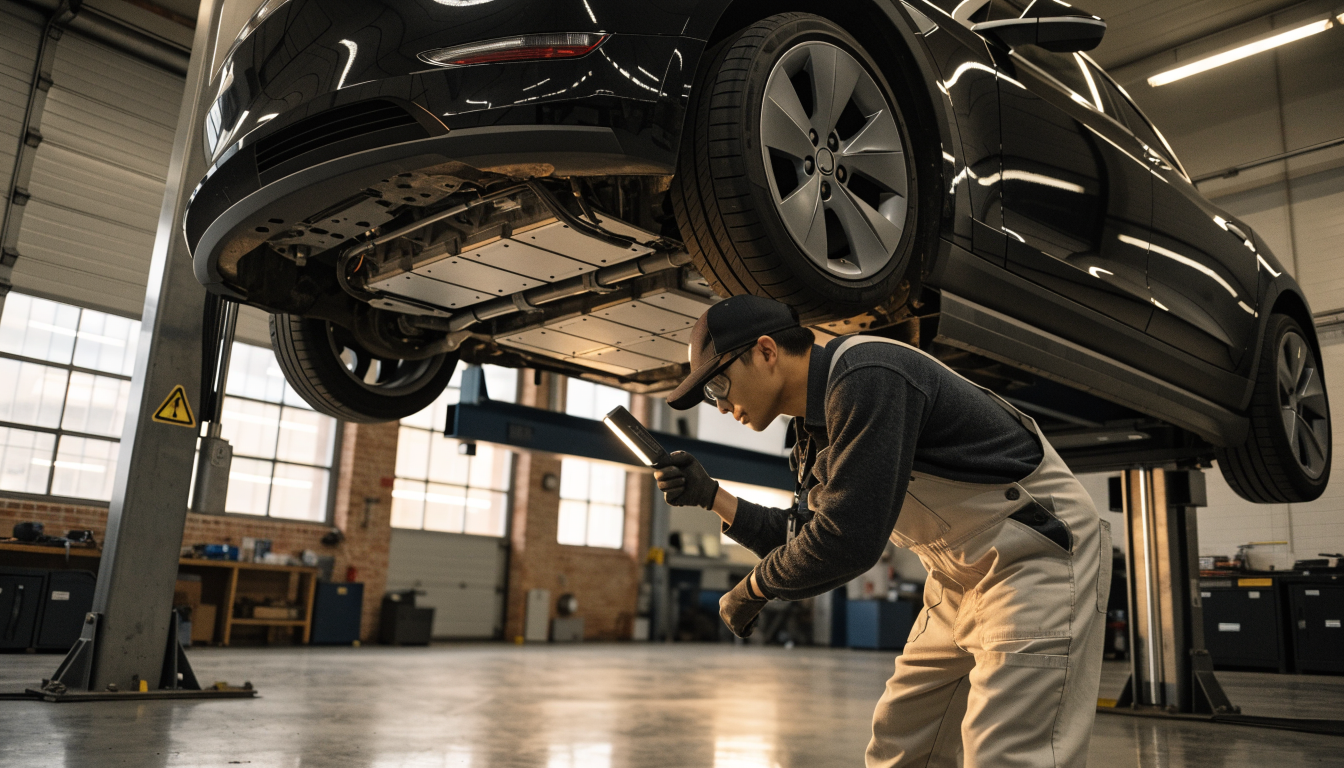
A Tesla battery replacement cost of five figures is the number that scares people off EVs. Here is the real figure: in the UK, a full pack swap outside warranty runs £8,000 to £20,000, and in the US it runs $12,000 to $22,000, depending on the model. Very few owners ever pay this, because Tesla's eight-year battery warranty covers most packs well inside that window. The figure still matters anyway — it is the ceiling on a worst-case repair, and it shapes resale prices and insurance write-off decisions on every used Tesla.
What you are worried about
You have probably read a headline about a $20,000 battery bill, and wondered whether your own Tesla, or the used one you are eyeing up, is a ticking financial time bomb. It is a fair worry: a traction battery is the single most expensive part of an EV, often close to a third of what the whole car cost new. This sits inside our wider EV ownership and maintenance guides, because cost is only half of what matters here.
The fear gets worse because the quoted number varies wildly: one article says £5,000, another says £20,000, and a third quotes over $80,000 for a different brand entirely. None of them are lying — they are describing different repairs. A full new pack from Tesla, a refurbished pack from a specialist, and a single faulty module are three different jobs, each with a different price tag, and most articles do not say which one they mean.
The honest answer needs all three numbers, plus the one thing that decides which applies to you: whether the car is still under its battery warranty.
Why replacement costs vary so much
What actually needs replacing
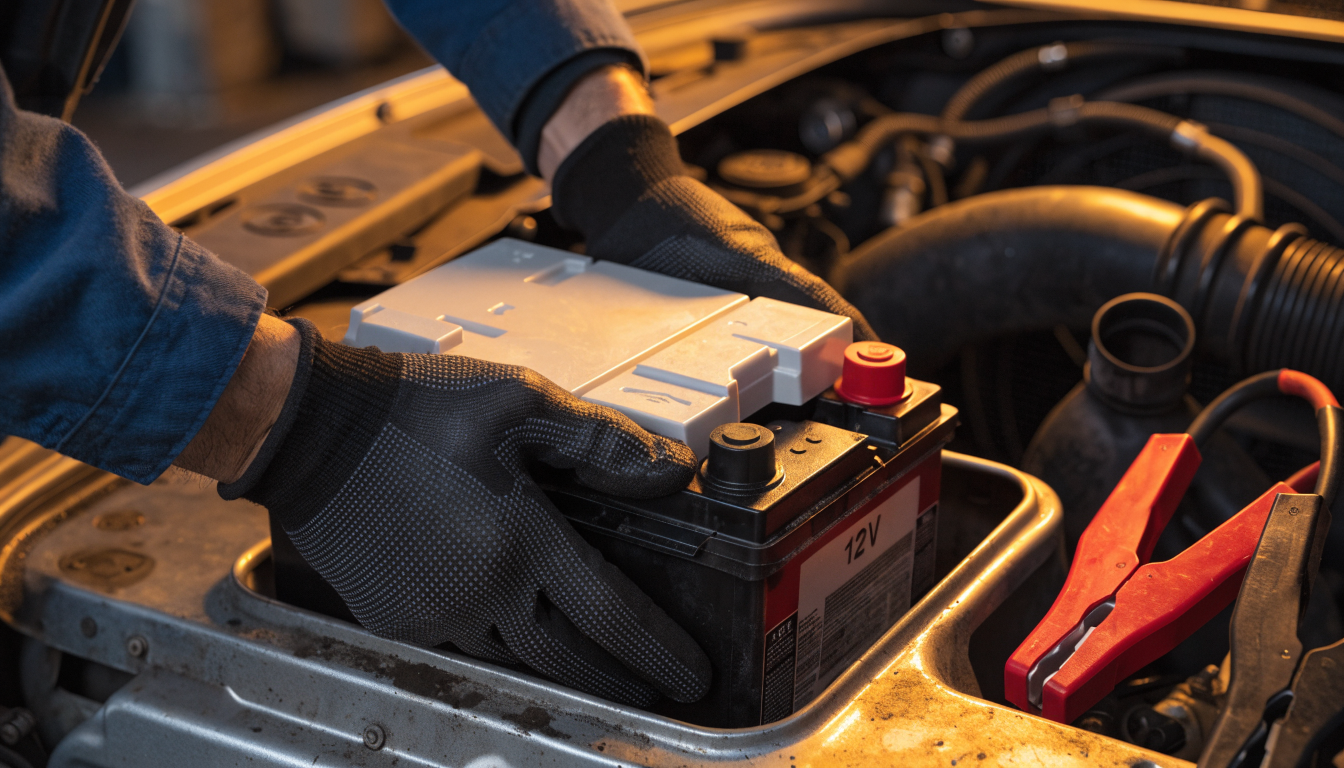
"Battery replacement" covers three different repairs. A full pack swap pulls out the whole underfloor battery and fits a new one — the most expensive option, and the one most headlines describe. A refurbished pack, built from reconditioned, tested modules, does the same job for roughly 30 to 40% less. A module-level repair replaces only the faulty section of the pack, and is cheaper again, often around a third of a full pack's price. Most independent specialists try this route first, because most real-world failures turn out to be a single bad module, not a total pack failure.
What drives the price within each option
Battery chemistry matters too. Older Model S and Model X packs use nickel cobalt aluminium (NCA) cells, which cost more to replace than the nickel manganese cobalt (NMC) cells in most Model 3 and Model Y cars. Standard-range Model 3 and Model Y cars now use lithium iron phosphate (LFP) cells instead, which typically cost 15 to 20% less to replace than an NMC pack of similar size. Labour adds £1,500 to £3,000 on top of the pack itself, or roughly $2,000 to $3,000 in the US, and where you get the work done matters too: a Tesla service centre, an independent EV specialist, and a salvage-parts fitter can quote three very different totals for the same job.
How to find your real number, not the headline figure
Do not start from a generic average. Work through these steps in order.
- Check whether you are still under warranty. Tesla's battery warranty runs for eight years, with mileage cover ranging from 100,000 to 150,000 miles depending on your model. Log into your Tesla account, or open the app, to see your exact build date and mileage cap. If you are inside both limits, a genuine capacity fault is Tesla's problem, not yours.
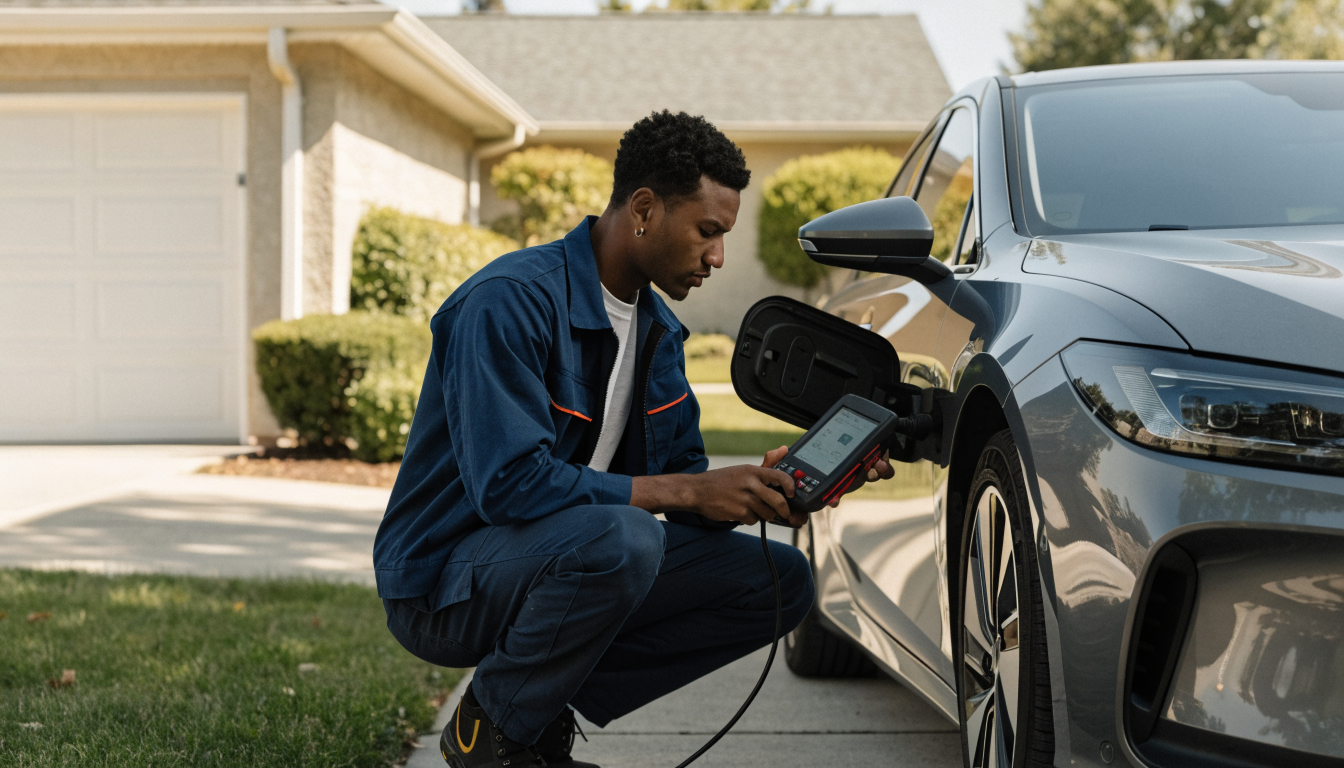
- Get an independent diagnosis before assuming the worst. A dashboard range drop, or a service warning, does not always mean the whole pack has failed. An EV specialist can run a state-of-health test. This tells you whether the fault is a single module, or genuine pack-wide wear. The price difference between the two is enormous. Simple daily habits also slow the decline; see how to look after an EV battery for the four that matter most.
- Ask for a module-level quote first. If only one section of the pack is faulty, replacing just that module can cost a third of a full pack swap. Independent specialists do this routinely, while main dealers are more likely to quote a full pack replacement by default.
- Compare a Tesla service centre quote against an independent specialist. Both can do the work, but only one is obliged to fit a brand-new pack, and a specialist quote for the same fault is often 20 to 40% lower.
- Weigh a refurbished pack against a new one. A reconditioned pack is built from tested, matched modules. It usually comes with its own shorter warranty and a lower price, often close to half of a new pack's cost. This is a reasonable choice once your car is outside its original warranty anyway.
- Check what your insurer will do before you commit to a repair. If a new-pack quote comes close to the car's market value, most UK and US insurers write it off rather than pay for the repair. That changes your options completely.
Typical replacement cost by model
| Model | Full new pack (US) | Full new pack (UK) | Cheapest realistic route |
|---|---|---|---|
| Model 3, standard range (LFP) | $12,000-$14,000 | £7,000-£9,000 | Module repair, from ~$3,000 / ~£2,000 |
| Model 3, Long Range/Performance | $13,500-$16,000 | £8,000-£12,000 | Refurbished pack, ~40% less |
| Model Y | $11,000-$17,000 | £10,000-£14,000 | Refurbished pack or module repair |
| Model S / Model X | $20,000-$22,000 | £15,000-£20,000 | Module repair where possible |
| Audi e-tron (for comparison) | Often $37,000-$80,000+ | Not commonly quoted | Rare; usually an insurer write-off |
Prices vary this widely because "battery replacement" is not one repair. Treat any single quoted figure with suspicion until you know which of the three jobs above it describes.
The real trade-off, worked through with real numbers
Take a genuine UK example, drawn from independent EV specialist pricing for a Model 3 Long Range. A full pack at a Tesla service centre costs roughly £6,500 to £8,000 for the pack alone; add £1,500 to £3,000 labour, and that is a total of £8,000 to £11,000 fitted.
Now take the same underlying fault to an independent specialist instead, as a module-level repair: that typically costs £2,000 to £4,000, a saving of roughly £4,000 to £9,000, simply from finding out which repair the fault actually needs before agreeing to the bigger one.
This is also why insurers write off older EVs so readily. Once a full-pack quote gets anywhere near the car's market value, repairing it stops making financial sense for the insurer. That is exactly why a module-level diagnosis first, rather than accepting the first full-pack quote, is the single most valuable thing you can do before a claim gets settled.
When replacement is not actually the answer
Most of the range loss owners worry about is normal, gradual ageing, typically running at 2 to 3% a year, and it is not a fault that needs a replacement quote at all. If your only symptom is a dashboard range figure creeping down slowly over a couple of years, that is expected wear, and chasing a replacement quote would be the wrong move entirely.
A sudden capacity drop is different, and so is a battery management system fault code, or physical damage from a road impact — these genuinely warrant a specialist diagnosis, rather than a wait-and-see approach. The same logic applies to other EV brands, too: check the actual cause before assuming a full pack is needed. Their exact costs and warranty terms differ from Tesla's, and are worth checking separately.
What to do next
If your Tesla is still under its eight-year warranty, the numbers in this article are background, not a bill you are likely to see. Get any range concern checked by Tesla rather than assuming the worst, since most warning triggers are covered.
If you are shopping for a used Tesla, ask for the build date and current battery state of health before you view the car, not after. And while you are checking the parts that quietly cost money over time, it is worth reading how winter driving affects your measured range, and why EV tyres wear faster than you'd expect. Both change your running costs more than most owners realise.
Sources
- Tesla — Model 3 New Vehicle Limited Warranty (Battery and Drive Unit coverage)
- Recurrent — Tesla Battery Replacement Costs Compared: Model 3, Y, X, S
- KMC Electric — Cost of Tesla Battery Replacement: 2026 UK Pricing Guide
- Kelley Blue Book — 2021 Audi e-tron Battery Replacement Prices & Cost Estimates
- RepairPal — Audi e-tron Quattro High-Voltage Battery Replacement Cost Estimator
Common questions
How much does an electric car battery replacement cost?
It depends heavily on the car and the size of the fault. A single-module repair can cost a few thousand pounds or dollars. A full pack replacement on a large SUV runs into the tens of thousands. Tesla packs typically cost $12,000 to $22,000 in the US, or £8,000 to £20,000 in the UK, once outside the eight-year warranty.
How much does a Tesla battery replacement cost in the UK?
UK prices for a full pack range from roughly £7,000 for a standard-range Model 3 to £20,000 for an older Model S or Model X. That is based on independent EV specialist pricing. Module-level repairs, where only a faulty section is replaced, are usually far cheaper. Expect £2,000 to £4,000.
Is a module-level repair as reliable as a full battery replacement?
Yes, when the fault genuinely sits in one module. Independent specialists test each module on its own. They replace only the faulty ones. This fixes the same problem as a full pack swap, for a fraction of the price, provided the rest of the pack tests healthy afterwards.
How much does an Audi e-tron battery replacement cost?
Audi e-tron high-voltage battery replacements are among the most expensive on the market. Independent estimators and owner-reported quotes range from around $37,000 to over $80,000. The exact price depends on the shop and the pack's condition, which is why most damaged packs are repaired at module level wherever possible.
Will my Tesla's battery replacement be covered by warranty?
If your car is inside its eight-year, 100,000-to-150,000-mile battery warranty, and the pack has degraded below 70% of its original capacity, Tesla repairs or replaces it free of charge. Outside those limits, you are responsible for the cost yourself.
About the author
ElectraMile EditorialEditorial desk
The ElectraMile editorial team covers charging, running costs and EV ownership for readers in the UK and US.
Spotted something wrong? Tell us — we correct and date every change.
Figures shown for United Kingdom in GBP. Switch market in the header to see local pricing and terminology.